

Tokyo, Mt Fuji & Hakone, Kyoto, Nara, Seoul Enjoy Mesmerising Japan with Seoul | 9 Days Itinerary
8 Nights 9 Days

South Korea is like no other, brimming with rich cultural experiences, exquisite food, and plenty of affordable shopping options. Whether trying on a traditional Hanbok dress or taking a culinary class to learn kimchi making, you will never run out of activities to experience in this country. You can try all this with our exclusive South Korea tour packages.
If you’re planning your first trip to ‘The Land of Morning Calm’, it can be overwhelming to jot down all the places and adventures to dip your toes into. Fret not, for we have gathered all the necessary information that you will require to plan the perfect holiday through our South Korea tour packages.
When the Japanese left Korea after 2nd World War in 1945, the country was divided by an internal border based on a circle of latitude (38th°N). In 1950, the Korean People’s Army invaded its southern counterpart with help from the Soviet Union. However, the attempt was thwarted, leading to a three year Korean War. At the end of the war, an armistice declared that Korea would remain a divided country, viz.; South Korea and North Korea. Tensions between the two countries have remained ever since, with South Korea alternating between democracy and dictatorship and now gradually moving to liberal democracy today.
Over the decades, the country has experienced many cultural, economic, and educational developments. Over the decades, South Korea transformed from one of the poorest countries in Asia to one of the wealthiest countries in the world. It is now considered one of Asia’s ‘Four Tigers’, with the others being Taiwan, Singapore, and Hong Kong.

Our South Korean tour packages are immensely popular among families with teenage children thanks to the influence of K-drama and K-pop. In 2020, Netflix India saw a 370% growth in the Indian viewership of K-dramas. Due to these K-dramas, a world of Korean pop culture made its way to India through Korean food, Korean singers, and popular touristy locations in South Korea.
Similarly, Korean beauty products have a huge fan following in India. The Korean glass skin trend is immensely popular with teenage girls who often visit the country to buy makeup products for cheap.
But the two countries are historically connected thanks to Korea’s beloved queen, Heo Hwang-ok, who is believed to have arrived from a distant land called Ayuta, probably referring to Ayodhya or the Ay Kingdom from ancient Tamil Nadu. Over six million Koreans, especially those belonging to the Gimhae Kim, Gimhae Heo, and Incheon Yi clans, trace their lineage to the Queen. Also, Tamil and Korean are more similar than you know, with over a thousand words that are exactly similar, including Amma (Omma), Appa (Appa), and pul or grass (pul).
| South Korea Tour Packages | Duration | Highlights |
| Explore Delightful Seoul | 3 Nights 4 Days | The National Folk Museum of Korea, Everland Theme Park, Gyeongbokgung Palace. |
| Exploring Dynamic South Korea | 4 Nights 5 Days | Jogyesa Temple, Nami Island, Gyeongbokgung Palace. |
| Vibrant Hong Kong and Jeju Island | 5 Nights 6 Days | Victoria Peak, Jeju Island, Hyeopjae Beach. |
| Explore Highlights of South Korea | 6 Nights 7 Days | Gyeongbokgung Palace, Jeju Island, Hyeopjae Beach. |
| Exploring Lovely South Korea | 5 Nights 6 Days | Gyeongbokgung Palace, Jeju Island, Nami Island. |
| Enjoy Mesmerising Japan with Seoul | 8 Nights 9 Days | Imperial Palace East Gardens, Mount Fuji, Kitano Tenmangu Shrine, Gyeongbokgung Palace. |
| Exploring Beautiful Seoul | 3 Nights 4 Days | Gyeongbokgung Palace, Petite France, Nami Island. |
| Category | Details |
| Famous Tourist Attractions | Jeju Island, Everland Theme Park, Gyeongbokgung Palace, Nami Island, Petite France. |
| Things To Do | Parasailing, sky diving, bungee jumping, rock climbing. |
| Famous Food | Kimchi, bibimbap, bulgogi, jjajangmyeon. |
| Places To Visit | Seoul, Busan, Jeju Island. |
| Souvenirs To Buy | Korean skincare and makeup, Korean ginseng, dried seaweed, stationery, Korean paper. |
Looking for a reason to book our all-inclusive South Korea tour packages? From its captivating culture and futuristic architecture to its scrumptious cuisine, there are myriad reasons to book a trip to South Korea right away.
You can witness South Korea’s culture and history through its multiple fortresses, palaces, and temples. While you may have heard or read about its history, experiencing the places in person and connecting to historical events is an entirely different experience.
South Korea’s vibrant culture is a vital reason to visit the country with our fantastic South Korea tour packages. Koreans highly value harmony and emphasise respect for elders. These principles have made South Korea a harmonious and peaceful place with comparatively lower crime rates than countries with similar economic statuses.
Koreans are incredibly proud of their food and cuisine. Due to the country’s climate and natural isolation, South Koreans have unique food preparation techniques.
Korean food includes soups, stews, meat dishes, noodle preparations, seafood, and side dishes called banchan. The cuisine is characterised by a balanced mix of vegetarian and animal products and plenty of fermented food. As you travel across the country, your tastebuds will have a gala time sampling the numerous flavours of Korean cuisine.
South Korea has four distinct seasons throughout the year, making it an exciting place to visit and live. No matter which time of the year you choose to travel to the country, you will experience a distinct flavour in terms of weather.
As the cherry blossoms in the spring give way to orange and red colours in the fall, winter transforms South Korea into a wonderland blanketed with snow. Each season has unique festivals, events, and food that travellers can relish.
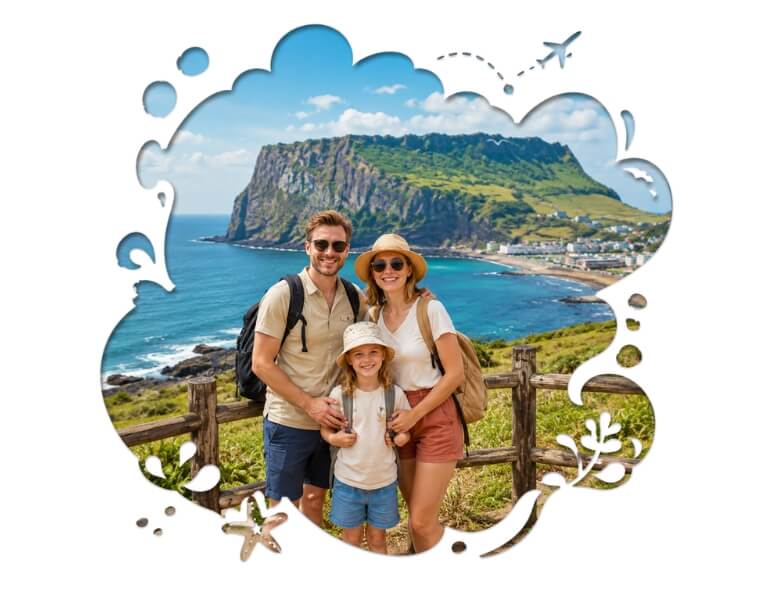
From the quiet countryside to mountain ranges and beaches, the landscapes to admire in South Korea are endless. There are certain untouched rural regions that provide a deep and fascinating insight into the traditional lifestyle followed by Koreans. The hidden temples and lush rice terraces you discover in the country are sure to leave you spellbound.
Since South Korea is a peninsula, the beaches and coastal regions are some of the most coveted destinations for tourists worldwide. Jeju Island, for example, is among Korea’s most visited places. The national parks and countless mountains allow for adventurous hiking trips.
The dalgona coffee craze that swept the world during the COVID lockdown originated in South Korea. South Korea has a young but original coffee culture with theme cafes centred on concepts like animals, books, puzzles, art, board games, etc. For instance, you can hang out with cats while sipping coffee in a cat café, read comic books in a comic book café, or compete with fellow gamers in a gaming café.
These coffee shops are usually found in tourist areas and near universities, where students and exchange students visit often. Spend your evenings in South Korea exploring its stylish rooftop bars and themed cafes.
South Korea beautifully blends traditional hanok architecture with modern buildings. Cities like Seoul and Busan are famous for their tall and contemporary buildings that draw inspiration from traditional Korean design ideas focusing on simplicity and promoting inner harmony. Conventional Korean homes or hanoks are distinguished by their gently sloping roofs and a harmonious relationship between architecture and nature. Most South Korean tour packages include a hanok stay in their itinerary. The experience often consists of a tea ceremony, cooking class, learning to wear a hanbok, etc. Make sure you stay in a hanok or at least visit one during your stay.
When you visit South Korea, remember to set aside a few days exclusively for shopping. While there are traditional souvenirs like hanboks, ginseng, Korean masks, etc., that you can buy for friends and family, the country is famous for its smart electronic gadgets, cosmetic products, face sheet masks, and ramyeon. Some things you must buy in Korea include cookware, cutlery (especially Korean wooden spoons), clothes, and cool socks. You can also purchase prescription glasses for as little as INR 3,000, including the price of an eye checkup.
Koreans have high beauty standards and dedicate much time, energy, and money to beauty rituals and skincare routines. If you’d like a flawless skin like them, we suggest shopping for Korean makeup and skincare products. They’re cheap and fantastically innovative.
South Korean weather is diverse, with four main seasons. While it is a great all year round destination, some months of the year are especially worth visiting.
Spring and autumn are the busiest tourist seasons in South Korea, making them expensive periods to explore the country as compared to winter and summer. Here’s an overview of what each season brings about so you can decide the best time to choose our South Korea tour packages.
Between April and June, spring engulfs South Korea, covering the country in a delightfully pink hue owing to the abundance of cherry blossom trees. The weather remains pleasant and doesn’t fluctuate much, making it a popular time for tourists to explore the country. The minimum temperature is 11 degrees Celsius, and the maximum is 27 degrees Celsius.
If you are travelling to the country around this time, expect sunny days and clear skies. Since this is peak tourist season, ensure you have pre-booked major tourist attractions. 25°C is still cold for South Indians, so wear warm clothes. The Jinhae Gunhangje Cherry Blossom Festival is one of the most spectacular festivals to witness in South Korea during springtime.
South Korea remains warm during summer, with frequent rains between July and August. Temperatures range from 22 degrees Celsius to 31 degrees Celsius. Due to the periodic showers, it is humid and hot, and not a popular time for tourists. Accommodation and airfares are usually cheaper during the summer months. Bring hats, raincoats, and sunscreen if you travel to South Korea during this season.
As the rains fade, South Koreans get ready to welcome autumn. Maple blossoms are visible throughout the country, with red and orange shades dominating the landscape. The temperature oscillates between zero degrees Celsius and 11 degrees Celsius.
Visit Seoul International Fireworks Festival is a popular tourist attraction during this season. Autumn is a busy tourist season in South Korea, so we advise travellers to book beforehand if they plan to travel to the country during these months.
The winter season brings about chilly weather in South Korea, with the minimum temperature at -7 degrees Celsius and the maximum temperature at 3 degrees Celsius. There are fewer people on the streets during this time of the year if you like the thought of walking around in the snow and enjoying a cup of hot chocolate in the cosiness of your hotel room or are looking to enjoy winter activities like strawberry picking, ice-skating, and ice-fishing, look for South Korea tour packages around this time.
Remember to pack plenty of warm clothes if you’re planning your holiday during winter. Carry snowboarding and skiing gear as well. Since this isn’t the most popular tourist season, lodgings and flights are comparatively cheaper.
South Korea offers a potpourri of activities and experiences for solo travellers and families. With our South Korea tour packages, you can explore the popular and hidden gems of this beloved holiday destination while also partaking in outdoor activities that give you an adrenaline rush.

Jeju Island is the largest island in South Korea. Spread over an area of 1,849 square km, it is a volcanic island and the main island of the Jeju Province. The island was supposedly formed around two million years ago due to volcanic eruptions.
Some of the things you can do on Jeju Island include enjoying the scenic view, visiting the many beaches, going for a full day trek up the Hallasan mountain, visiting Yakcheonsa Temple, visiting the Jeongbang Waterfall, the only waterfall in Asia that directly falls into the ocean, and relishing some spicy seafood stew. Some water activities you can enjoy in Jeju include snorkelling, surfing, and swimming.
Visit Everland Theme Park, the largest theme park in South Korea. Situated in Yongin’s Everland Resort, it receives millions of visitors each year. Besides the many attractions, the park is home to a zoo and a water park your kids will love.
When it was inaugurated in 1976, the park was named Yongin Farmland. It derived its present name in 1996. Before heading to the park, check out the timings of the seasonal festivals and daily fireworks show.
Yi Seong-gye built the Gyeongbokgung Palace to serve as the official palace of the Joseon dynasty. Situated in northern Seoul, it is the biggest of the Five Grand Palaces that came into existence as a result of the Joseon dynasty, with the palace also serving as the seat of the government.
The palace was declared cultural property in January 1963. Its restoration started in the 1990s after much of it was destroyed during Japan’s occupation of Korea. The National Folk Museum and the National Palace Museum are located within the palace complex, which covers an area of 415,800 square metres.
Nami Island, also known as Namiseom, is a half moon shaped river island in the Gangwon Province. Filled with vibrantly coloured flowers and lush greenery, it is a must-visit spot for both adventure lovers and nature enthusiasts. Due to its spellbinding scenery, the island has been the location for several K-dramas.
The island derived its name from General Nami, who was falsely accused of treason during King Sejo’s rule and died at 28.
Petite France, as the name suggests, is a French cultural village in the Gyeonggi Province. Beloved among K-drama fans for serving as a backdrop on multiple occasions, it is undoubtedly one of the most Instagrammable locations in the country.
Lovers of the book The Little Prince will find tributes to the novel in several corners of this village. Apart from shops and French houses, this destination also has mime shows, puppet shows, and music box demonstrations.
The National Folk Museum of Korea is housed in the Gyeongbokgung Palace. Visited by over two million people every year, the museum represents the culture and daily lives of Korean people. It contains replicas of objects that are part of a traditional Korean household.
The Jogyesa Temple became the chief temple of the Jogye Order of Korean Buddhism in 1936. The temple’s establishment in 1395, at the beginning of the Joseon Dynasty, was crucial to Korean Buddhism. The modern temple was built in 1910.
South Korea is a dream destination for budget shoppers, especially if you are looking for makeup and skincare products.
There are plenty of other items you can pick up for friends and family members. Here are a few things you can check out at the shopping malls and streetside stalls in South Korea and the best shopping destinations to grab souvenirs from:
Korean pop culture, or K-pop, has made Korean beauty brands famous worldwide. Some things you can buy for cheap include face sheet masks, hand lotions, BB creams, and cleansing products. You can purchase an entire world of beauty products during your trip.
Pro-Tip: Make sure you keep Google Translate handy to understand the usage instructions and ingredient list. Also, make sure you don’t fall for the innovative packaging as the product could be mediocre – test every product for efficacy before buying.
You can always take a piece of the country’s culture by buying a hanbok, the traditional clothing of Koreans. Cool and crazy socks and stockings are also trendy. Available in high quality and affordable prices, you can find a wide variety of socks with pop culture elements designed on them.
We’re sure you’ll be tempted to buy cute, affordable stationery items. Korean stationery products, such as pencil cases, notebooks, and planners, are colourful, eye-catching, and adorned with popular characters.
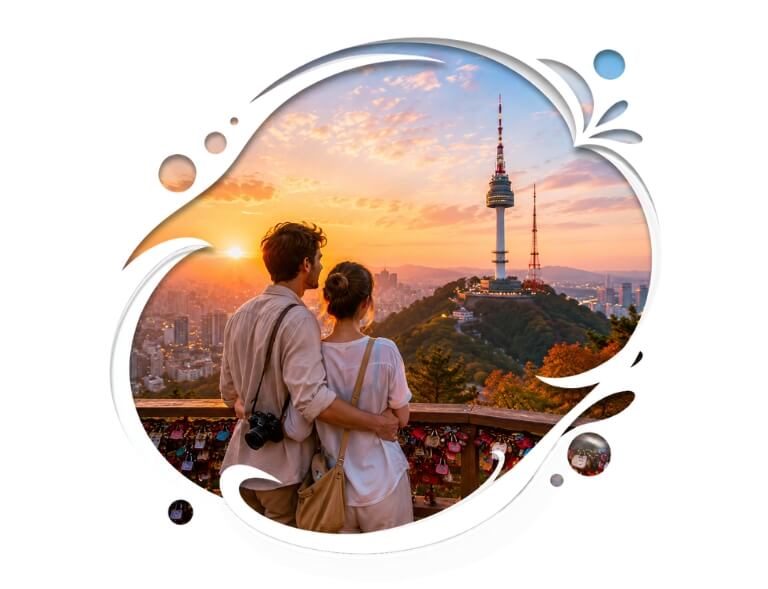
Families with teenage girls are often our primary clientele, thanks to the popularity of K-pop and K-drama. You will find images of your favourite K-drama actors and K-pop artists plastered on posters, t-shirts, and even paintings.
Hanji is traditional Korean handmade paper made from the bark of mulberry trees. In the past, it was used to cover windows and doors to keep the interiors warm. Today, it is used to make clothes, stationery, lamps, and paper dolls.
Traditional Korean masks are used during rituals and ceremonies. Historically, they have been a part of the royal court and an element in one’s battle uniform. Tourists often buy these masks as they are known to bring good luck. Usually made of alder wood, these masks are waterproof.
While tea is not as popular in South Korea as it is in Japan and China, it is still a popular souvenir. Fruit teas such as sweet plum tea, for instance, are widely consumed not only because of their taste but also because of their health benefits.
Dried seaweed, also known as Gim or Kim in Korean, is made into thin paper like layers. It is then sold to be eaten with rice, while some also eat it on its own. Packed with vitamins and calcium, dried seaweed can be bought at convenience stores and traditional markets.
Korean ginseng is popular for its multiple health benefits. Due to its unique geography and climate, Korea is known to grow the highest-quality ginseng. Travellers purchase Korean ginseng because it reduces stress, boosts stamina, deals with high blood pressure, and increases concentration.
Gochujang is a fermented red pepper paste commonly used in Korean cuisine to make sauces, marinades, stews, and soups. The paste and its prime ingredient, gochugaru, are very popular in India.
Since Indian food is often a burst of flavours, it makes sense why Indians love to use gochujang in their food, which is why you can bring plenty of it from South Korea during your trip. This element can be used in vegetarian and non-vegetarian dishes with a mix of spicy, sweet, earthy, and salty flavours.
Food is an integral part of South Korean culture. Did you know that there are over 100 different types of kimchi? This alone should give you an idea of how seriously the Koreans take their food, which you will witness during your trip with our South Korea tour packages.
Almost every social gathering in the country is centred on food. Much like several other Asian countries, South Koreans love to share their food. South Korean food is lip-smacking and hygienic, whether at a street stall or a fancy restaurant.
Some of the things you must try on a South Korea tour include:
Kimchi is one of the oldest dishes in Korea and has been around for over 2,000 years, connecting itself to the Silla dynasty. This sour and spicy dish is made using fermented vegetables. While kimchi can be made using a wide variety of vegetables, it is traditionally made using napa cabbage.
Other ingredients in Kimchi include onion, ginger, pumpkin, radish, scallion, crushed garlic, and chilli powder. It is often eaten on its own, consumed with rice, or added to rice cakes, soups, and porridge.
Another popular dish to try during your vacation is bibimbap, which is both nutritious and filling. Vegetarian and non-vegetarian versions of bibimpap are available easily in street markets, food courts, and restaurants, and the ingredients vary depending on the region.
The dish is essentially a bowl full of eclectic ingredients, usually containing warm rice, mixed vegetables, raw egg, chicken or beef, soy sauce, and a seasoning of chilli pepper paste.
Tteokbokki is an iconic Korean street food served in almost every corner of the country. These red-orange rice cakes are made using rice cakes, fish cakes, diced garlic, onions, and scallions mixed in a spicy and sweet sauce made with chilli paste.
This is a savoury and juicy beef dish made using thin slices of grilled and marinated beef cooked with green peppers, onions, and garlic over a charcoal burner, lending it a unique smoky taste. Bulgogi is usually served alongside leafy vegetables such as spinach, lettuce, kimchi, and ssamjang (a thick red spicy paste).
Sundubu-jjigae is a spicy soft tofu stew served in a large stone bowl. In addition to tofu, the stew includes mushrooms, vegetables, seafood, pork or beef, and chilli paste or gochujang. All of this is usually topped with a raw egg. Ingredients are modified or removed based on the region and chef.
While jjajangmyeon is originally a Chinese dish, the Korean version is thicker and sweeter. This Korean Chinese noodle dish consists of a thick sauce created using vegetables, diced pork, and chunjang (black bean paste).
Samgyetang is a comforting chicken ginseng soup that will soothe your soul. The soup is very healthy and loved for its meaty and creamy flavour. A bowl of samgyetang includes Korean jujube, scallion, rice, Korean ginseng, garlic, chicken, spices, and chestnuts.
South Koreans love naengmyeon during summer. These cold buckwheat noodles are both lightweight and filling. Besides noodles, a bowl of naengmyeon consists of Korean pear, cucumbers, beef, and boiled eggs. The concoction often adds vinegar and mustard to enhance its sour flavour.
While the original KFC is fried once in a high-pressure fryer, Korean fried chicken is fried twice, giving it crispier skin and juicy flesh. The meat is also coated with a sweet and spicy sauce.
Certain restaurants add green pepper to the mixture to make the dish spicier. Korean fried chicken is a popular snack with beer and soju, Korea’s favourite alcohol.
We can also include a food tour in your South Korea tour package itinerary to help you appreciate the country’s food culture.
The Japanese and Chinese cultures have significantly influenced Korean culture. This can be seen through Confucianism, an ancient Chinese belief system that stresses the importance of morality and ethics. These values are still prevalent in Korean society, whether showing respect to family members and elderly individuals or following an ethical code of conduct in one’s social life. Koreans highly value loyalty and sincerity. Whenever Koreans meet, they bow as a sign of respect and gratitude to the other person.
Family is one of the most significant aspects of a Korean’s life. Patriarchal ideologies are still followed, and gender roles remain traditional, with the father being considered the head of the family. A hierarchical structure is observed, and parents expect their children to respect and obey it. Most kids live with their parents well into adulthood as it is considered their duty to look after their family.
Korean festivals and celebrations are mostly connected to family or harvest. Numerous festivals are celebrated throughout the year with utmost pomp and glory. Since agriculture is imperative in Korean culture, most events focus on praying for a good harvest.
South Koreans primarily practice Buddhism, Christianity, and Confucianism. Buddhism has significantly impacted Korean art, culture, and lifestyle. Yungdrung Bon is the primary symbol of Korean Buddhism and is visible in all religious institutions in Korea.
Korea’s pop culture has made a mark in the modern world due to the popularity of K-dramas and K-pop. The stage manners, singing skills, and smooth dance moves of K-pop artists make them stand out in music and entertainment. Gugak is the term for Korea’s traditional music, and the history of Korean music is as rich and deep as the country’s history. Music as a subject began to be studied seriously during the rule of King Sejong of the Joseon dynasty in the early 15th century.


Share your travel dates and preferences. Our experts will create a personalised holiday for you.
☎ +91 83675 01501
✉ travelguru@gmail.com