

Thanks to its natural beauty, cultural heritage, delicious cuisine, and affordability, Slovakia is considered a hidden gem in Europe. Nestled in Central Europe, the country is famed for its unique architecture and quaint cities. While the castles of Slovakia will mesmerise you, the national parks will appease your nature loving heart. Our Slovakia tour packages let you explore this country’s art, architecture, and culture.
Thanks to its natural beauty, cultural heritage, delicious cuisine, and affordability, Slovakia is considered a hidden gem in Europe. Nestled in Central Europe, the country is famed for its unique architecture and quaint cities. While the castles of Slovakia will mesmerise you, the national parks will appease your nature loving heart. Our Slovakia tour packages let you explore this country’s art, architecture, and culture.
Slovakia was under Hungarian rule from the 11th century onwards. After World War I, when Hungary lost the war, it had to cede Slovakia and nearby territories to form the Czechoslovakian Federation. Later, Slovakia split from the federation in 1993 after a nonviolent protest called Velvet Divorce.
It is a landlocked country in Central Europe that shares borders with Ukraine in the east, Austria in the west, Poland in the north, Hungary in the south, and the Czech Republic in the northwest. Its strategic location ensures that the country enjoys influences from all its neighbouring countries.
If you plan to visit this Slavic region and are looking for Slovakia tour packages, here’s all you need to know.

| Slovakia Tour Packages | Duration | Highlights |
| Bratislava | 2 Nights 3 days | Bratislava Castle, wine tasting |
| Category | Details |
| Currency | Euro |
| Capital City | Bratislava |
| National Animal | Tatra Chamois |
| National Food | Bryndza Halusky |
| Languages | Slovak, Hungarian, English, German, Russian |
| Famous Tourist Attractions | High Tatras, Slovak Paradise National Park, Orava Castle, Danubiana Meulensteen Art Museum |
| Things To Do | Hiking, skiing, rafting, snowboarding |
| Famous Food | Bryndzové halušky, kapustnica, lokša, zemiakové placky, goulash |
| Places To Visit | Bratislava, Kosice, Bojnice |
| Souvenirs To Buy | Slovak wine, honey, slivovica (plum spirit), corn husk dolls, Tatratea (tea liqueur) |
There are so many reasons to visit Slovakia from the wide range of outdoor adventures to the majestic Tatra Mountains. Here are some reasons for you to book our Slovakia tour packages immediately:
National parks, forests, gardens, vineyards, mountains; you name it, and Slovakia has it. Every corner you turn to, this country is like a postcard. In fact, Slovakia is relatively untouched and unspoiled. The country is also famous for the High Tatras, the highest mountains in the Carpathians.
Slovakia is also a land of caves known to have over 6,000 of them, most of which haven’t been explored yet. There are also national parks, which the Slovaks are pretty proud of. You will access most of these parks through our Slovakia tour packages.
Wine and craft beer are a staple of Slovak cuisine. Wine is especially popular in the southern regions. If you travel to the Little Carpathians, you will come across several vineyards where you can sample the local wines while relishing the regional food.
Slovaks are very proud of their high-quality cheeses. When trying the different wines, pair them with goat cheese, sheep cheese, or any cheese you choose. Some of the popular Slovak cheeses you will not find anywhere else include Slovenska parenica, korbacik, ostiepok, and goat cheese. Of these, the parenica cheese is granted PGI status thanks to its original production techniques.
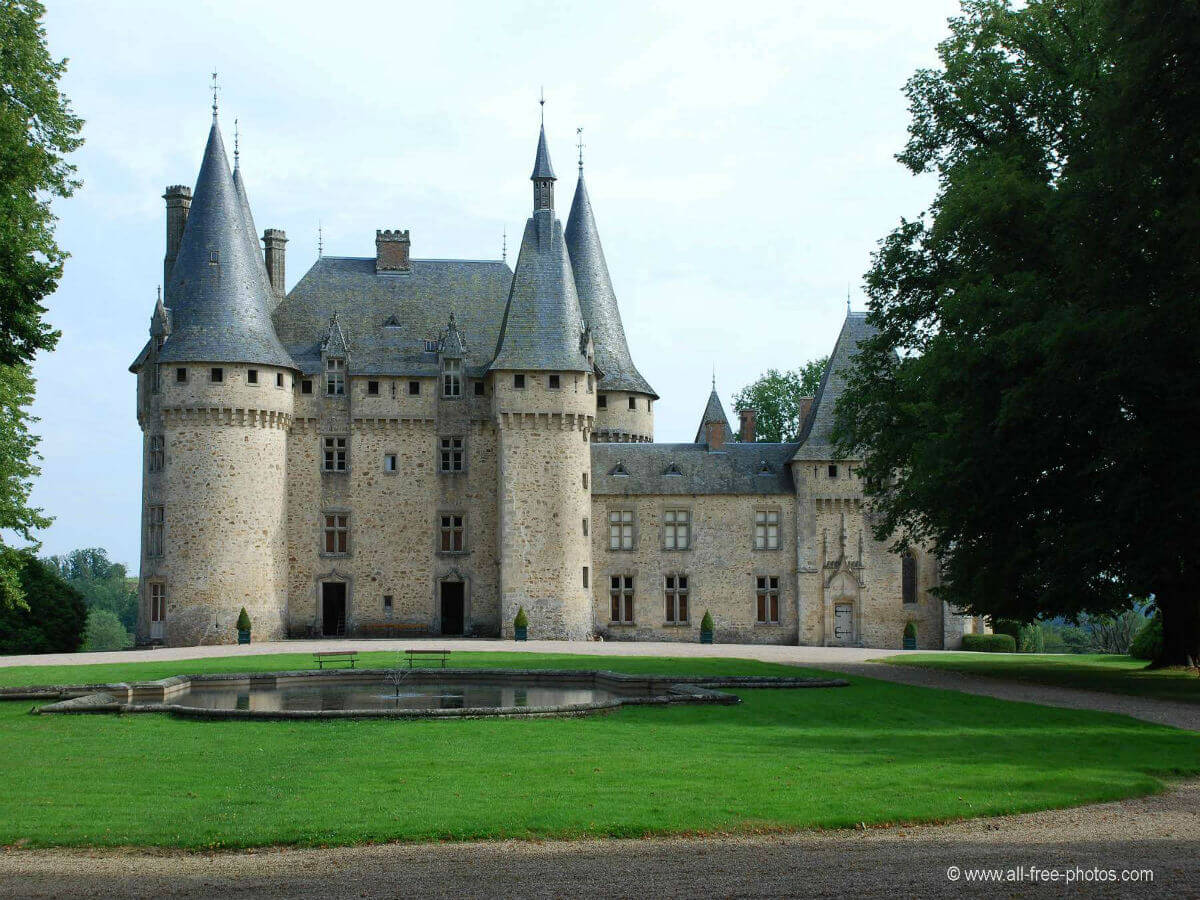
Slovakia is home to over 180 castles and 425 chateaus, the world’s highest number of castles and chateaus per capita. These mystical castles are part of our Slovakia tour packages, taking you back to an era gone by.

There is the Spis Castle, one of Europe’s largest castle complexes. You can also visit Orava Castle, which was reconstructed after the Second World War and built like an eagle’s nest. Don’t forget to visit the Bojnice Castle, a medieval castle designed in Romanesque style with Renaissance and Gothic elements. It has existed since the 12th century.
Slovakia’s food is unique, delicious, and affordable. The local food is influenced by the country’s neighbours, ensuring a great gastronomical experience. The cuisine features many meat dishes and a hearty portion of cheeses, potatoes, and rich sauces. Bryndzove halusky is the country’s national dish made using potatoes, flour, butter, and a popular cheese called bryndza. The latter has a strong flavour thanks to the natural microflora found in raw sheep’s milk.
Lunch is the main meal in Slovakia, consisting of soup and two more courses. The main course you will enjoy with our Slovakia tour packages includes pasta, a meat dish, or gooey mashed potatoes, followed by a dessert.
Slovakia offers various outdoor activities, from rafting and snowboarding to skiing and swimming in thermal pools. There are hiking trails for entry and expert-level hikers. The mountain slopes are also a perfect picnic destination.
Cycling tours along the Danube River are a popular tourist activity. You can enjoy the city’s pleasant weather and iconic landmarks. Remember to also check out the cycle route along the Váh River from Piestany.
Donovaly is the best place for paragliding. Make sure you go paragliding close to sunset to witness magic as the sky displays multiple hues of red, orange, purple, and pink.
Slovakia’s architecture is tied to its diverse and rich history. Apart from the Roman ruins, the country is home to churches and Gothic and Romanesque castles influenced by the Austro-Hungarian Empire. From 1918 until the Second World War, the country witnessed avant-garde modernist architectural style buildings. Later, buildings were influenced by communist influences, especially buildings in the country’s capital, Bratislava. Some of these include:
Slovakia is a year round destination, but peak season is generally May to September when temperatures range from 20°C to 25°C. However, they could go up to 35°C in Bratislava. If you are looking for affordable Slovakia tour packages, we suggest visiting the country between November and April.
Summer is perfect for outdoor activities, including hiking, as the temperatures in the mountainous areas are moderate, and there’s no rain. It’s also the time when flowers begin to blossom. September is ideal for alcohol-themed festivals.
Winter is peak ski season in the country, but other sights are closed. Some of the highest trails in the Tatras are closed from November to mid-June. If you are looking for affordable Slovakia tour packages, book them from December to February.
Summer is peak festival season in Slovakia. Pohoda, a famous open-air summer music festival, takes place around the second weekend in July in Trencin. Yet another festival to enjoy during the summer season is the Grape Festival. It has repeatedly been ranked among Europe’s top small-sized festivals. The multi-genre music festival has featured rock, pop, dance, techno, drum, hip-hop, bass, and alternative music.
Summer is also an excellent time for high-altitude hiking, where you can climb some of Slovakia’s highest peaks, including Rysy and Krivan. Enjoy kayaking, rafting and other watersports with our summer Slovakia tour packages.
This period is also ideal since most schools and colleges in India are closed for summer vacations.
The southern part of Slovakia experiences spring at the beginning of March; in the northern region, it arrives around April. It’s also the time for locals to enjoy the outdoors with plenty of festivals and traditions. In fact, May 1 is Spring and Labour Day, with people setting up Maypoles or trees decorated with colourful ribbons. It’s also the time for majales or open-air festivals. Slovaks often visit churches and chapels around spring to pray for a better harvest.
Easter is a huge deal in Slovakia, especially in the villages of western Slovakia. If you are travelling to the country around Easter, make sure Filakovo Castle is included in your Slovakia tour package itinerary to enjoy activities like folk dancing, handicrafts, and archery demonstrations.
Autumn is shoulder season but the perfect destination for hiking. If you’ve never experienced the fall season but are looking for a budget destination, we suggest visiting Slovakia.
Autumn is also the time for grape harvesting. We suggest booking Slovakia tour packages to experience vinobranie or grape harvest parties, especially in Pezinok, Raca, and Modra. Some of the things you can enjoy during this time include carnival rides, games, live music, sampling traditional street food and shopping for Slovak arts and crafts.
If you enjoy winter sports, there can be no better time than the winter season to visit Slovakia. The country is an up and coming ski destination with plenty of ski resorts in the Tatras. You’ll find slopes for all levels and talents.
The Christmas markets of Bratislava and Kosice have a different vibe altogether. If you’re in Bratislava around Christmas, make sure you visit the Yuletide markets around Main Square and Hviezdoslavovo Square. Besides mulled wine, you can buy handmade Christmas decorations, scented candles, knitted hats, wooden toys, and hand-decorated enamelware. And don’t miss ciganska, a Slovak hamburger.
Theatre connoisseurs can catch a show of The Nutcracker at the Slovak National Theater. If you’re looking to enjoy the Christmas vibe in Europe but on a budget, this is the best time to visit Slovakia.
Slovakia has plenty of activities for everyone, whether travelling alone, with your spouse, or with kids. From hiking and skiing to snowboarding and exploring castles, there’s much to enjoy and experience for budget-conscious Indian travellers. Here are some activities included in our Slovakia tour package itinerary.

The High Tatras are a mountain range located in the Prešov region in Slovakia and home to some of the highest peaks in the country. Gerlachovsky is the highest peak, standing tall at 2,655 metres. Various endemic and rare animals can be found in the High Tatras, along with unique plant species. These include the Tatra chamois and predators such as foxes, wolves, Eurasian lynx, and the Eurasian brown bear. As you witness the majestic nature of the mountain range, you can lay eyes on plants such as the Swiss pine, Norway spruce, European larch, and yellow mountain saxifrage.
The Orava Castle is one of the country’s most beautiful, largest and well-preserved castles, perched on a high rock above the Orava River. It is located in a village named Oravský Podzámok. While the most recent parts of the castle were built in the early 17th century, there are records of the castle being built around the 13th century. It was declared a national monument sometime after the Second World War. The castle was the backdrop for several movies, including the famous Nosferatu.
Visit one of Bratislava’s oldest churches, St. Martin’s Cathedral, which is also the largest church in the city. It served as the coronation spot for the Kingdom of Hungary from 1563 to 1830. This three-nave Gothic cathedral was built on a location that previously had a Romanesque church on its grounds. The church was rebuilt after 1291 when Bratislava became a town. Construction was finally completed in 1452, with the remaining work continuing well into the 16th century.
The Danubiana Meulensteen Art Museum was founded by Gerard H. Meulensteen, a Dutch entrepreneur and art collector. Named after the Danube River surrounding it, the museum opened in 2000. It has art displays belonging to Slovak, European, and international artists. The ground floor has a park sprawled over an area of 8,000 square metres, displaying sculptures.
In addition to attracting tourists worldwide, the museum receives politicians, royal figures, and cultural dignitaries yearly. The museum is located so that you can enjoy a spectacular view of the Danube River and the city of Bratislava.
The Slovak Paradise National Park is among the nine national parks in the country and the youngest. Located in East Slovakia, the park encompasses the Slovak Paradise mountain range and is spread over 197.63 square km. There are 8 nature reserves, 11 national nature reserves, 350 caves, and over 2000 species of butterflies. It has the highest concentration of butterflies in Slovakia. The Dobsinka Ice Cave is a UNESCO World Heritage Site and the only cave open.
This is an excellent place for hiking enthusiasts, with over 300 km of hiking trails, including biking trails. Some of the attractions in the park include trees like beech, spruce, fir, and pine, along with 6 endemic plants. Some animals you’ll find here include bears, wolves, wildcats, boars, martens, deers, and over 65 endangered species like the saker falcon, European otter, and the European ground squirrel.
Spiš Castle is one of Slovakia’s six largest castle sites. Located above the village of Žehra and Spišské Podhradie, it became a UNESCO World Heritage Site in 1993. The ground where it stands once hosted another castle, with the current castle established in the 12th century.
The castle originally had a Romanesque stone exterior. In the second half of the 13th century, a three-nave Romanesque-Gothic basilica and a two-storey Romanesque palace were built. The castle was completely rebuilt in the 15th century. In 1470, a Gothic chapel was integrated into the structure.
At Travel Guru Holidays, we understand the modern traveller like no other. We know that they’re looking for experiences beyond mere sightseeing. Our customised Slovakia tour packages are designed after carefully considering the client’s budget, interests, food preferences, health, and even activities they’d like to explore.
While Slovakia is known for its castles and mountains, our itineraries aim to help you explore the hidden and untouched gems of the country. In addition to focussing on major cities, we also help you discover the smaller towns and villages home to some of Slovakia’s most spectacular natural landscapes. For instance, if you’re a wine connoisseur, our tour representatives will ensure you visit the country’s wine producing regions for wine sampling.
Slovakia has an eclectic cuisine thanks to its borders with the Czech Republic, Austria, Hungary, Ukraine, and Poland. Its unique geography and intricate history have also influenced the country’s menu. Some of the dishes you will sample with our Slovakia tour packages include bryndzove halusky, fried cheese, goulash, sauerkraut soup, and potato dumplings.
Slovak meals are a lovely fusion of numerous flavours from ingredients such as garlic, potatoes, cabbage, onions, wheat, poultry, pork, sheep milk cheese, goat cheese, and more. The conglomeration of flavours in Slovakia is something every Indian traveller can relate.
Bryndzové halušky is the country’s national dish made using sheep cheese, Bryndza. It consists of cheese-filled dumplings topped with bacon, spring onions, fried onions, and sour cream. The mixture of onions and sour cream adds to the delightfully tangy flavour of this dish.
This dish is made using the beloved bryndz or sheep cheese. Pierogis are crescent shaped dumplings that contain sweet and savoury fillings. These dumplings can be fried, roasted, and boiled versions.
Bryndzové pyrohy refers to a salty variation of this dish. It contains sheep’s cheese, which forms the filling of these potato dumplings. The dumplings are topped with fried bacon, chives, and sour cream. You can consume this dish with a glass of žinčica, a drink made with sheep milk.
Goulash is a stew or soup made of vegetables and meat. Various varieties are available in Eastern and Central Europe, and Slovakia has a version of its own. The country prepares this soup using beef, potatoes, onions, tomatoes, garlic, peppers, and a mix of spices. This dish is particularly popular during sporting events held in the country. It’s made over an open fire in a cauldron.

Kapustnica is a Slovakian cabbage or sauerkraut soup. It is a calming and hearty winter dish that is especially popular during Christmas. The soup is also consumed as an appetiser before the main meal throughout the year. Finely cut raw cabbage is combined with sliced sausages, dried mushrooms, and onions. Some also add a spoonful of sour cream to the mix.
The soup contains a handful of spices and garlic, toasted bread, nutmeg, and chopped ham. When served warm, the soup tastes even more delicious with freshly baked bread. Given how popular the dish is, different versions are available in various parts of Slovakia.
Lokša or lokše is a traditional Slovak snack consumed during Christmas and Lent. These crispy, thin potato pancakes are made using potatoes and flour and are available in both salty and sweet versions. The soft potato dough is rolled into a circular shape and then dry-baked until golden and crispy.
The sweet version of these pancakes contains marmalade, butter, poppy seeds, and powdered sugar. The salty version is often served with meat or cabbage. Goose and duck meat are commonly found in Slovakia in autumn and winter. During these seasons, eateries in the country often have a duck or goose dish on the menu that is served with lokša and red cabbage.
Zemiakové placky is a different potato pancake commonly found across the country. While they are often served with soup or as a side dish, they are usually given to schoolchildren as an afternoon snack.
In order to make these pancakes, grated potatoes, eggs, and flour are cooked with garlic. While the exterior remains crispy, the interior is deliciously gooey. Zemiakové placky is usually eaten with sour cream, kefir (fermented milk drink), or soured milk.
As you go on daily sightseeing tours with our Slovakia tour packages and relish scrumptious meals, you will mostly be in the mood to treat yourself to something sweet. This is when you can go for Slovenske palacinky, which are crepe like pancakes.
These warm, thin crepes melt in your mouth when layered with apricot jam. They are also served with cinnamon, powdered sugar, hazelnut spread, and strawberry jam. The sweet variant of these pancakes is filled with Nutella, chocolate, or fruits. There is also a savoury version stuffed with ham and cheese.
Before you leave for your vacation, we suggest keeping ample space in your luggage because you will return with a delightful mix of souvenirs. From delicious snacks and drinks to traditional handicrafts, here are some of the must-buy things in Slovakia to watch out for:
Southern Slovakia is the country’s wine producing region, which is further divided into six unique wine growing areas: Malokarpatská, Južnoslovenská, Tokajská, Nitrianska, Stredoslovenská, and Východoslovenská.
Whether you like red, white, or rosé, Slovakia has several varieties of wine. If you like red wine, go for the Frankovka Modra. Try the Rulandske Biele if you prefer white wine, and get the Alibernet rosé if rosé is your preferred kind of wine. The Grand Cru Wine Gallery in the Old Town of Bratislava is perfect for trying different wines.
Carved and tall wooden crosses can be found along the roadsides and in front of churches and other religious institutions in Slovakia. Decorated with traditional folk patterns and vibrantly coloured paints, these crosses signify various Biblical values and stories. While you probably don’t want to bring home a five-foot-tall cross, you can request the craftsmen to produce smaller versions to buy as souvenirs for friends and family.
Due to its high quality and supreme taste, Slovak honey is a beloved souvenir among tourists. A creamy variety of honey is also made using crystallised honey. Slovak mead or honey wine, made using forest honey, is equally popular. Both sweet and dry varieties of honey wine are often served after dinner in Slovakia. Remember to also look for honey covered nuts and other flavoured honey during your trip.
Slivovica is a potent double distilled plum brandy with an alcohol content ranging from 40% to 50% and aged for 2 to 10 years in an oak barrel. The drink is integral to Slovak culture and is used at all important events, including marriage, baptism, and even death. There are various flavours of this liquor, including apricot, raspberry, and blueberry.
Valaška is an ornamental shepherd’s axe. However, instead of cutting down trees, it is used for many ceremonies in Slovakia. It often appears in traditional folk dances and is also used as a walking cane. Skilled craftsmen are known to use this ornate shepherd’s axe. The detailed design on the axe makes it a perfect souvenir.
Bryndza is a white, creamy, and crumbly sheep cheese used in Slovak cuisine. This is a unique souvenir you might want to bring back home. Carrying it in an aircraft can be tricky, but you can buy some while enjoying your trip and enjoy it while on tour. The EU granted bryndza protected status, and it is the main component of Slovakia’s national dish, bryndzove halusky. Did you know the bryndza made in summer is a different product than the one made in winter? The summer variety is considered better as the sheep graze on high-nutrient grass and spring flowers.
Originally created around the 1950s, corn husk dolls are made using dried corn husks. They are popular souvenirs, especially for children. The dolls often don traditional folk attire and represent numerous aspects of Slovakia’s rural life. You can grab these dolls from any store in the country.
Tatratea is a tea liqueur available in six distinct flavours with varying alcohol content levels. Locals often consume it when they go hiking or skiing.
Horalky is one of those sweet Slovak treats you will want to take back home in plenty. These wafer biscuits have a peanut filling and a cocoa coating. They are often called mountain cakes since Slovaks carry them during mountain trips. There are various varieties available, including peanut, hazelnut, chocolate, milk, and coconut. The peanut flavour, however, is the most popular.
Traditional folk embroidered clothes available in bright colours and folk patterns are some of the best Slovak souvenirs you can buy for friends and family. You can buy dresses, tank tops, and T-shirts from stores across the country. We suggest you pay attention to the material so that you don’t compromise on quality.
Visual art is present in many forms in Slovakia, and you can experience its richness as you go sightseeing with our Slovakia tour packages. It’s visible through paintings, sculptures, photographs, illustrations, drawings, printmaking, conceptual art, and arts and crafts.
The Slovak National Gallery, established in 1948, has the country’s most enormous network of galleries. Bratislava has two displays, at the Water Barracks and Esterházy Palace, situated adjacent to each other.
Another art gallery to watch out for is the Bratislava City Gallery. Founded in 1961, it is known to be the second biggest of its kind in Slovakia. The gallery contains more than 35,000 pieces of art from Slovakia and international locations. Its permanent displays are present at Mirbach Palace and Pálffy Palace in the Old Town of Bratislava.
Walk on the grounds of one of Europe’s youngest art museums, known as the Danubiana Meulensteen Art Museum. Art lovers can also check out the Ernest Zmeták Art Gallery, East Slovak Gallery, and Andy Warhol Museum of Modern Art.
Slovakia’s folk tradition is evident in its dance, music, literature, and architecture. In fact, Slovakia’s national anthem is based on a folk song. The Východná Folklore Festival, held annually in the village of Východná, celebrates Slovak folklore culture. International participants also attend this event, the biggest and oldest festival held in the country.
The Slovak Folk Art Ensemble represents Slovakia’s music, dance, costumes, and musical instruments. It has supported and represented Slovak folk artists for over 70 years.
The medieval literature created between the 11th and 15th centuries was written in Slovakised Czech, Czech, and Latin. While the epics were mainly written on legends, the church controlled the songs and prayers. Two individuals were responsible for codifying the Slovak language, named Anton Bernolák and Ľudovít Štúr.
Slovakia has been home to reformists and revolutionaries such as Alexander Dubček and Milan Rastislav Štefánik. There have also been Slovak polyhistors, including Ján Kollár, Matej Bel, and Pavel Jozef Šafárik.
Football and ice hockey are two popular sports in the country. Other popular sports include cycling, volleyball, basketball, handball, tennis, and whitewater slalom.
Football is especially popular in Slovakia, with over 400,000 registered players. In 2010, the national football team of Slovakia qualified for the FIFA World Cup. In 2016, it participated in the UEFA Euro 2016 tournament. The players were coached by Ján Kozák, a former Slovak football player who helped them reach the 14th position in the FIFA World Rankings.
Wooden houses are popular in the mountain regions, and clay and straw are used for simpler buildings. These structures are prevalent in the Upper Váh region, Záhorie, and the country’s southern areas.
Slovakia’s folk architecture conservation reserves continue to preserve the country’s unique and typical architecture. Slovakia has about 14 open-air museums showcasing its architecture, folk traditions, and economic history. The Slovak culture has contributed significantly to the country’s architecture. We can customise our Slovakia tour packages so you can visit Slovakia’s castles, churches, chateaus, and manor houses.
Wooden churches are a significant part of the country’s architecture. Of the 300 wooden churches built originally, only 40 exist today. While some are part of open-air museums, some aren’t accessible.


Share your travel dates and preferences. Our experts will create a personalised holiday for you.
☎ +91 83675 01501
✉ travelguru@gmail.com