
Saigon, Mekong Delta, Cu Chi, Siem Reap, Angkor Amazing Vietnam and Cambodia | 5 Days Itinerary
4 Nights 5 Days

Nestled in Southeast Asia, Cambodia is a gem, offering tourists the perfect blend of old-world charm and alluring modernity. While the ancient ruins of Cambodia are well known, there are so many more reasons to explore the country. Although Cambodia is not huge, its adventures and activities are more than enough for you to spend at least two weeks exploring it all.
From its rich history and culture to its enticing cuisine and warm hospitality, there are a myriad of reasons why Cambodia should be on your bucket list of vacations. Let’s explore the country’s history, food, shopping scene, culture, and tourist attractions to find out why you need to book our Cambodia tour packages immediately.
The Kingdom of Cambodia is an anglicised version of the French word Cambodge, which, in turn, gets its name from the Khmer word Kampuchea. This tiny country in Southeast Asia is wedged between Vietnam, Thailand, and Laos. It is predominantly rural and has one of Southeast Asia’s highest levels of forest cover. The terrain consists mainly of plateaus that extend into neighbouring countries and low-lying plains that reach down to the southeastern coastline along the Gulf of Thailand.
For hundreds of years, Cambodia served as a trade route for neighbouring countries and was often caught in the middle of conflict between the regions of Thailand and Vietnam. The kingdom sought help from the French, becoming a French protectorate in August 1863. But Cambodian history traces back much longer and was closely associated with the Indian and Chinese civilisations.
The country gained its independence from France in November 1953. During the Khmer Rouge regime from 1975 to 1979, Cambodia experienced isolation from the outer world. Due to the events that took place during the Cambodian genocide, almost three million people lost their lives, bringing the country to the point of utter human, political, and economic destruction.
The United Nations Transitional Authority in Cambodia (UNTAC) took over the country’s administration in 1992-1993. In September 1993, the Constituent Assembly of Cambodia adopted a new constitution. In the same year, a constitutional monarchy based on multi-party democracy was established in the country. Norodom Sihamoni became the King of Cambodia in October 2004.
In 1952, India and Cambodia established diplomatic relations. Jawaharlal Nehru, who was the Prime Minister of India at the time, visited Cambodia in 1954. King Norodom Sihanouk of Cambodia visited India in late 1954, a few months prior to the Bandung Conference. India was the first democratic nation that recognised the Heng Samrin regime following the demolition of the Khmer Rouge regime. Natwar Singh, the former Minister of External Affairs, met Norodom Sihanouk in New York in October 1987. The Angkor Wat temple complex in Cambodia was restored by the Archaeological Survey of India (ASI) from 1986 to 1993. Currently, India is engaged in restoring the Ta Prohm Temple in Cambodia’s Angkor Archaeological Park.
| Cambodia Tour Packages | Duration | Highlights |
| Siem Reap-Angkor Highlights Package | 3 Nights 4 Days | Banteay Kdei, Angkor Wat, Bayon Temple, Terrace of the Elephants |
| Cambodia Grand Tour | 4 Nights 5 Days | National Museum of Cambodia, Royal Palace, Tuol Sleng Genocide Museum, Banteay Srei |
| Siem Reap- Phnom Penh Adventure Tour | 6 Nights 7 Days | Banteay Srei, Bayon Temple, Terrace of the Elephants, Ta Prohm |
| Amazing Vietnam and Cambodia | 4 Nights 5 Days | Independence Palace, Mekong River, Terrace of the Elephants, Angkor Wat |
| Glimpses of Vietnam and Cambodia | 4 Nights 5 Days | Independence Palace, Mekong River, Tuol Sleng Genocide Museum, Independence Monument |
| Category | Details |
| Country | Kingdom of Cambodia |
| Currency | Cambodian Riel |
| Capital City | Phnom Penh |
| High season | November to March |
| Visa | VoA and e-Visa |
| National Flower | Rumduol |
| Standard Voltage | 230 volts at a frequency of 50 hertz |
| National Animal | Kouprey |
| Languages | Official: Khmer; unofficial: Vietnamese, Cham, Chinese, Lao |
| Famous Tourist Attractions | Angkor Wat, Bayon Temple, Royal Palace, Phnom Kulen National Park, Tonle Sap Lake, Silver Pagoda |
| Things To Do | Kayaking, hiking, trekking, snorkelling, canoeing |
| Famous Food | Nom banh chok, lok lak, fish amok, samlar kari, bai sach chrouk |
| Places To Visit | Phnom Penh, Siem Reap, Sihanoukville, Battambang, Kratie |
| Souvenirs To Buy | Cambodian silk products, silverware, silver jewellery, sculpture reproductions, palm sugar/td> |
From experiencing Cambodia’s unique heritage that borrows heavily from the Indian, Thai, and Chinese cultures to experiencing Khmer’s stunning landscapes, pristine beaches, and exotic temples, there are several reasons to visit Cambodia. Read on to learn why you should look for our Cambodia tour packages right away:
While the beaches of Thailand are popular worldwide, Cambodia’s deep blue waters and white sandy beaches are unexplored gems that deserve to be discovered. The remote islands of Cambodia offer the perfect ambience for water-based activities such as snorkelling and surfing. When you visit the country, make sure to explore the islands of Koh Rong Samloem, Koh Rong, Koh Totang, Koh Ta Kiev, and Koh Thmei.
Cambodians are known for their warm nature and hospitality. When you arrive in the country, the pleasant smiles and welcoming nature of the locals will win you over. Most people are patient and soft-spoken, from the tour guides, shopkeepers, and tuk-tuk drivers to the stall owners and service staff. Getting to experience the hospitality of the Khmer people is yet another reason to grab Travel Guru Holidays’ Cambodia tour packages.
Cambodia is known as the Kingdom of Wonder owing to its historical intricacies and rich culture. When you visit the country, you will witness its culture through stage shows, traditional music, Apsara dances, and more.
As you learn about Cambodia’s history, you will be awed by the incredible strength of its people. The locals of Cambodia have not only overcome the challenges of the past but also managed to develop a sustainable environment for themselves and future generations.
Cambodian cuisine has been hugely influenced by colonisation and other influences, such as the French, Portuguese, and Chinese. Interestingly, you will also find influences from Laos, Vietnam, and Thailand.
With our Cambodia tour packages, you can take numerous food tours and attend cooking classes that will give you a deeper insight into the country’s cuisine. Cambodian cuisine is usually less spicy than that of the other Southeast Asian countries.
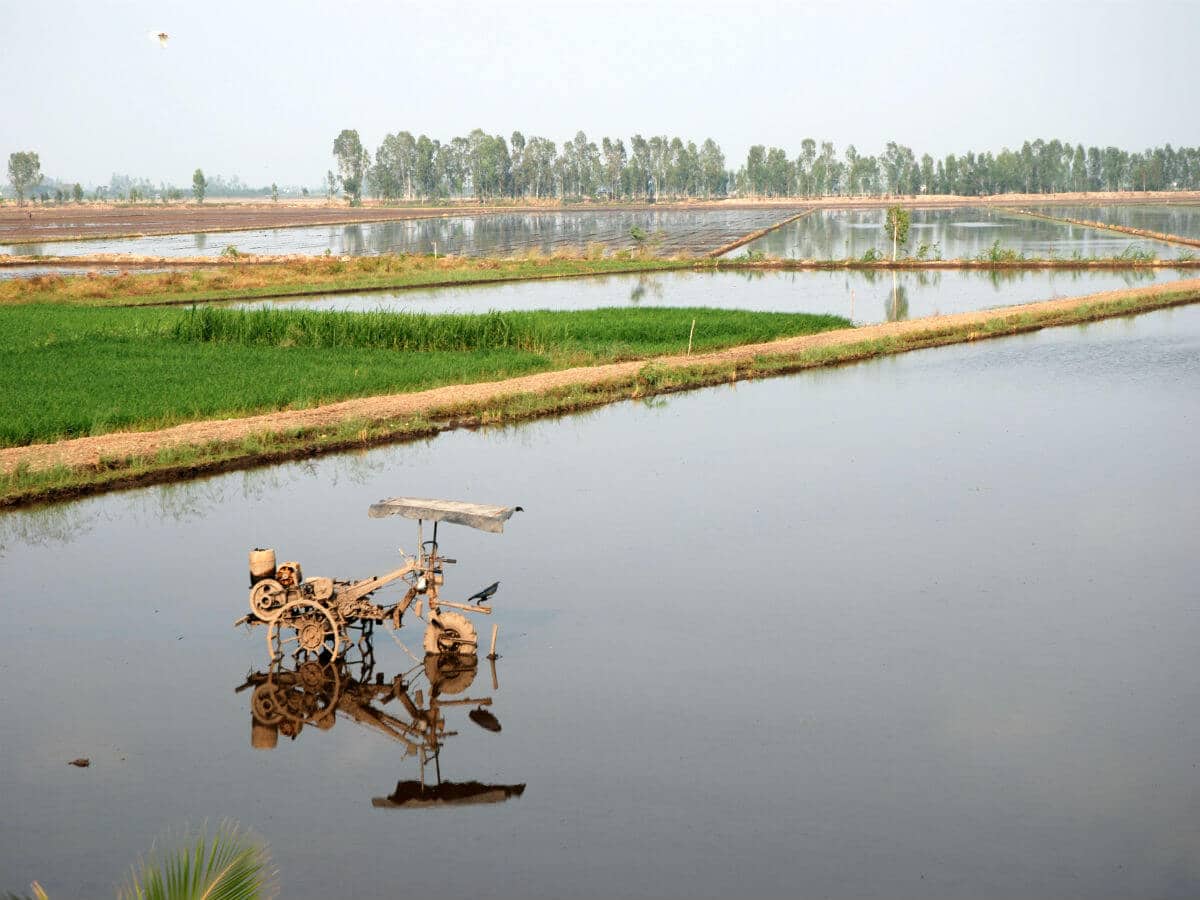
Did you know Cambodia is brimming with tropical jungles and well-preserved national parks? Oh yes, it’s true. The country is home to thick rainforests and green rice paddies, engulfing you in its rich flora and fauna.
Our Cambodia tour packages include visits to the Phnom Kulen National Park, Virachey National Park, Ream National Park, and Kirirom National Park. These parks are home to several wild animals, including gibbons, elephants, clouded leopards, Malayan sun bears, and wild water buffaloes.
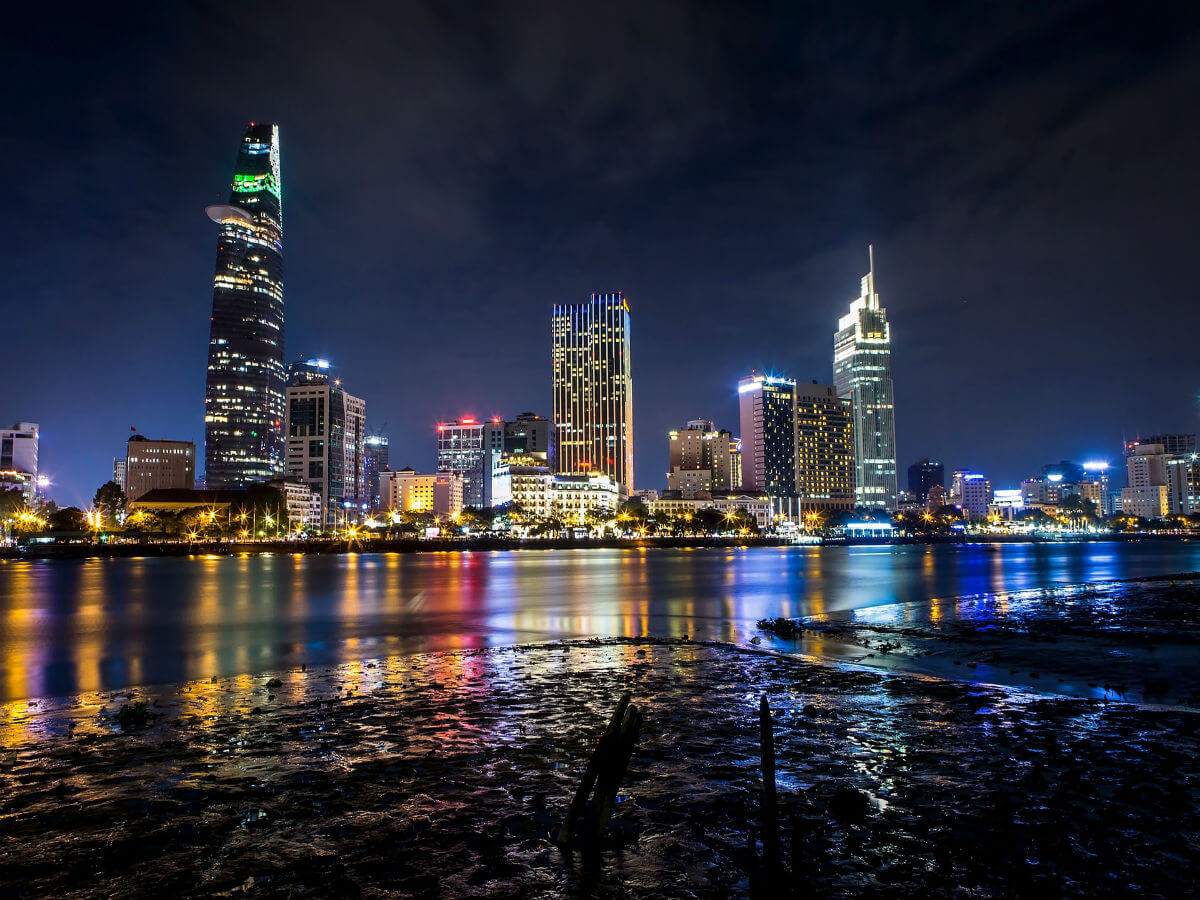
Phnom Penh is the capital city of Cambodia and also its most populous city. It is very well connected to other parts of the country through taxis and buses. Phnom Penh has witnessed it all, right from the Khmer glory of the past, the unfortunate events in its history, and the upcoming progressive future. The city is situated at the meeting point of the Mekong and Tonle Sap rivers and displays a mixture of French and Khmer architectural beauty. Renowned as the ‘Pearl of Asia’, Phnom Penh is filled with vibrant markets, lively bars, alluring gastronomy, and historical buildings.
Although Angkor Wat may be one of the primary reasons for one to visit Siem Reap, the city offers so much more for tourists to explore, including a mesmerising blend of historical and modern sights. There is, of course, the Angkor Archaeological Park for you to visit along with the other temple ruins, but there are also food tours, countryside bike tours, and stone carving workshops that you can experience.
Sihanoukville is the seaside resort city of Cambodia, offering travellers the opportunity to just sit back and enjoy the country’s coastline. Served by the Siem Reap Angkor International Airport (SAI), it is home to a variety of restaurants, spectacular beaches, and cafés with scrumptious seafood. Sihanoukville is where tourists can enjoy watersports such as snorkelling and kayaking and go on boat tours.
Battambang is the third-largest city in Cambodia and is the capital of the country’s Battambang province. The traditional art forms are one of the things that Battambang is reputed for. Hence, it doesn’t come as a surprise that several of the well-known actors, singers, and artists hail from Battambang. If you wish to escape the hustle and bustle of city life, then the quaint villages and rice fields of Battambang will bless you with just the kind of tranquillity you need.
In addition to the vibrant ecosystem of Kratie, tourists flock to this river town to experience its colonial architecture and get an authentic taste of Cambodia’s countryside. The Mekong Delta is one of the major attractions in Kratie, where you can witness the wildlife and floating markets. Several tourists visit this spot to lay their eyes on the critically endangered Irrawaddy dolphins. The dolphin watching tours are the ones that kids, in particular, enjoy the most.
Cambodia has two seasons: the wet season and the dry season. The dry season runs from October to March, and it is the peak season when all outdoor activities are available. The roads are in better condition, and the temperatures remain cooler.
The wet season, also the shoulder season, lasts from May to October. Let’s explore the details of both seasons so you can decide when to book our Cambodia tour packages.
During the dry season, the temperature in Cambodia remains between 20 degrees Celsius and 30 degrees Celsius. When the season begins, you will experience pleasant and cooler days accompanied by warm winds. There is minimal rainfall at this time, and the humidity is manageable. As the season progresses, the humidity and heat increase and there is occasional rainfall as well. Due to the lack of rainfall, this is the best time to travel to remote places in Cambodia, such as Ratanakiri and Mondulkiri.
Since this is the peak tourist season, you can expect crowds at the popular tourist attractions. Therefore, book our Cambodia tour packages to grab the best deals. The festivals in Cambodia during this season are the Pchum Ben Festival, Cambodian Water Festival, and Khmer New Year. Remember to stay hydrated when you go out sightseeing and don’t forget to bring sunglasses, sunscreen, and hats.
The temperature during the wet season in Cambodia oscillates between 24 degrees Celsius and 32 degrees Celsius. While the season commences with occasional showers, the rainfall eventually becomes more frequent. It can also get quite intense in the countryside and around the coast. Due to the poor drainage systems, the roads in Cambodia are not in good condition during this time. This is why you should avoid visiting remote regions or entering the sea during this season.
Given the current weather, make sure to carry rain protective gear, such as raincoats, rubber boots, and waterproof bags to pack your belongings. Since foodborne illness is higher during the wet season, avoid eating from the street food stalls. If you visit Cambodia during this time, you can witness the festivals Preah Reach Pithi Bonn Chrot Preah Neangkol, the Festival of the Ancestors, and Vesak Bochea.
When you avail of one of our Cambodia tour packages, you will get to witness all its famous tourist attractions and partake in the many thrilling activities offered by the country. Here are the places you can visit with your family and the activities you can participate in:
The temple complex of Angkor Wat is the world’s largest religious monument. Located in Siem Reap, it was originally built in 1150 CE as a Hindu temple dedicated to Vishnu. Towards the end of the 12th century, it was gradually transformed into a Buddhist temple. Sprawled over an area of almost 400 acres, it was constructed in the 12th century at the request of King Suryavarman II of the Khmer Empire.
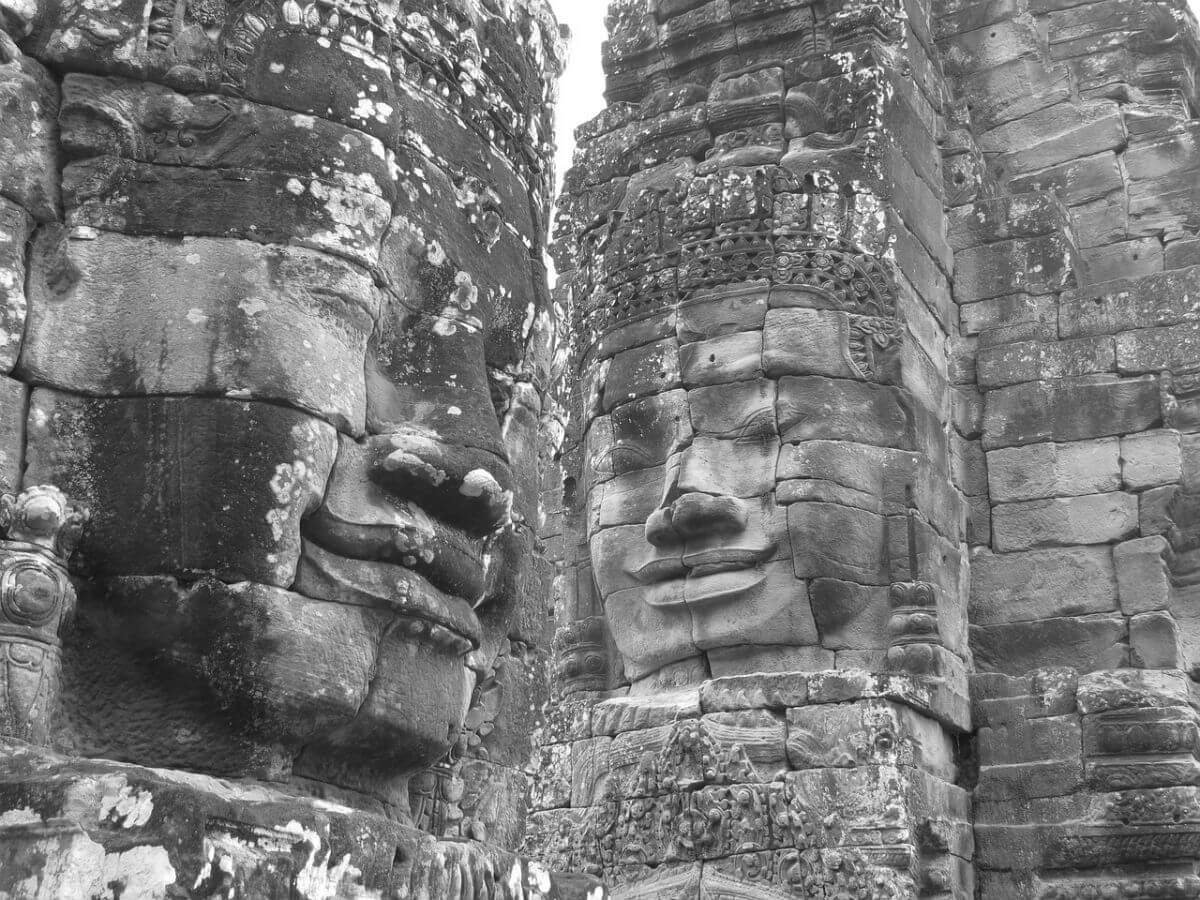
The Bayon Temple in Siem Reap is a Buddhist pyramid temple built for Jayavarman VII. Standing in the heart of Angkor Thom, this 12th century temple represents Mount Meru, the centre of the universe in Buddhist and Hindu cosmology. This temple is distinguished by its numerous displays of the stone faces of Brahma, which are said to have been modelled after King Jayavarman VII himself.
The distinct architecture of the temple was a political move to signify the transition from Hinduism to Buddhism. The temple was originally named Jayagiri, which means the ‘Mountain of Brahma’ or ‘Victory Mountain’.
The Royal Palace of Cambodia is the official royal residence of the King of Cambodia and is located in Phnom Penh. King Norodom I of Cambodia initiated the construction of this structure in 1866, as he wished to reside somewhere grand with his family. The architectural style of the place has traditional Khmer details, with sculptures and intricate carvings. This complex of buildings also includes courtyards, pools, gardens, and pavilions.
When you visit the Royal Palace, remember that tourists can only enter the Throne Hall and a few surrounding buildings. Regarding the dress code, you must wear modest clothes, with your blouse or T-shirt reaching the elbows. And remember to cover your knees.
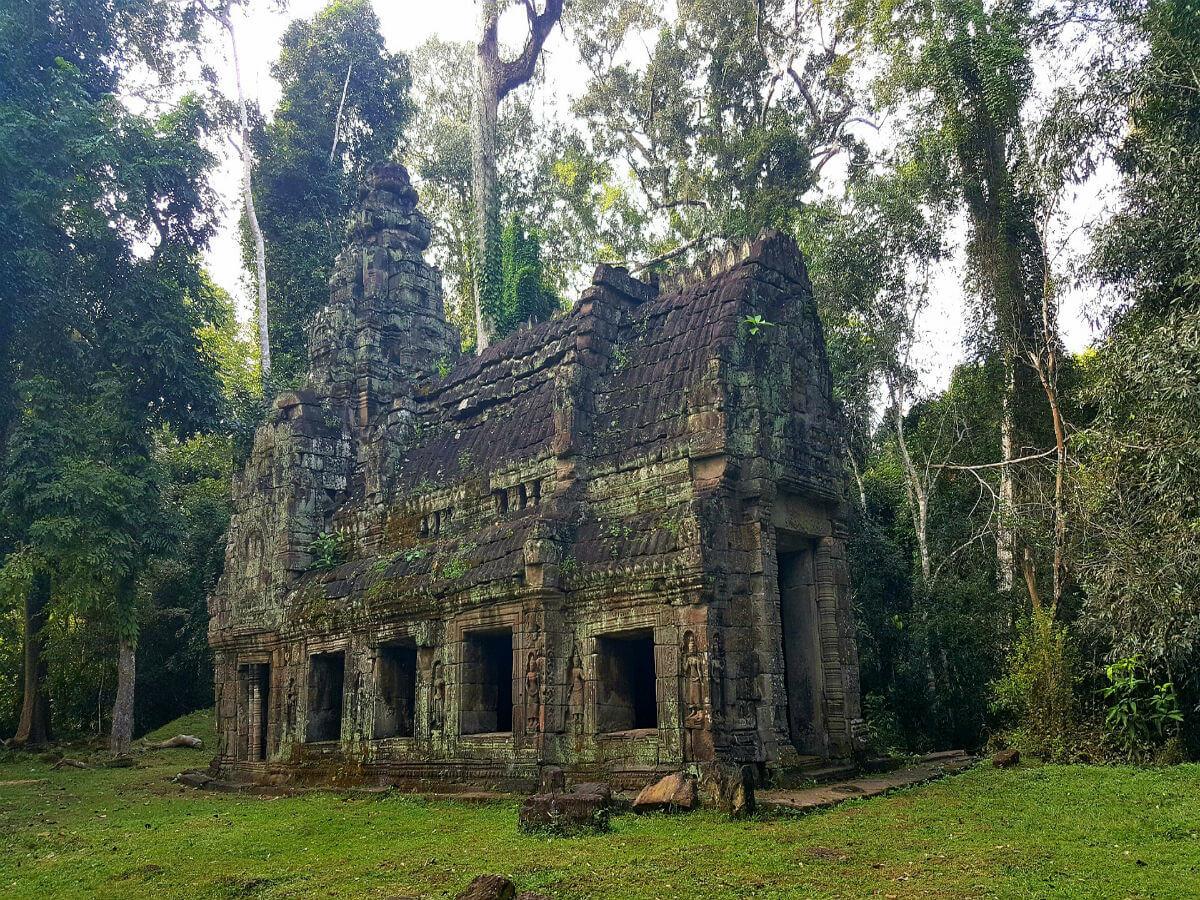
The Phnom Kulen National Park hosts the Kulen Mountain, translating to ‘Mountain of the Lychees’. The mountain range is 40 km long and is situated south of the Dangrek Mountain Range. Located about 50 km from Siem Reap, there are multiple attractions for you to enjoy at this touristy spot. This includes the Kulen Waterfall, the ancient temple of Preah Ang Thom, and the archaeological site known as the River of a Thousand Lingas.
Banteay Srei, which translates to ‘Citadel of the Women’, is a 10th-century temple dedicated to the Hindu god Shiva. It’s one of the few temples around Angkor which was commissioned by a Brahmin and not by a king, and the Brahmin was most likely a tutor of Jayavarman V. The temple has a rectangular shape with entrances at both the east and west ends. The elaborately decorated libraries, three central towers, and delicate stone carvings are particularly interesting to visitors. The library pediments of the structure contain spellbinding recreations from the epic Ramayana.
The National Museum of Cambodia, in Phnom Penh, is home to one of the largest collections of Khmer artefacts in the world. This includes ethnographic objects, ceramics, and sculptures from the prehistoric, pre-Angkorian, Angkorian, and post-Angkorian eras. Tourists can spot statues of Shiva at this museum, dating from the 9th, 10th, and 11th centuries. As you head to the southern pavilion of the museum, you can witness the pre-Angkorian collection, where a distinct shift is displayed from the Indian sculptures to the Khmer ones from the 5th to 8th centuries.
Kayaking and canoeing: The Tatai River in Cambodia offers kayaking and canoeing opportunities to tourists. The best time to indulge in these activities is during the dry season in the country.
Hiking: Some of the best locations for hiking in Cambodia are the Cardamom Mountains, Ream National Park, and Mondulkiri Province. Between November to March is the ideal time for hikes in Cambodia.
Trekking: The places where you can go trekking in Cambodia are the Virachey National Park, Kep National Park, and Phnom Kulen. During the dry season, which is between October to April, is the best time for trekking in the country.
Scuba diving: The best scuba diving spots in Cambodia include Koh Tang, Koh Rong, and Koh Prins. Between November to May is considered the best time for scuba diving in Cambodia.
Snorkelling: The places in Cambodia where tourists can go snorkelling are Koh Rong Sanloem, Koh Kon, Koh Tang, Koh Sdach, and Koh Prins. You can go snorkelling in Cambodia between November to February.
As you cover the different corners of Cambodia, you will be able to visit the bustling markets of the country. Listed below are some of the best souvenirs to buy from Cambodia and the places you can shop from:
Krama is a traditional Cambodian garment that has various uses. In addition to being a scarf, it can be a sarong, a turban, a blanket, or even a baby carrier. The distinguishing feature of a krama scarf is the checkered design, which is available in numerous colours.
With Cambodia’s long and rich history of silk weaving, it’s not surprising that silk products are some of the country’s most popular souvenirs. These products are made using traditional weaving methods and a hand-dyeing process.
Silverware in Cambodia is created by skilled artisans. Utensils, jewellery, and decorative products are some of the silverware items you can buy from the country with our Cambodia tour packages. Silver has a cultural significance in the country, representing status, wealth, and craftsmanship.
Owing to the carving skills and techniques possessed by the Cambodian craftsmen, you can buy various sculpture reproductions from the Cambodian markets. From large statues to smaller ones, you will find a variety of sculpture pieces made from bronze, stone, and wooden materials in the country. The markets sell miniature replicas of animals, Apsaras, and even Buddha.
Palm trees are abundant in Cambodia, which is why Cambodian palm sugar is one of the most popular souvenirs in the country. Every part of a palm tree is used in Cambodia for various purposes, such as leaves, stems, roots, branches, and fruit. The markets in the country sell palm sugar tablets that are brown in colour and round in shape, and you can derive the health benefits of palm sugar by consuming them.
Owing to the abundance of waterways in Cambodia, there is plenty of seafood and freshwater fish that you will get to try in the country with our Cambodia tour packages. Prawns, squid, and salmon are especially popular in Cambodia and are often used in salads, stir-fry dishes, curries, and soups. Duck, chicken, pork, and beef are easily available in the country as well, but they tend to be more expensive than fish based dishes. If you wish to experiment with new foods on your Cambodia tour packages, try eating snakes, scorpions, tarantulas, and locusts.
Rice is a staple in Cambodian cuisine. You will find various kinds of rice in their cuisine, such as aromatic rice, red rice, jasmine rice, glutinous sticky rice, etc. Some other vital starches utilised in Cambodian food are sweet potatoes, taro, and cassava. Noodles are often served in place of rice as well. Fresh and crispy vegetables are used in plenty of Cambodia’s food, such as in stews, soups, and curries. Various interesting elements are used to garnish and flavour the dishes of Cambodia, including spices, mint, basil, rhizomes, coriander, leaves, flowers, and dried fruits.
The history and culture of the country have played a significant role in shaping its cuisine, which includes the French colonial influence. This can be seen through the buns, baguettes, and other baked goods. Prahok is a standard inclusion in Cambodian food, used as a condiment or seasoning. It’s a fermented fish paste whose initiation took place when fish used to be preserved during the months when fresh fish wasn’t available in abundance. You will also find the spice paste called kroeung being used as a base in several Khmer dishes.
Cambodian salads, too, have a distinct and unique taste. They usually include shredded meats and vegetables, sour and shredded fruits, banana flowers, mint, and other herbs. Let’s now take a look at the delicious dishes you must try out during your vacation with our Cambodia tour packages.
Nom banh chok, which is also known as Khmer noodles, is either eaten during breakfast or as an afternoon snack. These fermented rice noodles are handmade by artisanal noodle makers all over Cambodia.
The dish consists of thin fresh rice noodles that are topped off with a fish-based green curry. The ingredients that go into making this curry include garlic, turmeric, finger root ginger, and lemongrass. While consuming this dish, you will find it garnished with edible flowers, long beans, banana flowers, fresh herbs, and cucumbers. It is often served with a sweet sauce called tuk paem, which is made using peanuts and palm sugar.
Lok lak is a Cambodian stir-fry dish whose main ingredient is either beef, chicken, or shrimp, with beef usually being the primary option. To make lok lak, a bed of lettuce leaves is topped with raw onions, tomatoes, and cucumbers, with the stir-fried beef and its juices enhancing the taste of the concoction. You will often find lok lak being served with rice on the side and a fried egg on top.
The element that adds to the savoury flavour of this dish is the brown dipping sauce that’s served along with it, made using Kampot peppers and lime juice.
Known as one of the national dishes of Cambodia, fish amok consists of diced fillets of freshwater fish that are covered in a curry like, creamy sauce. The traditional method of cooking fish amok involves steaming it in a banana or palm leaf which is shaped into a bowl. The dish is served inside that very bowl, with rice as the side dish.
Kroeung, a Cambodian spice paste, adds to the flavour of the dish. The paste is made using ingredients like shallots, lemongrass, kaffir lime, and turmeric. The base for fish amok is created by mixing palm sugar, fish sauce, eggs, and coconut milk.
Who doesn’t enjoy a well-made, traditional chicken curry, right? Samlar kari is the Cambodian version of exactly that. It’s made by combining chicken pieces in a smooth and silky coconut sauce. The coconut sauce is created using palm sugar, fish sauce, shrimp paste, and kroeung.
The unique flavour and fragrance of this chicken curry are derived from the kroeung paste added to the mix. Some also add vegetables to samlar kari, such as spinach, asparagus beans, carrots, onions, sweet potatoes, bamboo shoots, and eggplants.
Bai sach chrouk is considered the national breakfast of Cambodia. You will easily find the food stalls and restaurants in the country serving it in the morning. The dish is basically a combination of steamed rice and thinly sliced pork.
The sauce that goes into marinating the pork usually contains Kampot pepper, garlic, soy sauce, palm sugar, coconut milk, and fish sauce. The well-marinated meat enhances the taste of the entire dish. Bai sach chrouk is usually served along with pickled vegetables like carrots and cucumbers. You will often find the dish being accompanied by a bowl of chicken broth that’s garnished with fried onions and scallions.
Lap Khmer, which also goes by the name of Khmer beef salad, consists of thinly sliced beef that is prepared either by being quickly seared or mostly marinated in lime juice. Although traditionally this salad is consumed in its raw form, most of the restaurants serve it in a grilled avatar.
For those who enjoy spicy food, this salad is a must have because of the fresh red chillies it contains. Some of the other ingredients that go into making this salad are bell peppers, green beans, mint, Thai basil, fish sauce, garlic, shallots, and lemongrass. Due to the bold flavours it contains, lap Khmer is also a common snack in bars.
The green mango salad of Cambodia, which is also known as chruok svay, is another version of the Asian green papaya salad wherein green mangoes are used instead of papayas. To make this salad, crunchy strips of raw green mango are used. A sweet and sour dressing is used to coat the mango, and the dressing is made using fish sauce, palm sugar, and makrut lime juice.
Some of the other ingredients you will find in a green mango salad are basil, mint, cabbage, green onions, carrots, shallots, and peanuts or roasted cashews. Fish and seafood are incorporated as well, which usually includes dried shrimp. Thai chillies or bird’s eye chillies are used to give some heat to the salad.
Kuy teav is Cambodia’s version of a noodle soup, which is made with either pork or beef stock. It includes toppings such as green onions and bean sprouts along with rice vermicelli. Different kinds of meat can be used to make kuy teav, such as chicken, pork, beef, fish balls, and seafood. Since this noodle soup is a popular breakfast food, make sure to try it out when you visit the country with our Cambodia tour packages.
The conservatism of the Khmer people was visible in the past through the traditional visual arts of the country. These arts involved the depiction of ancient themes without the will to adapt or improvise. Some of the main crafts during that period were stone and wooden sculptures, jewellery making, goldsmithing, silversmithing, and weaving.
The literary tradition of Cambodia derives a lot of influence from Thai and Indian literary forms. The literacy rate of Cambodia wasn’t very high, which is why most of the population couldn’t read the indigenous literature. Despite that, the traditional tales of Dum Deav and Neang Kakey are known to most. There are also the Jataka tales that narrate about Buddha’s life that many are aware of.
The traditionally conservative literature of the country faced influence from the West during the 1960s and early 1970s. The youth of the country’s elite society experienced this influence as well. As a result of this, the movies, visual arts, poems, and novels began to have a touch of international taste. However, the Vietnam backed government limited freedom of expression in various ways after 1979. They did so by using literature for their agenda and controlling media distribution. Not many books are published in the country besides books on Cambodia’s history and culture, textbooks, and how-to books.
Cambodian painting involves graceful compositions, lively colours, and intricate patterns. It usually depicts mythological and religious themes. The country’s sculptures have detailed carvings and are statues modelled after mythological creatures, gods, and goddesses. Another integral part of Cambodian art is ceramics, which includes stoneware and pottery.




Share your travel dates and preferences. Our experts will create a personalised holiday for you.
☎ +91 83675 01501
✉ travelguru@gmail.com