


Imagine going to a fairy tale like land where the sun doesn’t set for almost 24 hours a day for most of the summer season? Sounds magical, does it not? That’s Iceland for you. This Nordic Island nation draws visitors in with its unique natural phenomena like the Midnight Sun and northern lights in addition to its spellbinding natural beauty.
With its untouched wilderness and wide-open spaces, there is yet much to be explored in Iceland. As you visit the country with our Iceland tour packages and breathe in its clean and fresh air, you will get the opportunity to meet its friendly locals and witness everything it has to offer. Let’s discuss the history, culture, cuisine, tourist attractions, and shopping scene of Iceland so you can learn further about this delightful destination.
The first settlers in Iceland were religious Irish people whose aim was to have a simple way of life. Iceland flourished in the Middle Ages, and Althingi, which is Iceland’s first parliament, was established in 930 AD. It is also the oldest parliament in the world. Iceland was initially a part of Norway, after which it was ruled by Denmark for over 500 years. Iceland formally became an independent republic in 1944. The national flag of Iceland has elements that represent the island nation. The blue is for the ocean that surrounds Iceland, the red represents the volcanic fires, and the white symbolises the country’s snow and ice fields.
Home to the northernmost capital of the world, Iceland is located in the middle of the North Atlantic Ocean. The people of Iceland are of Scandinavian descent and most of them have light skin, blonde hair, and tall physiques. Owing to their Celtic and Norse roots, several of the Icelandic people still believe in trolls, elves, and other types of mythical beings. You will find that most Icelanders live in the southwestern part of the country. In Iceland, school is free for all students till they get to college, and every school teaches every student to speak both Danish and English.

| Iceland Tour Packages | Duration | Highlights |
| Affordable Iceland Tour Package | 4 Nights 5 Days | Hafnarfjorour, Hallgrimskirkja, Thingvellir National Park, Althing |
| Category | Details |
| Country | Republic of Iceland |
| Currency | Icelandic króna |
| Capital City | Reykjavik |
| High season | June to August |
| Visa | Schengen visa |
| National Animal | Gyrfalcon |
| Languages | Icelandic, Polish, English, German, Danish |
| Famous Tourist Attractions | Thingvellir National Park, Gullfoss Falls, Geysir, Blue Lagoon, Seljalandsfoss Waterfall, Jokulsarlon Glacier Lagoon |
| Things To Do | Snorkelling, white water rafting, glacier hiking, ice climbing, skiing, snowboarding, canoeing, mountaineering |
| Famous Food | Icelandic hot dog, skyr, lamb, Icelandic ice cream, hakarl, rugbraud |
| Places To Visit | Reykjavik, Seydisfjordur, Akureyri, Isafjordur |
| Souvenirs To Buy | Lava salt, lava jewellery, beauty products from Blue Lagoon |
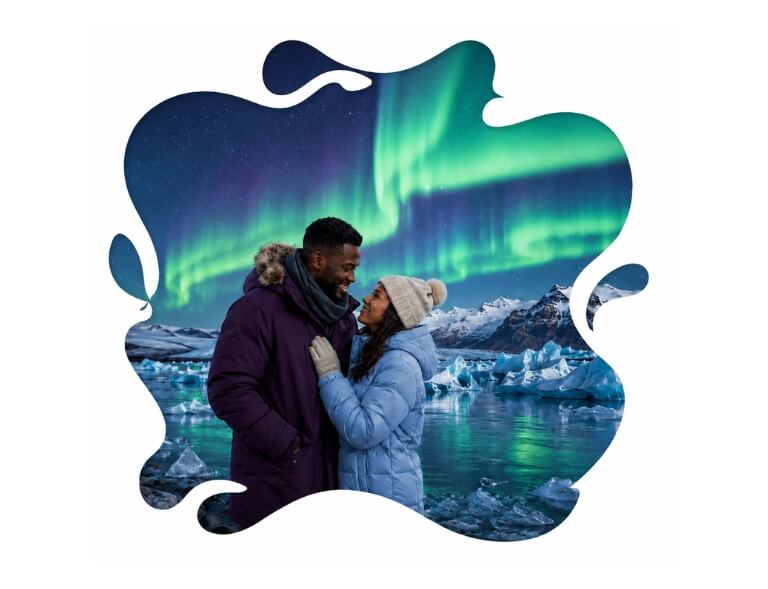
Due to the location of Iceland, it is one of the best places to view the northern lights. Although aurora borealis occurs throughout the year, it is properly visible when the skies are dark and clear. Somewhere between September to early April is the best time to view the northern lights in Iceland from about 8 pm to 2 am.
Owing to the position of Iceland in the Arctic Circle and the tilt in the Earth’s axis, the sun barely sets at midnight and then rises again at 3 am. This occurs from mid-May to late July, and if you wish to enjoy sunshine in all its glory, you must visit Iceland during the summer season. Note down that the summer solstice midnight sun phenomenon reaches its peak on 21st June, which is when the sun is at its highest point in the sky.
The most precious natural resource that Iceland has to boast about is its rich water supply. Due to the numerous mountain and glacier streams, the quality of Iceland’s drinking water is beyond commendable. The country has also been using geothermal energy as a power source for a very long time, which is why you will find several geothermal pools all across Iceland.
The Blue Lagoon, for instance, is one of the best geothermal spas to exist in the world. The warm seawater of this destination will rejuvenate and heal your skin due to the presence of minerals such as sulphur and silica.
The current Icelandic cuisine reflects all the gastronomic traditions that the country has seen over the decades. For the longest time, Iceland subjected its residents to extremely harsh living conditions, which was evident in their diet.
With time, Iceland has carved its space in the new Nordic cuisine because of the advanced farming and greenhouse technologies employed by the country. Time also brought about a high demand for natural and fresh ingredients. Some of the most common elements found in Icelandic food are fish, potatoes, lamb, dairy, and seafood.
Iceland is home to plenty of captivating animals, such as whales and Icelandic horses. The country is one of the best destinations for whale watching, which is something you can enjoy when you book our Iceland tour packages. Various species of dolphins and whales can be seen in Iceland. The best time for whale watching in the country is between April to October. Over 20 indigenous whale species are present in Iceland, including the minke and humpback whales.
Icelandic horses are known for their gentle and spirited personalities, ability to cross rugged terrains, and five gaits. You can also go on horse riding tours in the country that will take you into the wilderness of Iceland. These horses have played a vital role in the historical and cultural development of Iceland. The first Viking settlers are known to have brought their best horses along with them. The harsh conditions of the island shaped their nature over the centuries, leading to the survival of the strongest ones.
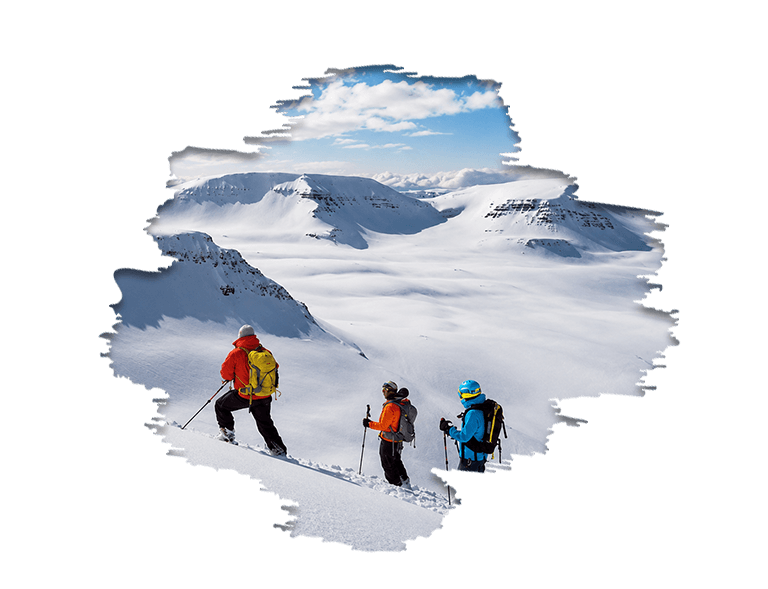
Referred to as ‘the land of fire and ice’, Iceland is famous for its unique landscape. Every year, visitors travel to the island nation to experience its natural diversity, which includes waterfalls, volcanoes, glaciers, hot springs, mountains, lava fields, black sand beaches, mountains, lakes, and rivers. These landscapes also allow tourists to engage in a bunch of outdoor activities, such as ice climbing, dog sledding, whale watching, hiking, and mountaineering.
The landscape of Iceland is highly photogenic, including fjords and glaciers that attract travellers all year round. While deciding when to book our Iceland tour packages, you need to keep in mind the activities you’re hoping to participate in. While the hot springs can be enjoyed throughout the year, natural phenomena such as the midnight sun and northern lights provide the best view during certain months.
The high season in Iceland lasts from June to August. While the shoulder season is from April to May and September to October, Iceland experiences its low season from November to April. Let’s take a look at what each season in Iceland brings about so you can decide when to book our Iceland tour packages.
From April, the temperature begins to rise in Iceland. While the average high temperature can be about 5 degrees Celsius, the average lows can go below freezing. The temperature during this season remains between -1 degree Celsius to 6 degrees Celsius. As spring moves forward, the days become longer, and you get to see more sunlight. The snow and rain reduce significantly as well, therefore providing better conditions for the roads and giving more access to the mountainous areas. However, if you travel at this time, be ready for the weather to change drastically and randomly at any given time.
Since this is the off-season, you can find more affordable deals on accommodation, flights, and car rentals. While some of the remote places of the country could remain inaccessible, the more famous sightseeing spots such as the Blue Lagoon can be enjoyed with fewer crowds. Make sure to carry all your winter essentials during this period, such as boots, socks, woollen clothes, and thermals. The festivals you can enjoy during spring in Iceland include the Rite of Spring Festival. Engage in activities like fishing, horse riding, hiking, birdwatching, and whale watching during this season.
The temperature during the summer season in Iceland oscillates between 4 degrees Celsius to 15 degrees Celsius. With the temperature going down, it’s not a surprise that this is the peak tourist season in Iceland. On a warm day, the temperature can go up to 15 degrees Celsius, and due to Iceland’s proximity to the Arctic Circle, that very temperature could drop 10 degrees on another day. Summers in the country have barely any rainfall and plenty of sunshine. You will get to witness the phenomenon of the midnight sun at this time.
The peak season in Iceland means expensive flights, crowded areas, and packed hotels. If you’re planning to visit Iceland during the summer, make sure to book our Iceland tour packages in advance. The festivals one can enjoy at this time include the Festival of the Sea, Secret Solstice Festival, Annual Viking Festival, Innipukinn Music Festival, and Menningarnott. Remember to pack warm clothes even though it’s the summer season and try to go sightseeing at the popular attractions after lunch.
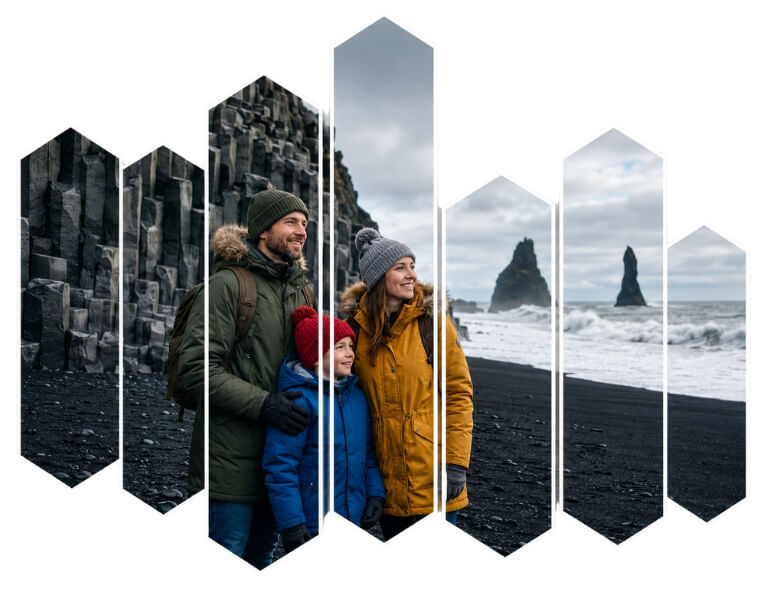
When Iceland welcomes autumn, the temperature drops and the landscape turns more earthy. The temperature remains between 3 degrees Celsius to 11 degrees Celsius, with the nights being as cold as 3 degrees Celsius and the days oscillating between 8 degrees Celsius to 10 degrees Celsius. Once the season moves forward, the level of precipitation increases, and the air becomes cooler and crisper. There are, however, certain weeks in autumn that are perfect for outdoor activities.
With winter approaching, several of the remote and mountainous regions begin to get blocked off. Therefore, keep that in mind before finalising your activities. The festivals that take place in Iceland during this season include the Reykjavik International Film Festival and the Iceland Airwaves.
During the winter season, the temperature in Iceland remains between -3 degrees Celsius to 3 degrees Celsius. There is very little daylight during this time, and you can expect snow, rainfall, and fog. While you might wonder why you should visit Iceland at this time, the northern lights offer a perfectly good reason for you to do so. With the extended hours of darkness, you can travel to the countryside to view the northern lights in all their glory.
Make sure to pack sturdy hiking boots if you plan on experiencing an Icelandic winter. The festivals that tourists can enjoy during this time include Christmas, New Year, Winter Lights Festival, Food and Fun Festival, Beer Day, and the Reykjavic Folk Festival. Although the winter months in Iceland are pretty dark and cold, it does allow travellers to have a more budget-friendly time in the country.
The tourist attractions in Iceland are as unique as the landscape of the country. From glaciers, lagoons, and hot springs to national parks and waterfalls, you will never run out of things to explore in this island nation. Keep reading to know about the best spots to visit with our Iceland tour packages and the adventurous activities you can participate in with your friends and family.
Situated to the east of the Golden Circle is one of the most beloved and iconic waterfalls of Iceland, known as Gullfoss Falls. In 1979, it was declared a nature reserve so as to permanently protect the waterfall and the surrounding area. The name of the waterfall translates to ‘golden waterfall’, and some believe that it got this name because of the golden light that reflects in the falls during sunset. The Gullfoss Falls are made up of two-tiered waterfalls. While the upper one plunges 11 metres from the Hvítá River before falling again, the lower one drops 21 metres into the canyon below.
Geysir is a hot spring located in the Haukadalur Valley, which is a geothermal area in the southwestern part of Iceland. Known as the Great Geysir, it is believed to have been formed in 1294 following a series of earthquakes which led to the creation of new springs in the region. You can view this hot spring as a part of the Golden Circle Tour with our Iceland tour packages. Investigations have shown that the Great Geysir has been active for at least 10,000 years.
Blue Lagoon is a geothermal spa in southwest Iceland on the Reykjanes Peninsula. It is a 40-minute drive from Reykjavik, and it came under the limelight for the first time with the locals in 1981 after being created in 1976. The water from the hot springs goes up to 39 degrees Celsius and is said to be extremely beneficial for a person’s skin and health. In addition to taking a bath in a unique ambience, travellers get to shop from a range of skincare products and enjoy a wide variety of spa treatments at this spot.
Thingvellir National Park is situated on the northern shore of Lake Thingvallavatn. Sprawled over an area of 240 square kms, it is protected by the Thingvellir Conservation Act which dates back to 1928. There are numerous activities to be enjoyed at this park, including hiking and horseback riding.
In 1928, it was named as Iceland’s first national park, and the park played a vital role in the political and social development of the country. The first parliament of Iceland met at this spot in 930 AD, and it was used for this purpose till 1798. There are about 52 species of birds that live by the lake and the park is home to 172 species of higher plants.
Iceland is one of the best places in the world to view the northern lights or aurora borealis, which is a natura phenomenon that occurs when solar particles collide with the Earth’s atmosphere. As the colours dance and brighten up the night sky, you can experience this spectacular phenomenon during the winter season in Iceland.
The vast landscapes of the country are devoid of polluting light, and when this is combined with the dark winter skies, it serves as the perfect background for the display of the blue, green, and red colours.
Reykjavik is the capital of Iceland and also its largest city. It’s a walkable city where you will discover restaurants, museums, various entertainment options, and public art. Make sure to visit some of its most iconic locations. Start off with Hallgrimskirkja, which is the largest church in Iceland. Witness the Sun Voyager, which is a large steel sculpture of a ship situated on the city’s waterfront. Shop around at one of its boutique stores and relish a hot dog or one of the local cheeses during a food walk tour.
Seljalandsfoss Waterfall is one of the most impressive waterfalls in Iceland and is a part of the Seljalandsa River. The water from these falls comes from the Eyjafjallajokull glacier, which melts to create the Seljalandsa River, thereby plunging into a deep bowl. An interesting feature of the Seljalandsfoss Waterfall is that it is among the few waterfalls in Iceland that one can walk behind. The waterfall was featured in the sixth season of an American reality TV series known as The Amazing Race.
The Vatnajokull National Park is the largest national park in Iceland and one of the three national parks in the country. It was declared a UNESCO World Heritage Site in July 2019. The landscape of the national park is extremely unique, formed by the combination of volcanic and geothermal activity, glacial ice, and rivers. Established in 2008, the park is spread over an area of 14,141 square km, which makes up about 14% of the landmass of Iceland. It is the second largest national park in Europe, following the Yugyd Va National Park in Russia.
The souvenirs found in Iceland are so unique and related to the culture of Iceland that you can’t help but grab a couple of them during your holiday. To make it easier for you, we have listed the best Icelandic souvenirs to buy and the best places to shop while you explore the country with our Iceland tour packages.
Sea salt and liquorice is present in a lot of the chocolates available in Iceland, making them different from most of the chocolates you’d find elsewhere. The Omnom Chocolate Store in Iceland is among the most popular brands to buy from when looking for chocolates as a souvenir for your loved ones.
Lava salt, as the name suggests, is salt that comes from a volcano. This natural, hand sourced, and gluten free salt is perfect for those who are very conscious of what they eat. Laugavegur Street is one of the best places in Iceland to buy lava salt from.
Lopapeysa is an Iceland type of woollen sweater that people often carry back home for themselves and their near and dear ones. Created from Icelandic sheep’s wool, these sweaters have unique designs and colours. The Handknitting Association of Iceland in Reykjavik is where you will find the most authentic form of these sweaters.
Although Iceland isn’t exactly known for alcohol, there is one kind of alcohol that you can try and buy from the country. It’s known as brennivin, and the name of this alcoholic beverage translates to ‘burning wine’. Tourists can buy this drink from government owned shops or bars before 6 pm.
The Blue Lagoon is Iceland not only offers rejuvenating spa experiences to tourists, but also the opportunity to purchase beauty and skincare products. If you have friends who have an affinity for skincare, then you should definitely buy some mud masks and creams for them from this location.
Iceland has jewellery related to ruins, mythology, and zodiac signs that travellers could find very intriguing. Authentic pieces of lava jewellery can be purchased from here. Beware of counterfeit lava jewellery because some stores tend to store polished lava jewels imported from other countries. There is a variety of lava jewellery you can buy, including bracelets, necklaces, earrings, and anklets.
Back in the day, the presence of barren soil and harsh winters meant that Iceland had very few resources. This led to the food culture in the country remaining simple while making use of whatever was available. With the arrival of the 21st century, however, there has been a revival in the cuisine of Iceland, as the chefs discovered the inclusion of locally sourced ingredients in traditional dishes.
The country is surrounded by the North Atlantic Ocean and has a clean natural environment along with fresh water. Through the presence of renewable geothermal energy and new technologies, locally sourced and freshly grown ingredients are available throughout the year. The traditional food of Iceland is popular among locals as well as tourists, which is something you will get to witness and enjoy with our Iceland tour packages. Let’s take a look at the Icelandic dishes that you absolutely must try out during your holiday:
Icelandic hot dog is also known as pylsur and it’s an Icelandic favourite among visitors as well as locals. The feature that differentiates these hot dogs from the ones found in New York is the mix of meats they contain, which is usually beef, pork, and lamb. The hot dog is topped off with condiments such as raw onions, fried onions, remoulade, sweet mustard, and ketchup.
Skyr is a popular traditional dish in Iceland which is commonly eaten during breakfast as it’s filling enough to keep you going till lunch. Some, however, like to consume it during other times of the day as well. It’s a thick and creamy dairy product that may look like yoghurt but is actually a mix between yoghurt and cottage cheese. This product is made by straining curdled milk, which creates this low fat and high protein product.
Skyr is often served with cream and tart berry jam, and is used in smoothies, cheesecake, and ice cream. Having been a part of the country’s diet for over 1,000 years, it is available in a wide variety of flavours, including plain, baked apple, and berry.
If you’re a meat-eater, then you must try Icelandic lamb as a part of your itinerary with our Iceland tour packages. The sheep in Iceland roam around wild and free, consuming berries and plants, making their meat some of the most delicious ones in the world. Lamb is cooked and served in numerous ways in Iceland, such as roasted with spiced gravy or stewed with root vegetables.
Regardless of the weather in Iceland, the locals will never say no to ice cream. There are ice cream parlours present in almost every town across the country, with several being located near geothermal swimming pools, thereby making for the perfect after swim treat. The most popular type of ice cream in Iceland is soft-serve ice cream. There is also gelato ice cream that you can try, whose texture and flavour will surely please you.
Hakarl is the national dish of Iceland and refers to fermented shark. These sharks are Greenland sharks, and their fresh meat is poisonous as it contains a lot of ammonia. This is why it needs to be fermented in order to be consumed. The fermentation process takes anywhere between five to six months, which includes the shark meat being hung and cured. Beware that the smell of this dish is quite strong. Hakarl is usually consumed with Brennivin, which is Iceland’s national drink.
Rugbraud is Icelandic rye bread, which is dark and sweet, having no crust and a thick consistency. As per tradition, the bread is baked in a pot and buried near a hot spring. The heat that emanates from the ground around helps in baking the bread. You can have this bread with fresh Icelandic salmon and salted butter.
Hangikjot is smoked lamb, and this traditional Icelandic food is often served during Christmas. The meat is served either hot or cold and in the form of slices. You can eat this smoked lamb along with potatoes and a creamy sauce.
When you’re in the mood for something sweet, you can have snudur, which is the Icelandic version of a cinnamon roll. Available in most supermarkets, cafes, and bakeries across the country, this dessert is perfect to be had as a snack along with a refreshing cup of coffee. Various bakeries in the capital city often give their own twist to this beloved dish. You can have snudur covered with icing or chocolate to amplify its flavour and sweetness.
The storytelling tradition in Iceland is quite popular. Anecdotes and tales told in an oral form are common and are mostly related to the huldufolk or hidden people. Some of the most famous stories of the country are the Sagas, which are huge works brimming with wisdom. These document stories regarding the real people of Iceland and the country’s age of settlement, which were the 9th, 10th, and early 11th centuries.
Most of these Sagas were not penned till the 13th and 14th centuries. These were mainly written by unknown authors, which is why several of the stories have been embellished and modified with each retelling. After the Sagas, the literature of Iceland saw epic poems and sacred verse. The 19th century led to naturalist, realist, and romantic poetry.
The remote location of Iceland has had quite a strong effect on its musical culture. The music from the Middle Ages went on till well into the 19th century. Chorus singing was heard for the first time in Iceland in the mid 19th century. Eventually, in the 20th century, musicians derived inspiration from the wild terrain of the country to compose music. Popular music made its way to the country during the 1980s. Currently, there are various music festivals in Iceland that celebrate music genres such as classical music, hard rock, blues, and jazz.
During the 60s and 70s, there was an avant-garde art scene in Iceland. After that, visual arts went through an exciting transition in the country. Since then, the artists of Iceland have been showcasing their work around the world. As you walk around Reykjavik, you will come across small galleries, organisations run by artists, and unique project spaces.


Share your travel dates and preferences. Our experts will create a personalised holiday for you.
☎ +91 83675 01501
✉ travelguru@gmail.com