

Germany has played a crucial role in altering the course of world history. No, we’re not referring to events leading up to World War II; rather, the country has given us some of the world’s most influential thinkers, Nietzsche, Marx, Kant, Wittgenstein, et al. While Martin Luther’s translation of the Latin Bible to vernacular German helped shape the Protestant Reformation and the German language, Albert Einstein helped transform classical physics. Even today, Germany is one of the most important countries in the world, it is Europe’s largest economy and a key member of the world’s economic, political, and defence organisations.
Germany is the eighth-most visited country in the world and the most visited country in Europe. Tourists visit Germany for its castles and palaces, beautiful landscapes like the Harz and Black Forest Mountains, museums, and Christmas markets. Not to mention the varied culinary delicacies, ranging from weisswurst and doner kebab to the ubiquitous black forest cake. Check out our Germany tour packages if you’d like to explore Deutschland.
Germany was a loose collection of Germanic principalities and states until it was unified by Otto von Bismark in 1871. He is credited with bringing the German-speaking European provinces together through bureaucratic means and military power. The country was again divided into East and West Germany after the Second World War but later united after the Cold War ended in 1990.
Germany or Deutschland (meaning Land of the People) is a Western European country bordered by nine countries, including Denmark, Switzerland, and Austria. It is one of Europe’s largest economies and the second-most populous nation on the continent.
Germany is a federation of 16 states, the largest of which is Bavaria. While the Baltic and North Sea form the country’s northern coastline, the Alps dominate its southern borders. Just under a third of the country is covered with forests. Germany also has the most nature reserves in Europe, covering over 17,654 sq km, the largest of which is the Black Forest Mountain Region. The forest is also the source of the Danube, one of Europe’s largest rivers.
The Germans are, as a society, very organised and disciplined. They follow the rules and expect everyone to do so – don’t be surprised if you find a German reprimanding you for breaking a rule. Ordnung muss sein, or there must be order, is a rule embedded in the German psyche. There’s even a special police force, Ordnungsamt or Public Order Office, focusing on misdemeanours.
Check out our Germany tour packages if you plan to visit the country and experience its culture first-hand.

| Germany Tour Packages | Duration | Highlights |
| Dusseldorf Tour Package | 2 Nights 3 Days | Rhine Tower, Schloss Jagerhof, Konigsallee, Old Town & other attractions |
| Germany Travel Package Itinerary | 7 Nights 8 Days | Munich, Stuttgart, Baden Baden, Titisee, Frankfurt, Zurich |
| German Austria Holiday Package | 8 Nights 9 Days | Munich, Neuschwanstein, Linderhof, Salzburg, Vienna & other attractions |
| Category | Details |
| Country | Federal Republic of Germany Bundesrepublik Deutschland |
| Capital | Berlin |
| Language(s) | German |
| Currency | Euro (EUR) |
| High Season | May to September |
| Iconic Attractions | Cologne Cathedral, Brandenburg Gate, Neuschwanstein Castle, Miniatur Wunderland, Berlin’s Museum Island |
| Visa | Schengen Visa for 90 days |
| National Animal | Black Eagle |
| National Flower | Cornflower |
| National Food | Sauerbraten |
| Standard Voltage | 230 Volt 50 Hz; Type C Socket |
While Germany is a year round destination, some months are better thanks to the pleasant weather and seasonal attractions. For instance, if exploring Germany’s Christmas markets is on your bucket list, winter is the best time to choose Germany tour packages. But if you plan on sunbathing or hiking, visit the country during summer. Germany has four seasons:
Spring is a great time to visit Germany, thanks to the vibrant colours and festivals prevalent across the country. While the weather starts cold and dreary in March, it gets progressively pleasant around May when the average temperature is around 13°C. Spring is also a festive time in the country, with several German cities holding their own version of the Spring Festival. While Munich celebrates Fruhlingsfest, Frankfurt hosts Dippemess. It’s also asparagus time in Germany with many cities celebrating Spargelzeit.
While it is warm and sunny for locals, it’s still cold for Indians. Make sure you pack layered clothing and a raincoat or umbrella.
Summer is the peak tourist season in Germany. Temperatures range from 20° to 30°C around summer months but may reach up to 35°C coupled with high humidity. While Indians are accustomed to warm weather, you may want to reconsider your German vacation plans if the hot weather isn’t suited for you. Germany has no built-in AC units, making it a terrible time to visit public places or use public transport systems. It’s also the time for Germans to head out on a holiday. People who stay back spend their days enjoying ice creams or attending music festivals. It’s also a great time for summer activities like hiking, biking, and sunbathing.
While it is hot and sunny during summer, remember to carry a raincoat or umbrella as the precipitation could result in rainy weather.
Germany is exceptionally beautiful in autumn, with the entire landscape in sepia, orange and ochre yellow tones. It’s also a great time to celebrate 2 of Germany’s most favourite – beer and sausages. Yes, it’s the time when Oktoberfest is celebrated. The temperature ranges from 10°C to 15°C during these months. And if you visit Germany around mid-November, you may even see some early snow. With long days and a pleasant climate, Germans spend plenty of time outdoors, enjoying the last warm days. In fact, the warm autumn period is called altweibersommer or old woman’s summer.
Winter marks the beginning of the snow season. It’s also the time of the year when Germans spend time with family and friends, joining them for festivals. It’s cold and freezing during these months, with temperatures ranging from -5°C to 5°C. Some of the best places to visit during winter include the Bavarian Alps and the Black Forest Mountains. And if you are planning a ski holiday, remember to include Oberstdorf in your Germany tour package.
Besides the Christmas markets, many stores will likely be closed during the holidays. Pretty much everything, including restaurants, is closed from mid-afternoon Christmas Eve until the 27th.
Despite their reputation for being serious and orderly, Germans have a fun and playful side. The country celebrates over 10,000 festivals and carnivals across various regions, ranging from the Oktoberfest in Munich to Karneval in Cologne. Schwetzingen celebrates Spargelfest or Asparagusfest to celebrate the asparagus season, while Weimar celebrates the onion harvest with the Zwiebelnfest or Onionfest. Not to mention Wurstmarkt, the world’s largest wine festival, where you can also try Germany’s best sausages. Across these food festivals, you’ll come across hundreds of vendors selling crazy dishes based on the vegetables of the moment. You can also buy the season’s best at these festivals.
The Berlin Fim Festival is an internationally renowned event showcasing movies from across the world. Berlin is also famous for its Unity Day Parade, which is celebrated to commemorate the reunification of East and West Germany. Music lovers shouldn’t miss the Bachfest in Leipzig to honour Johann Sebastian Bach, the legendary baroque composer.
With over 25,000 castles and palaces, Germany is the castle capital of the world. The most famous of all, Neuschwanstein, inspired Disneyland’s Cinderella Castle. Similarly, the 1000 year old Nuremberg Castle is an important medieval-era castle that once represented the power of the Holy Roman Empire. If you’re travelling to Munich, don’t miss the Heidelberg Castle, which sits beautifully amidst the verdant German countryside. And if you’re looking for great sightseeing spots, don’t miss the Hohenzollern Castle, which offers a sweeping view of the surrounding mountains.
The beautiful Schwerin Castle is situated on an island on Lake Schwerin. This romantic fortress is also home to the State Parliament. There’s also the oddly named Frankenstein Castle, a 13th-century castle named after the rock on which it sits. In fact, Frankenstein is a very common name in Germany, probably inspiring Mary Shelley to write her famous book Frankenstein.
There are over 7,000 km of interconnected rivers that serve as borders separating German regions and states. Some of the rivers, like the Rhine and Danube, offer the perfect opportunity to set sail on a cruise and soak in the captivating landscapes as the cruise passes through cathedrals, vineyards, and the fabled Alps of the Black Forest.
Germany has over 54 UNESCO World Heritage Sites, including the Aachen Cathedral, the first to be listed. Some notable sites include the Cologne Cathedral, the Wartburg Castle in Eisenach, and the 13th-century Naumburg Cathedral. The Ice Age art and caves in the Swabian Jura are believed to be over 43,000 to 33,000 years old. Inside the caves, you’ll find figurines depicting half-animals and half-humans, mammoths, cave lions, and horses. It is believed that these caves could have been home to modern humans and even Neanderthals.
Germany is also home to ancient Roman monuments in Trier. This place was a Roman colony until the 3rd century and was one of the largest cities of the Roman Empire. Some of the monuments that survive even today include the Roman city gate of Porta Nigra, the Imperial Baths, and the Trier Cathedral.
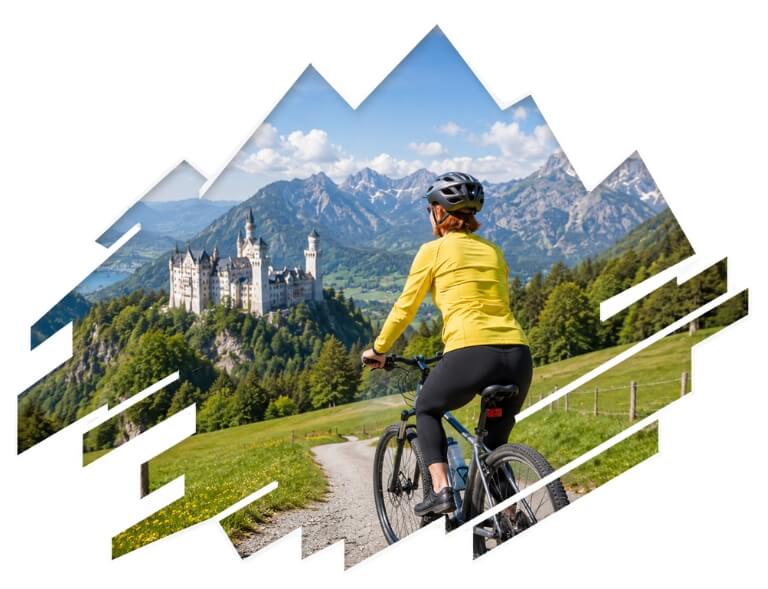
The Bavarian Alps paint a timeless picture of fairy-tale castles, picturesque mountain ranges, pristine lakes, snow-capped mountains, and quaint medieval villages. The Bavarian Alps are part of the Eastern Alps and get their name from the largest state in Germany, Bavaria. They’re equally, if not more, majestic than the Swiss Alps, with places like Zugspitze (an excellent spot for skiers), villages like Grainau, Bayrischzell, and Jachenau, and medieval towns like Rothenburg. Not to forget the famous city of Munich, which is famous for hosting the iconic Oktoberfest.
Other attractions you must experience in the Bavarian Alps include the famous Neuschwanstein castle and the Berchtesgaden National Park. Spend your vacation zig-zagging through alpine forests as your cable car glides through Germany’s highest mountain. Or, take an unforgettable ride on the yellow Wendelstein cog railway as the train passes through flowering alpine meadows and shady forests.
Germans are very serious about their beer. It is believed that the average German consumes around 100 litres of beer every year. With over 7,000 varieties of beer, it’s no surprise that there’s a distinct glass for every beer type. For example, steins are used for lagers and ales, and weizen mugs are used for wheat beers or weizens. Not using the correct glass would be sacrilegious for a German. Beer culture is celebrated nowhere better than Munich, the city that hosts the renowned Oktoberfest. Make sure you visit a brewery on your Germany tour package itinerary.
You’ll even find the average German getting creative with their beers by mixing them with non-alcoholic drinks like Sprite, orange juice, or banana juice. They call this Biermischgetranke, which translates to a beer-based mixed drink.
German cities are famous for their tourist attractions and distinct personalities – at times, they almost seem like different countries. For instance, Cologne is loved for its relaxed and liberal attitude, accepting people for who they are. No wonder it is home to a thriving LGBTQ+ community and the Cologne Gay Pride Parade. Similarly, Hamburg is known for its incredible energy and thrilling nightlife. However, people can be introverted and appear distant at first. Berlin is Germany’s most cosmopolitan city, and you shouldn’t have a problem making friends since people speak English well. The city is also famous for its café culture, thrilling nightlife, artsy galleries, and techno music.
Germany is not only Europe’s economic giant but also its cultural hub, famous for its historical timestamps and enchanting cultural events. Here are some attractions included in our Germany tour package.
It’s hard to fathom that most buildings in old German cities are hundreds of years old. But the oldest and grandest of them all are cathedrals, as they were the seat of the bishops and had to be the best. The most famous and memorable is the Cologne Cathedral, the largest Gothic cathedral in Northern Europe and home to the Shrine of the Three Kings. While the foundation stone was laid in 1248, the cathedral was finally built in 1880, 632 years later.
Other notable cathedrals include the Aachen Cathedral, built around the 8th century. It is one of the oldest cathedrals in Europe and one of the first places to be listed on the UNESCO World Heritage List. The cathedral was built in Romanesque and Gothic style. Some other notable cathedrals include:
With over 25,000 castles, Germany is definitely the castle capital of the world – in fact, there’s one every 25 km. Unlike palaces, castles were not reserved only for the royalty. Back then, anybody who achieved social and economic status commissioned a castle. They were also built by vassals, who used them to protect their people from enemy attacks. Since, during the medieval period, Germany consisted of several small states ruled by kings, bishops, dukes, and earls, each of these influential people had their own castle. They built these castles strategically on top of mountains or in the middle of an island. Some famous castles and palaces included in our Germany tour package include:
Every German city is home to unique museums, galleries, and exhibition houses that showcase the country’s finest art, culture, history, science, technology, cars, and, believe it or not, beer. There’s also one dedicated to bread. Did you know that there are over 7000 museums in Germany? Around 55% of Germans admit to visiting a museum at least once a year. The famous Nefertiti bust is hosted in the New Museum, while the Bode Museum, with its collection of coins and sculptures, is a UNESCO World Heritage monument. Some notable museums included in our Germany tour package include:
The Germans’ obsession with sausage is legendary, and every region has its own speciality. No wonder there are over 1200 types of sausages, including the famous Frankfurters, Bratwurst, Munich Weisswurst, and the most popular of them all, currywurst. Sausage is used in salads, pizzas, burgers, soups, stews, and stir-fries.

Oktoberfest is Germany’s most famous festival, held in Munich, Bavaria. It is the world’s largest festival, and over 6 million people attend it. It was first organised in 1810 to celebrate King Ludwig I’s marriage to Princess Therese of Saxe-Hildburghausen of Munich. The party was such a hit that the townspeople asked the King to continue the celebrations every year. Today, the Oktoberfest is a 17-18 day celebration with over 14 beer tents serving over 6 million litres of Bavarian beer. The festival begins on the second to last Saturday in September and ends on the first Saturday of October.
Surprisingly, only six breweries participate in the festival yearly, with everyone having their firm favourites. The festival takes place on the Theresienwiese grounds, also called Festwiese by the locals. But booking a tent is not easy – if you plan to visit the Oktoberfest, make sure you inform us well in advance when booking your Germany tour package.
Weekdays are less crowded than Saturdays and Sundays. However, it’s packed at night. Make sure you have a food voucher with your reservation, or carry your snacks.
Munich is a stylish city known for its luxury shopping boulevards like Ludwigstrasse and trendy districts like Glockenbachviertel. But shopping isn’t the only reason you must visit the city – Munich is famous for its historical buildings, world-class museums (costing just one Euro on Sundays), and unique cafes. It is home to the historic Oktoberfest and several of the world’s largest breweries. If you’re a cat lover, don’t miss Katzentempel Munchen or Cat Temple, where the restaurant’s feline hosts take centre stage. When the adopted cats are in a mood, you can caress them and enjoy their company. Munich is also home to the English Garden, one of the largest inner-city parks in the world. Apparently, this is bigger than Central Park, New York. Compared to people in the rest of Germany, where people may seem reserved, Munchners are open and friendly.
Germany’s capital city is a cosmopolitan cultural hub with several world-class museums, thrilling nightclubs, and a vibrant art scene. Built around the 13th century, the city is older than the German Empire. When you’re in Berlin, don’t miss Museum Island, a well-known complex of five museums collectively part of the UNESCO World Heritage List. History buffs will surely love to visit the East Side Gallery, the last remaining stretch of the Berlin Wall. Berlin is also the party capital of Europe, with plenty of bars and nightclubs with no closing time.
The city of Cologne is known for its party attitude and joyous spirit. The city was founded by the Romans and is famous for its Romanesque art and architecture. It is home to the famous Cologne Cathedral, a UNESCO World Heritage Site, the Ludwig Museum, which houses works by famous artists, and the Chocolate Museum, where you can learn about the history of chocolate making. Children will surely love the Zoological Garden, which features over 10,000 animals.
Hamburg is Germany’s second-largest city famous for its maritime history and musical culture. If you’d like to watch the Disney classic The King of the Lions, make sure you include it on your Germany tour package itinerary. For over 18 years, the show has been playing on the Elbe. Don’t miss Hamburg’s most famous church, St Michael (locally called Michel) and the Speicherstadt, the world’s largest warehouse district. Hamburg is loved for its vibrant nightlife, with clubs and bars on the Reeperbahn.
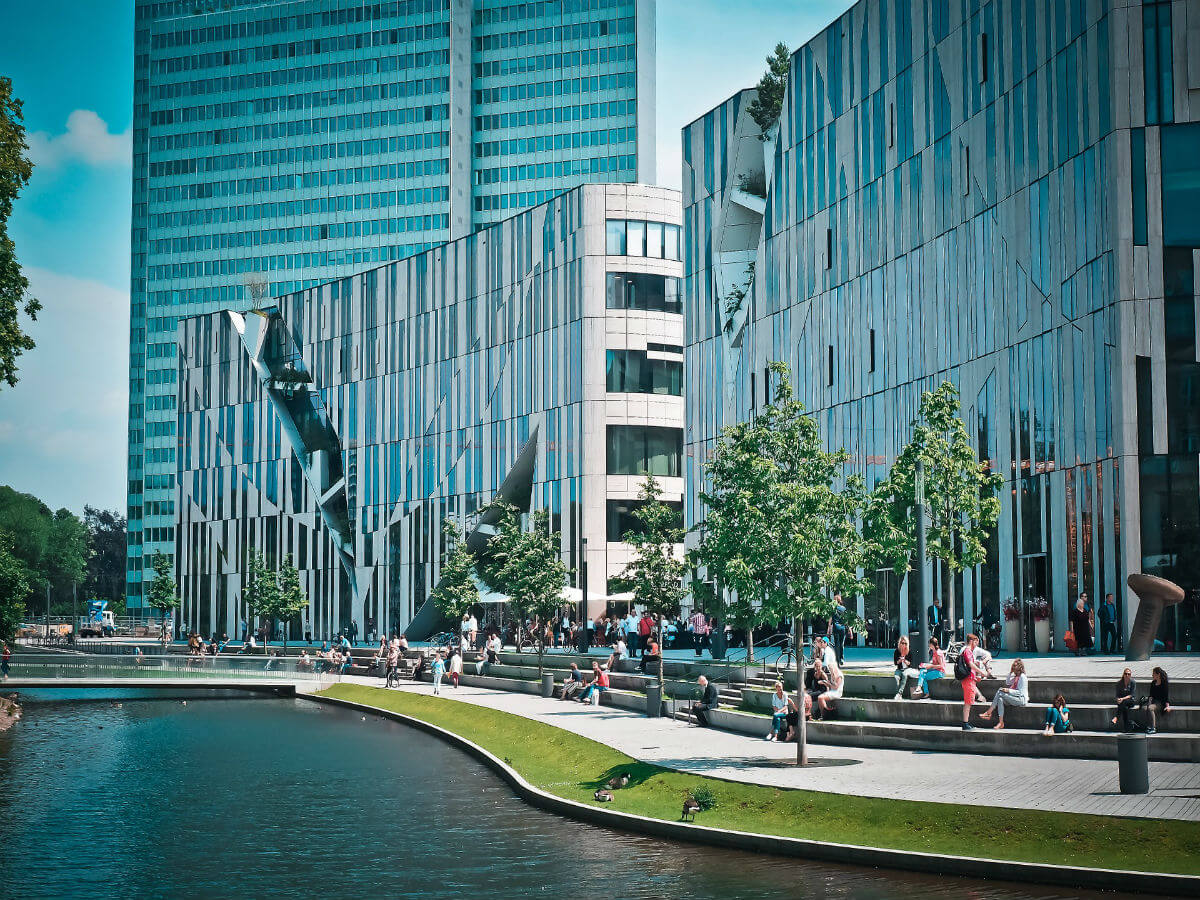
Germany’s business and financial centre, Dusseldorf, was founded in the 13th century. The city is split by the River Rhine, with Altstadt on one side and the modern commercial district on the other. The old town is famous for its historical sights, quaint bars and pubs, and partially preserved buildings of Medieval Europe. It is also a great shopping and fashion destination, especially around Konigsallee, where you’ll find luxury brands and boutique shops.
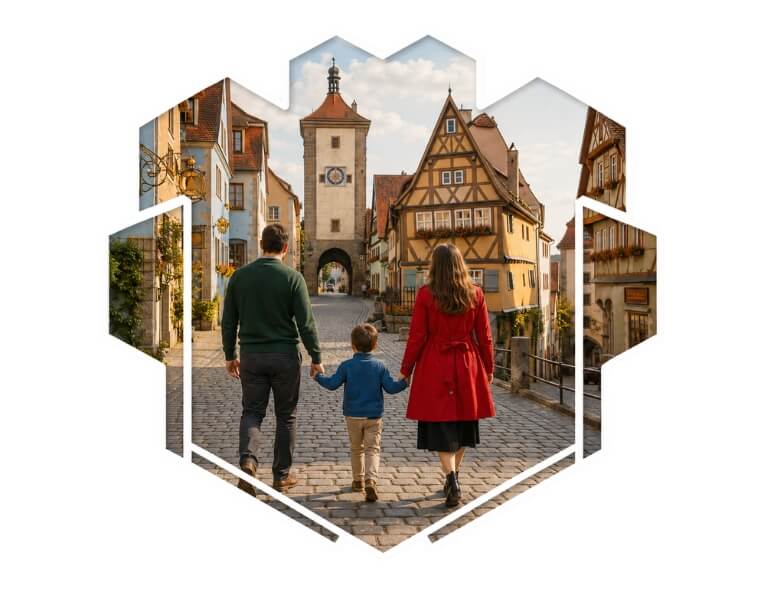
Nuremberg is a beautiful medieval city with an old-world charm thanks to its half-timbered buildings and the 12th-century Imperial Castle. Tourists also visit the Trials Museum for a first-hand account of Nazi crimes documented through audio testimonies from witnesses, photos, and other original documents. The city is also renowned for its Christmas Markets, where you can buy traditional and local handicrafts, including Rauschgold angels, wooden nutcrackers, and the well-loved Zwetschgenmannie or prune men. During World War II, the city was destroyed but rebuilt to its somewhat pre-war appearance.
While German cuisine isn’t as popular as Italian or French food, it is undoubtedly mind blowing with its sheer variety of bread, sausages, and beer—yes, the latter is considered food in some German cities. German cuisine is heavy on meat, bread, and potatoes, with potato salad or kartoffelsalat being a popular holiday favourite. You’ll also love the rich and decadent desserts ranging from the famous Black Forest cake (schwarzwalder kirschtorte) to the warm apple strudel. Here are some classic German delicacies you must try during your German tour packages:
Bread is an important part of German food culture – so much so that dinner is called Abendbrot or evening bread. With over 3000 varieties of bread, it’s no wonder that UNESCO has listed German breadmaking art as an intangible cultural heritage. Classic bread includes rye bread like pumpernickel and Schwarzbrot, wheat bread or Weissbrots, Brotchen or German bread rolls, and a wheat-rye combination bread called Weizenmisch. Pretzels are a popular snack while hornchens are equivalent to the Frenc croissant. There’s also bread for special occasions – Hefezopf, or sweet bread for Easter and Christmas. Stollen is another Yuletide favourite flavoured with raisins, candied fruits, almonds, and spices.
Beer is another important aspect of German food culture, with the average German drinking around 92 litres of beer yearly. But what makes it special is the sheer variety of over 7000 varieties, ranging from the very popular pilsner to the rare Aecht Schlenkerla, a potent beer with a smokey flavour. While the Germans didn’t invent beer making, they certainly mastered the art thanks to German monks who perfected the art as beer kept them nourished during their fasting periods. If you’re a beer aficionado, remember to include beer related activities like beer hikes, brewery visits, and beer seminars in your Germany tour package itinerary. If you don’t like the taste of beer but want to sample it, try beer concoctions, i.e., beer mixed with non-alcoholic fillers like lemonade, ginger ale, or orange juice.
Some popular beer concoctions include Shandies, diesel (beer mixed with cola), and Potsdamer (beer mixed with soda).
Sausages or wurst are integral to German cuisine. Each German consumes around 30 kg of sausages per year. Over 1500 varieties of sausages exist, including the popular bratwurst, currywurst, Frankfurter, and weisswurst. Sausages are part of every meal in Germany, they’re added to soups and stews, pizzas, salads, and pasta, and they’re even substituted for patties in burgers. Germans also have sausage snacks, viz., Ketwurst And Currywurst.
A word of caution, though: some of these could include beef or pork, so make sure you check the ingredients before trying one.
This could easily be Germany’s national food, considering its popularity among Germans. The doner was initially introduced as a sandwich in Germany around the 1970s by Turkish immigrants who came to the country to help with its post-war rebuilding. Over 2 million doner kebabs are consumed every day in Germany. Even within Germany, there are different variations. For instance, while in Nuremberg, the buns are long and thin, in Munich, they’re round. Some shops in Stuttgart even include potatoes in their doner.
This classic German dessert was first invented in the Black Forest region by Josef Keller, a pastry chef, during the 1930s. It is called Schwarzwalder Kirschtorte in Germany and includes very few key ingredients, including chocolate cake, cherries, whipped cream, and Kirschwasser, a clear spirit made using distilled sour cherries.
Some other local German foods you must try in the country include Sauerbraten or pot roast made using beef (or lamb, mutton, pork, or horse), pretzels, schnitzel, sauerkraut, and Kasespatzle.
Germans may love to shop, but the concept of malls isn’t as well-developed in the country as in the United States or Dubai. Instead, you will find plenty of Big Box stores in the suburbs. While some are do it yourself stores, others are all in one hyper stores where you can buy everything from groceries and beverages to clothes and even pet supplies. Aldi and Lidl are equally popular in the country.
However, the best places to shop are small shops that sell anything from glassware and leather goods to sports equipment and antiques. Christmas is an excellent time for shopping, thanks to the markets across every city in the country. The Nurnberg Christmas market is the most famous of all, selling, among other things, the celebrated Lebkuchen, a rich honey-spiced cookie. These markets last for over a month until the first week of January.
Unlike in the US, Haribo gummies in Germany are made using natural colours and have a natural flavour profile close to that of real fruit. Where to buy: Haribo outlets are across German super markets.
Birkenstocks are famous German sandals thanks to their casual vibe and comfort. The specially designed footbed helps relieve foot pressure and provides arch support. Since they are very expensive in India, you can buy them as souvenirs for loved ones, especially the elderly. Where to buy: Birkenstock outlets in supermarkets.
Germans are very particular about using the right glass for every beer type they sell. For instance, pilsner glasses are tall and slender with a tapered end but a wide opening. This is different from a Weizen with a wider curve in the end. A Stange glass is used for delicate beers like Kolsch or Alt. And if you are looking for something fancier, buy beer steins made using wood, porcelain, crystal glass, or stoneware. Where to buy: Local flea markets are a great place to buy affordable beer glasses.
The Black Forest region is famous for handcrafted cuckoo clocks. Unlike ordinary clocks that work on electricity or battery, these clocks run on gravity. There are many types of cuckoo clocks, including modern ones with minimalist design. Traditional cuckoo clocks are known for their intricate designs and the complex mechanism that makes them work. Where to buy: cuckoo clock shops and souvenir shops in the Black Forest region.
Some of the other souvenirs you must buy in Germany include chocolates, kitchenware, German watches, and Christmas tree decorations.
Germany is famous for its vibrant art scene. Berlin is especially popular for its graffiti artwork, with a dedicated museum for street art, graffiti, and urban contemporary art. When in Berlin, don’t forget to check out the city’s coolest street art from masters like Banksy and Shepard Fairy. Some of the best places to explore street art include Friedrichshain, Mitte, Kreuzberg, and Prenzlauer Berg.
But German art isn’t confined to contemporary art. It has a long and rich tradition of art, with famous artists like Albrecht Durer and Hans Holbein. Some famous paintings include Albrecht Durer’s Melencolia, Emil Node’s Stormy Sea, and Max Ernst’s The Elephant Celebes.


Share your travel dates and preferences. Our experts will create a personalised holiday for you.
☎ +91 83675 01501
✉ travelguru@gmail.com