
Jharkhand is famous for its forests, mineral wealth, cascading waterfalls, mighty mountains, and holy sites.

Situated in eastern India is a destination that is largely unexplored by tourists, and that’s the state of Jharkhand. While it shares certain aspects of its culture with the neighbouring state of Bihar, the unique dimensions of its customs and traditions are immensely intriguing and worthy of being explored by travellers everywhere. After all, who wouldn’t want to witness a place that’s brimming with religious destinations, mountains, forests, waterfalls, and national parks, right? You will be greeted with all of this and much more after availing our Jharkhand tour packages. Let’s do a deep dive into the history, culture, cuisine, tourist attractions, and shopping scenes of Jharkhand so you can know why you need to book your trip immediately.
Situated in eastern India is a destination that is largely unexplored by tourists, and that’s the state of Jharkhand. While it shares certain aspects of its culture with the neighbouring state of Bihar, the unique dimensions of its customs and traditions are immensely intriguing and worthy of being explored by travellers everywhere. After all, who wouldn’t want to witness a place that’s brimming with religious destinations, mountains, forests, waterfalls, and national parks, right? You will be greeted with all of this and much more after availing our Jharkhand tour packages. Let’s do a deep dive into the history, culture, cuisine, tourist attractions, and shopping scenes of Jharkhand so you can know why you need to book your trip immediately.
Before the British arrived in Chota Nagpur, the region was ruled by chiefs of numerous indigenous groups. In 1765, the area, which is now known as Jharkhand, came under British rule as a part of Bihar. During the late 18th and early 19th centuries, the British eventually amplified their control over the areas located north of modern-day Jharkhand. Revolts against the British occasionally took place in Chota Nagpur during this period. Two of the most significant revolts from this time were the Ho revolt and Munda Rebellion. Jharkhand’s history coincided with the history of Bihar right from the time of the British expansion till the start of the 21st century. In November 2000, Chota Nagpur was segregated from Bihar, which led to the formation of Jharkhand.
Since the beginning of the 21st century, the government of Jharkhand has been actively trying to accelerate its development and economic planning. Some of the sectors that contribute to the economy of Jharkhand are agriculture, transportation, infrastructure, information technology, and local craft production. Given that the agricultural sector is a vital part of Jharkhand’s economy, it’s natural that about 75% of the state’s population is employed in this sector. Some of the major crops grown in Jharkhand are rice, wheat, maize, pulses, potatoes, and oilseeds.

| Category | Details |
| State | Jharkhand |
| Currency | The Indian Rupee (INR) |
| Capital City | Ranchi |
| High season | October to March |
| State Flower | Palash |
| Standard Voltage | 230 volts |
| State Animal | Indian Elephant |
| Languages | Official language: Hindi ; unofficial languages: Khortha, Magahi, Bhojpuri, Mundari |
| Famous Tourist Attractions | Betla National Park, Dassam Falls, Maithon Dam, Rock Garden, Jagannath Temple, Tata Steel Zoological Park |
| Things To Do | Trekking, paragliding, rock climbing, parasailing |
| Famous Food | Litti chokha, chilka roti, malpua, dhuska, aloo chokha, rugra |
| Places To Visit | Ranchi, Jamshedpur, Deoghar, Dhanbad |
| Souvenirs To Buy | Jewellery, paintings, metal crafts |
Looking for a reason to visit Jharkhand? Travel Guru can provide you with multiple reasons why you should grab our Jharkhand tour packages right away:
Jharkhand, popular for being the ‘land of forests’, provides shelter to various kinds of wildlife in its dense forests. It’s a haven for wildlife enthusiasts, as you can spot a wide array of animals in the state. This includes sloth bears, deer, wild boars, sambar deer, hyenas, jackals, wolves, panthers, langurs, giant squirrels, elephants, and tigers. Some of the best wildlife sanctuaries and national parks you must visit in Jharkhand are Betla National Park, Palamau Tiger Reserve, Hazaribagh Wildlife Sanctuary, Topchanchi Wildlife Sanctuary, and Dalma Wildlife Sanctuary.
The cuisine of Jharkhand is known for its earthy and rustic flavours. Despite being simple, it’s delightfully aromatic and relies quite a bit on locally sourced ingredients, such as wild greens and bamboo shoots. Be it sweet dishes or savoury ones, the foods in the state are eclectic and unique. A couple of the Jharkhandi dishes you must taste during your holiday are malpua, aloo chokha, litti chokha, chilka roti, and dhuska.
The scenic beauty of Jharkhand knows no bounds, with the landscape of the state including serene waterfalls, thick forests, and majestic mountains. In addition to the wildlife sanctuaries and parks, the other scenic destinations you can visit in Jharkhand are Rock Garden, Dassam Falls, Parasnath Hills, Patratu Valley, Kanke Dam, and Ranchi Lake.
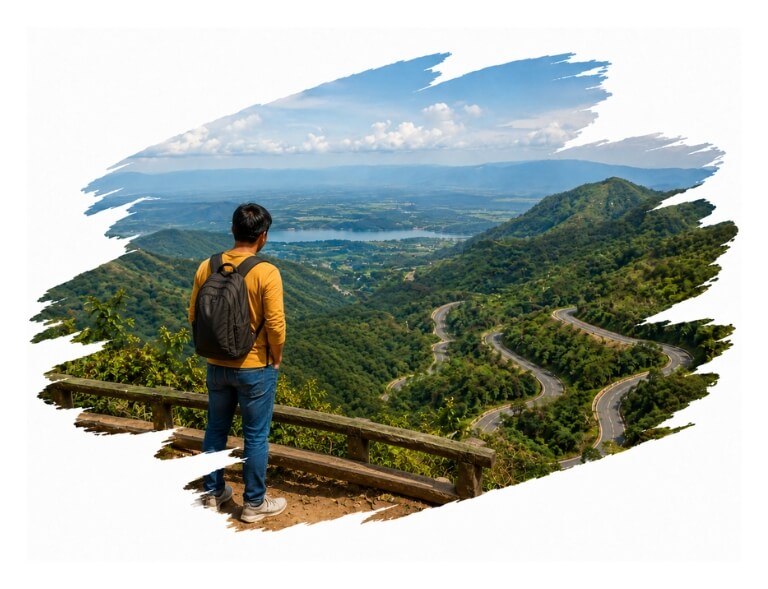
The culture of Jharkhand is reflected in numerous ways, right from its tribal communities to the notable architectural sites. The state’s culture also shines through in the form of the various items created by its artisans. These include tribal jewellery, bamboo products, wood crafts, and metal crafts. You can also witness the multiple folk dances that are performed by the artists in Jharkhand during special events and festivals, such as chhau dance, paika dance, domkach dance, and karam dance.
Jharkhand experiences three seasons every year, namely summer, monsoon, and winter. Let’s take a look at what each season in Jharkhand is like so that you can accordingly decide when to book our Jharkhand tour packages:
During the summer season, the temperature in Jharkhand ranges from 20 degrees Celsius to 39 degrees Celsius. The state experiences really hot and uncomfortable days at this time, thereby making it an unfavourable season for tourists. In areas such as Jamshedpur, the temperature can even go up to 45 degrees Celsius. If you do, however, decide to visit Jharkhand at this time, make sure to carry light and comfortable clothes, hats, and sunscreen. Stay adequately hydrated, as it’s the only way to survive the heat in Jharkhand.
The temperature during the monsoon season in Jharkhand ranges from 24 degrees Celsius to 30 degrees Celsius. The lush greenery of Jharkhand, which is often called ‘the land of forests’, amplifies during the rainy season. The humidity increases at this time, and some cities like Jamshedpur and Ranchi experience pretty heavy rainfall. Despite the rain bringing about some respite from the hot summer days, sightseeing becomes difficult during the monsoon due to the damp roads and waterlogging issues. This is considered a good time to engage in adventure sports such as kayaking, rock climbing, and trekking.
Since this is the shoulder season, remember to book our Jharkhand tour packages in advance to get some discounts and offers on flights and hotels. Make sure to carry the appropriate raingear and comfortable footwear if you travel to Jharkhand at this time.
Winter is considered the best time to visit Jharkhand because of the comfortable chill in the air and the pleasant weather. The temperature during the winter days oscillates between 2 degrees Celsius to 27 degrees Celsius. It’s best to make your bookings early on if you plan on travelling to Jharkhand at this time since this is the peak tourist season. Dressing up in layers is wise, and also carry winter essentials such as lip balms, moisturisers, and nourishing body lotions to protect your skin from the cold.
Ranchi is the capital city of Jharkhand. Ranchi was once known as the summer capital of Bihar due to its altitude, forests, and waterfalls. The city is located at a height of 700 metres and has 40% of the total mineral reserves of India. In fact, the abundance of natural resources that Ranchi is home to has given it the title of the ‘Manchester of the East’. Some of the best tourist attractions to visit in Ranchi are Pahari Mandir, Jagannath Temple, Dassam Falls, Patratu Valley, Rock Garden, and Kanke Dam.
Jamshedpur is known to be one of India’s first planned industrial cities. The city was named after Jamshedji Nusserwanji Tata, who was the founder of the Tata Group. Several nicknames and titles have been bestowed upon Jamshedpur, such as ‘the steel city of India’ and Tatanagar. When you explore Jamshedpur with Travel Guru’ Jharkhand tour packages, make sure to visit the Tata Steel Zoological Park, Bhubaneshwari Temple, Jubilee Park, Dalma Wildlife Sanctuary, and Sir Dorabji Tata Park.
Deoghar is among the most significant holy destinations in India because of the presence of the Baba Baidyanath Dham, which is one of the 12 Jyotirlingas. Dedicated to Lord Shiva, the temple is considered one of the sacred abodes of the revered Hindu god, Lord Shiva. The version of Lord Shiva that’s worshipped at the temple is Baidyanath, the healer. The name of the city is derived from the words ‘deva’ which means ‘deity’ and ‘ghar’, which means ‘abode’. The spiritual significance of Deoghar makes sense since the name of the city literally translates to ‘abode of the gods’. The tourist places that are absolutely worth visiting in Deoghar are the Baidyanath Temple, Naulakha Temple, Satsang Ashram, Trikut Pahar, and Hathi Pahar.
Dhanbad is renowned to be the coal capital of India as it’s home to 112 coal mines. The city produces 27.5 million metric tonnes of coal every year. It’s home to one of the most prestigious academic institutions in India, which is the Indian Institute of Technology (Indian School of Mines) Dhanbad or IIT Dhanbad. Dhanbad is filled with several tourist spots, such as Shakti Mandir, Maithon Dam, Panchet Dam, Birsa Munda Park, Bhatinda Fall, and Topchanchi Lake.
Availing our Jharkhand tour packages allows you to partake in all the thrilling adventurous activities that Jharkhand has in store for tourists. It also helps you explore the wildlife, culture, and natural beauty of the state. Listed below are the best tourist attractions to visit in Jharkhand and the outdoor adventures to participate in:
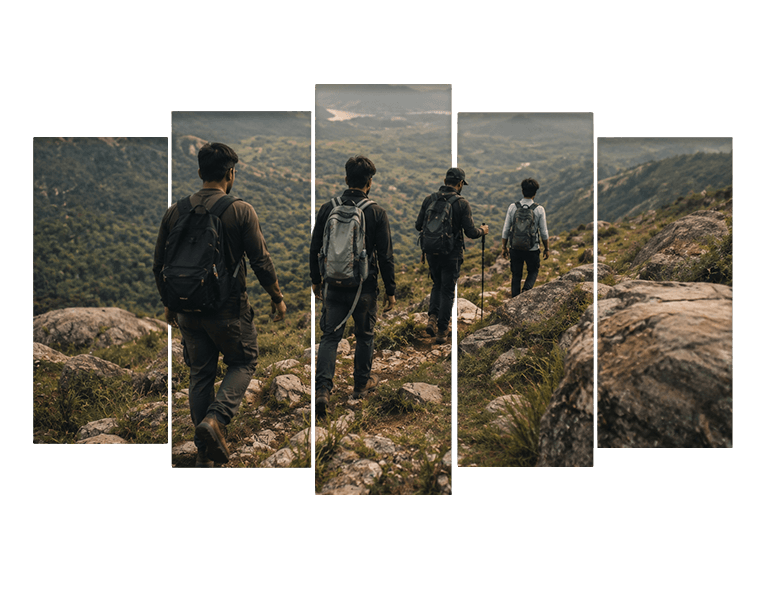
Betla National Park is a national park situated in the Palamu and Latehar districts of Jharkhand. Spread over an area of 226.33 sq km, it forms a part of the Palamau Tiger Reserve. The name of the park, Betla, is an acronym for the animals found within the park, namely bison, elephant, tiger, leopard, and axis axis (chital). It was one of the first national parks in the country under Project Tiger, which was launched in 1973. Home to more than 200 species of birds, it’s a haven for birdwatchers everywhere.
Parasnath Hills are a range of hills situated in Jharkhand’s Giridih district. The hills are located at a height of 4,480 feet above sea level and are named after the 23rd Tirthankara of Jainism named Parshvanatha. They are home to the Shikharji Temple, which is one of the holiest pilgrimage sites for Jains. The people belonging to the Jain community have a different name for the Parasnath Hills. They call them ‘Sammed Shikhar’ which translates to ‘great mountain’.
Dassam Falls, also known as Dassam Ghagh, is a waterfall situated about 40 km from Ranchi. River Kachni is the major water source of this waterfall. Falling from a height of 144 feet, tourists are advised to neither enter the water nor swim in it due to the uneven terrain and strong currents. The best time to visit Dassam Falls is during the monsoon season, between July and September. The unique feature of this waterfall is that once the water hits the base, it disintegrates into multiple streams, thereby creating an illusion of several waterfalls cascading down at the same time.
Maithon Dam is a dam situated about 48 km from the city of Dhanbad. The Damodar Valley Corporation (DVC) established the dam in 1948. Founded by Jawaharlal Nehru, the dam was developed to generate electricity and control flooding. The name of the dam is derived from the phrase ‘Mai ka sthan’ or ‘Mayer sthan’ which literally translates to ‘mother’s abode’, referring to the peaceful abode of the Hindu goddess, Maa Kalyaneshwari.
The Rock Garden in Ranchi is situated about 4 km away from the Albert Ekka Chowk. It was constructed using the rocks of the Gonda Hill in Ranchi. The garden is open every day from 10 am to 7 pm with an entry fee. The garden is open every day from 10 am to 7 pm with the ticket price being INR 20 per person. Tourists can also visit the Kanke Dam, which is located near Rock Garden. An interesting feature of this place is that it has a jhula made of iron rods with two edges.
The Jagannath Temple in Ranchi is a smaller replica of the famous Jagannath Temple in Puri in Odisha. The temple is dedicated to Lord Jagannath, and was built in 1691 by Thakur Ani Nath Shahdeo, who was the king of Barkagarh Jagannathpur. However, in 1990, the temple collapsed due to numerous factors. The Government of Bihar began repairs on it in 1992, resulting in the architectural marvel it is today. The Rath Yatra is a significant festival that is celebrated in the temple every year.
The Tata Steel Zoological Park covers a total area of 62 acres and was opened to the public in 1994. In 2017, the Central Zoo Authority (CZA) recognised it as a ‘Medium’ classification zoo. Some of the animals you can find at this spot are leopards, sloth bears, striped hyenas, sambar deer, Indian hog deer, and the African lion. The Tata Steel Zoological Park was remodelled and inaugurated in January 2022.
The following are some of the best souvenirs to buy from Jharkhand and the places to shop from during your trip:
Paitkar paintings are one of the oldest kinds of tribal paintings in India. These scroll paintings depict the mythology, religious beliefs, worldview, and the day-to-day realities of the tribal community. Various folk tales, religious themes, and mythological narratives can be seen in these paintings.
Jharkhand is known for its wealth of natural resources and lush green forests. The bamboo found here is thin yet flexible and durable. Some of the bamboo-based products you can buy from Jharkhand are fishing equipment, bamboo baskets, and bamboo hunting tools.
The abundance of forests in Jharkhand also means that the state has large quantities of wood that are used to create numerous kinds of souvenirs. The craftsmen and artisans of Jharkhand make use of the available wood to produce a wide variety of household items. This includes utensils, furnishings, doors, and boxes.
Tribal jewellery is a popular kind of souvenir found in Jharkhand. These are available in both modern and traditional designs. Some of the unique types of ornaments you will find here during your trip are hasulis, thelas, tarpat, and jhumkas.
Jharkhand has a varied and rich cuisine that is connected to the diversity of the tribal and non-tribal communities living in the region. The state’s flora and fauna have strongly influenced the food habits of its residents, owing to the presence of numerous forests, birds, and wild animals. The cuisine of Jharkhand is primarily vegetarian, and you will find plenty of pulses, rice, and green leafy vegetables being used in the local dishes. Rice and millets are some of the staple foods of Jharkhandi cuisine. Let’s explore some of the most delicious foods of the region that you absolutely must try while visiting the state with Travel Guru’ Jharkhand tour packages:
The fact that Jharkhand’s cuisine is quite similar to Bihar’s cuisine is evident from the fact that litti chokha is a beloved dish in both these states. Litti refers to roasted wheat flour balls containing a stuffing of roasted gram flour. The chokha refers to a mashed vegetable mixture made using boiled potatoes, tomatoes, and roasted eggplants.
Chilka roti is prepared with besan and rice flour and is a common dish made during festivals and special occasions. It’s slightly similar to the dosas that are popular in South Indian cuisine, and yet has a distinct taste of its own. The dish is usually served alongside yam curry, chana dal chutney, or mutton curry.
Malpua is a sweet dish that’s commonly made in Jharkhand and Bihar. It’s particularly made during the festival of Holi. You can almost think of malpuas as Indian-style pancakes. The ingredients that go into making these deep-fried pancakes are milk, flour, and sugar. Once they are soaked in a sugary syrup made from saffron and cardamom, they develop an alluring aroma.
Dhuska is a popular breakfast item in Jharkhand. The dish is made using a batter of rice and lentils. The batter is deep fried until it turns golden and crispy. It is usually served with chutney and ghugni (a curry made using chickpeas) or potato curry.
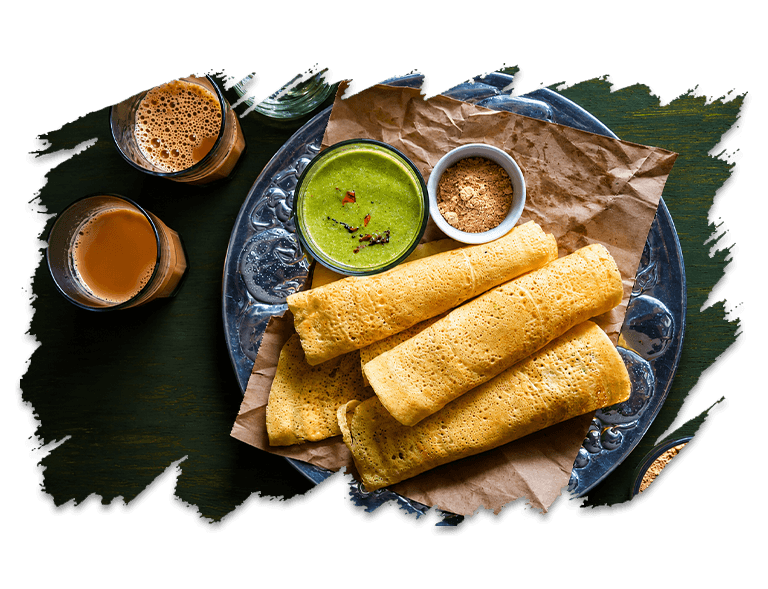
Aloo chokha is another dish that’s popular in both Bihar and Jharkhand. The ingredients that are used to make this traditional dish are potatoes, onions, mustard oil, garlic, hot peppers, lemon juice, coriander, black pepper, and salt. Once the potatoes are boiled and mashed, they are left to cool. The onions are combined with a mixture of lemon juice, coriander, mustard oil, hot peppers, and garlic. After combining this mix with salt and pepper, they are then stirred into the potatoes. Aloo chokha is usually eaten along with rice or roti.
Rugra is a rare edible mushroom that grows only in Jharkhand during the rainy season. It’s usually eaten along with rice or chapati, and is cooked in the form of a semi-gravy dish or stew. Popularly known as the vegetarian mutton of Jharkhand, rugra is high in proteins and minerals.
The folk dances of Jharkhand are usually accompanied by folk music, colourful costumes, and rhythmic patterns. These are often performed during social gatherings and festivals. There is the Chhau dance, a semi-classical dance form that combines folk traditions and martial arts. It’s usually performed at night in an open field. There is the Paika dance, which is regarded as a martial dance by the Munda tribal community of the state. It’s usually performed during religious processions or to welcome special guests. Some of the other folk dances prevalent in Jharkhand are Domkach dance, Karam dance, Hunta dance, and Phagua dance.
The art and craft of Jharkhand are a reflection of the culture of the state’s tribal communities. Paitkar paintings are a common art form in the state, combining storytelling and creative expression. Back in the day, singers carried these traditional scroll paintings from one door to another, sharing stories and performing songs. Another popular kind of painting in Jharkhand is sohrai painting, which is usually practised in the villages of Hazaribagh. This art form is part of a matriarchal tradition wherein the painting skills are passed on from mothers to their daughters. Terracotta crafts and clay products are popular craft forms in Jharkhand as well.
Jharkhand is famous for its forests, mineral wealth, cascading waterfalls, mighty mountains, and holy sites.
Jharkhand is bordered by five states, namely Bihar, Uttar Pradesh, Chhattisgarh, Odisha, and West Bengal.
Netarhat is known as the 'Queen of Chotanagpur'.
We suggest you set aside seven days for a trip to Jharkhand.
May is usually the hottest month in Jharkhand.
Some of the hill stations located in Jharkhand are Netarhat, Tagore Hill, Parasnath Hill, and Canary Hill.
Handia is one of the most popular drinks in Jharkhand.
Jharkhand was known as Kark Khand in the Mahabharata.
The main airport in Jharkhand is the Birsa Munda Airport.
Ranchi is known as the 'city of waterfalls'.
Share your travel dates and preferences. Our experts will create a personalised holiday for you.
☎ +91 83675 01501
✉ travelguru@gmail.com