
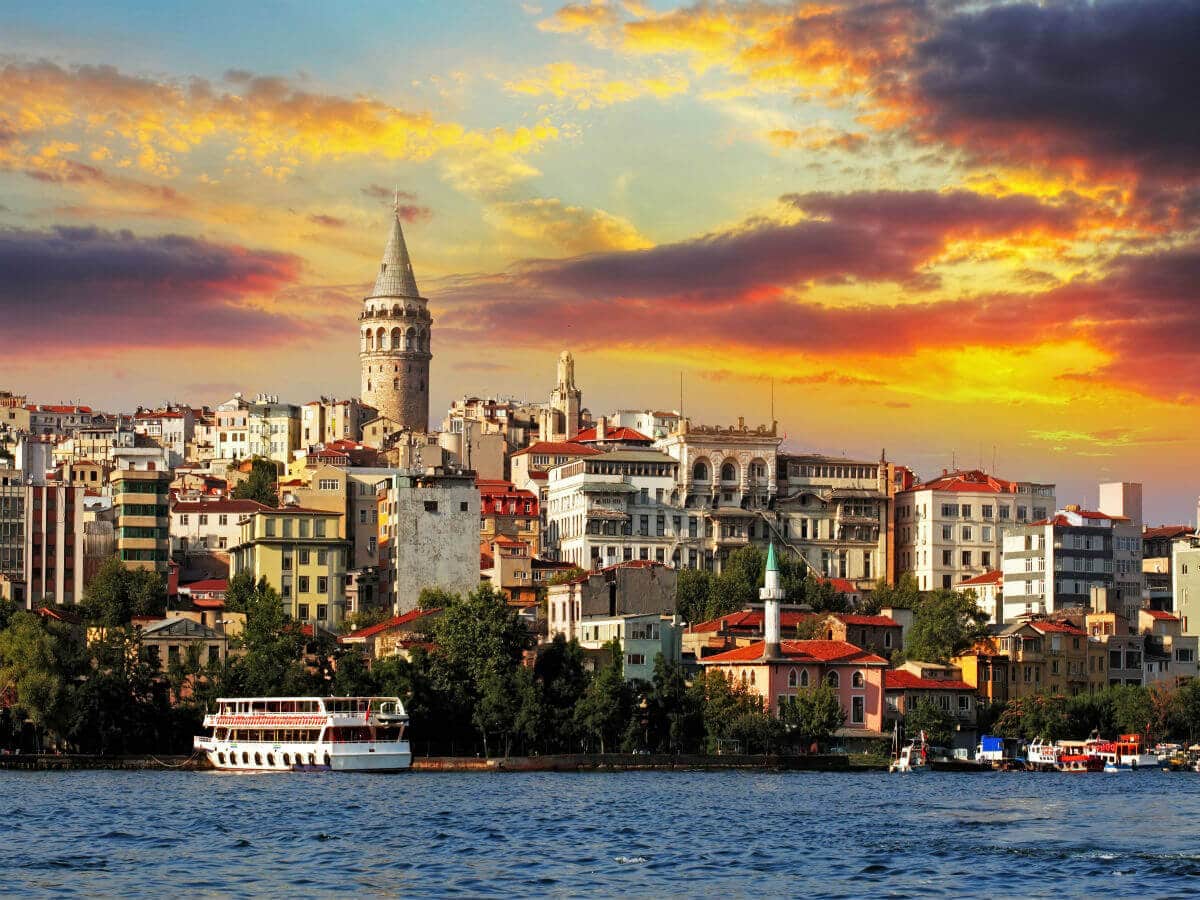

When we think of Europe, quite a few exotic and popular destinations come to mind. However, Bulgaria is a country brimming with natural beauty that is often overlooked as a holiday option. Located in the Balkans, Bulgaria is a land of unmatched beauty and off-the-beaten-track experiences.
Bulgaria has endless options for tourists, from delicious cuisine and serene beaches to tall mountains and epic scenery. If you wish to explore this country’s gems, our Bulgaria tour packages offer the best chance to do so.
Bulgaria is part of the Balkans and one of the oldest European countries. It was founded in 681 by Khan Asparuh. Its capital, Sophia, was founded in the 7th century and is the third oldest capital of Europe. The Bulgarian Empire adopted Orthodox Christianity in the 8th century.
The Asen Dynasty ruled Bulgaria until 1396, when it became part of the Ottoman Empire. In October 1908, Bulgaria declared its independence from the Ottoman Empire. Despite 500 years of Ottoman rule, the country managed to preserve its culture thanks to the hundreds of monasteries run by the Orthodox Church. Today, much of the Christian population in Bulgaria continues to be Orthodox. But there are also Jews, Roman Catholics, Muslims, and Protestants in the country.
After World War II, the country adopted Communism for over thirty years until June 1990, when it held its first free and fair elections. A new Constitution was formed in July 1991, and the country joined the North Atlantic Treaty Organization (NATO) in 2004. In 2007, Bulgaria joined the European Union.

| Bulgaria Tour Packages | Duration | Highlights |
| Exploration of Sofia | 2 Nights 3 Days | Patriarchal Cathedral of St. Alexander Nevsky, Boyana Church, Ivan Vazov National Theatre |
| Category | Details |
| Official Name | The Republic of Bulgaria |
| Currency | Bulgarian lev |
| Capital City | Sofia |
| National Animal | Lion |
| National Flower | Damask Rose |
| Languages | Bulgarian, Russian, English |
| High Season | June to August (Summer) |
| Visa Details | 30-day Schengen Tourist Visa |
| Famous Tourist Attractions | Patriarchal Cathedral of St. Alexander Nevsky, Boyana Church, Ivan Vazov National Theatre, Rila Monastery |
| Things To Do | Kayaking, trekking, mountaineering, mountain biking, snowboarding, skiing, canyoning |
| Famous Food | Banitsa, lyutenitsa, shopska salata, lukanka, tarator |
| Places To Visit | Sofia, Varna, Plovdiv |
| Souvenirs To Buy | Rose-based products, Bulgarian cheese, martenitsa, rakia |
Bulgaria is one of Europe’s hidden gems, with beautiful landscapes, unique history, incredible architecture, and fascinating culture. Here are some reasons to book our Bulgaria tour packages immediately.
Bulgaria consistently ranks among the cheapest European countries for Indians. The visa processing fee is around INR 8000 for a 30-day tourist visa (service charges not included). Public transportation is affordable and excellent. Within Sofia, you can use subways, buses, trams, and trolleys to get around. A one-way metro ticket costs around 1.60 BGN, around ~INR 80. 3-star hotels cost around ~INR 7,000 per night.
But if you choose to live in self-catering accommodation, basic essentials are also cheap. For instance, a regular loaf of white bread costs around ~ INR 35, while a dozen eggs could cost around ~INR 40.
From the glory of mountains and forests to the calming presence of beaches, lakes, and rivers, the landscapes of Bulgaria have it all. Bulgaria is a nature lover’s paradise with the majestic Balkan Mountains on one side and the pristine beaches along the Black Sea coast on the other. In addition, you can explore alpine lakes, limestone rock formations, caves, and picturesque villages with their Rhodopean architecture. With their cobblestone streets and stone-built houses with intricately carved wooden details, these villages make you feel like you have returned in time. An example is the Old Town of Nessebar, the Pearl of the Black Sea.
Bulgaria’s vast history is evident through its ancient monuments and enticing architecture. The country is home to over 9 UNESCO World Heritage Sites that will leave you in awe of their intricate details and designs. Some examples of such architectural marvels are the Thracian Tomb of Kazanlak, Boyana Church, Rila Monastery, and the Ancient City of Nessebar.
Meat and dairy are prominent features of Bulgarian cuisine. In fact, Bulgarian yoghurt is unique and found nowhere in the world thanks to two strains, Lactobacillus delbrueckii subspecies bulgaricus (L. bulgaricus) and Streptococcus thermophiles. These bacterial cultures are native and specific to Bulgaria.
The country’s cuisine has a heavy Ottoman influence, with plenty of Middle Eastern dishes like moussaka, baklava, and shish kebabs featured prominently on the menu. The shop ska salad, or roast pepper and tomato salad, is another favourite.
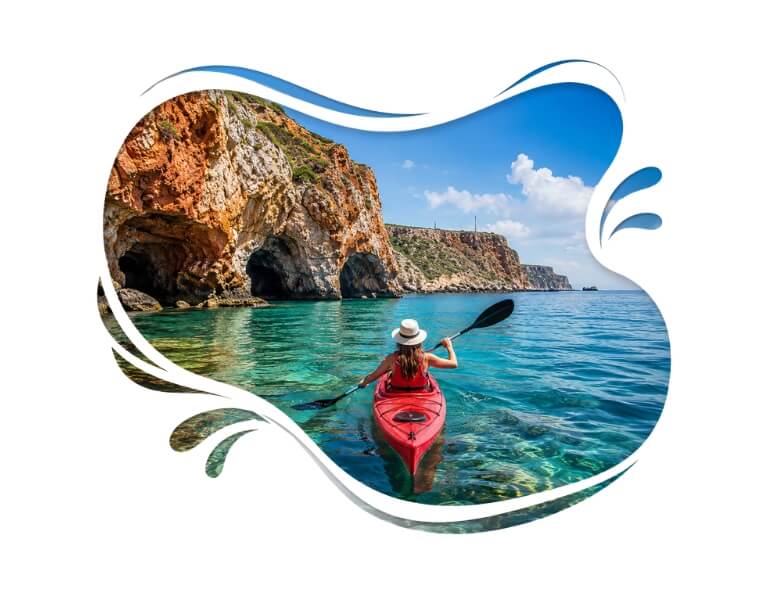
The Bulgarian Black Sea Coast encompasses the country’s eastern edge. With its windy cliffs and sandy beaches, it’s a beloved spot for relaxation and recreational activities among tourists. Some beaches like Lipite and Kara Dere are secluded and far from the tourist crowd. To enjoy Bulgaria’s rare flora and fauna, visit Bolata Beach, part of the Kaliakra Nature Reserve. For beachside fun and restaurants, visit Gradina Beach. And if you love windsurfing, explore Primorsko North Beach.
Bulgaria is very safe for travellers, with a relatively low crime rate. The country has avoided war conflicts in the last couple of decades. While petty thefts, inflated bills, and fake exchange rates are things to be careful of, tourists will be fine if they avoid wandering deserted streets at night. The country ranks 28th globally and 18th in Europe in the 2018 Global Peace Index. It is much ahead of popular European countries like Spain, Italy, and France.
The locals are welcoming and happy to help. Since the country isn’t the hotspot for mass tourism, you don’t have to worry about scammers and petty thieves.
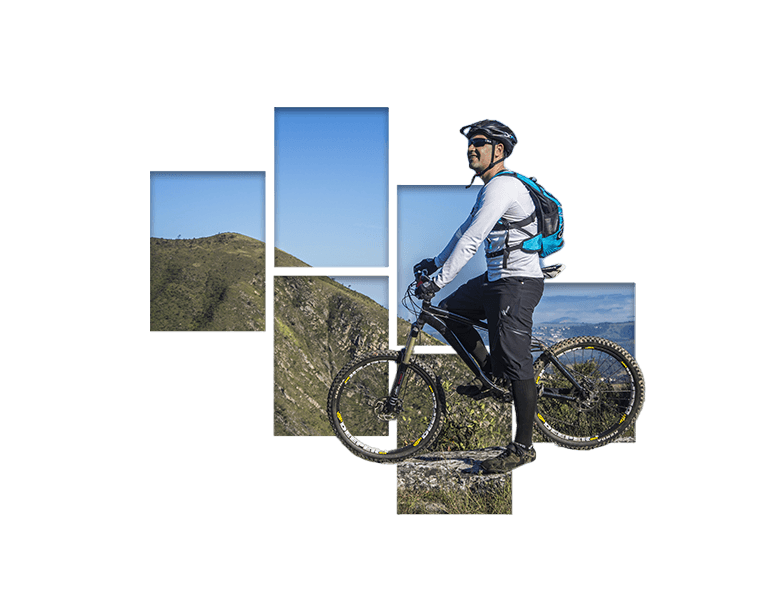
40% of Bulgaria is made up of mountains, providing the ideal opportunity to go hiking, skiing, and mountain climbing. Some of the most mesmerising mountains to visit in Bulgaria are the Rila Mountains, Pirin Mountains, Rhodope Mountains, Vitosha Mountains, and Stara Planina.
The best time to visit Bulgaria is during the summer season, which is between June and August. Although most tourists around the world have not discovered Bulgaria, it’s slowly gaining popularity. Hence, now is the right time to explore all its hidden gems. If you’re used to the scorching summers of India, then you will find the summer in Bulgaria quite pleasant. Tourists can also experience rainfall during the summer season.
Various factors determine the right time to book our Bulgaria tour packages. These include the activities you wish to enjoy, your budget, etc. Let’s dive in and explore what each season brings to Bulgaria.
The temperature during the spring season ranges from 10 degrees Celsius to 15 degrees Celsius. Tourists can enjoy the country’s mild weather at this time, with warm breezes flowing in from the Mediterranean Sea. With the onset of spring, snow melts slowly, and May brings about some rainfall.
If you wish to avail yourself of discounts on our Bulgaria tour packages, this is the ideal time as Bulgaria doesn’t see many tourists during the spring months. If you fly to Bulgaria in the spring, you can enjoy Orthodox Easter and the Day of Slavonic Alphabet.
Between June and August are the summer months in Bulgaria and the country’s peak tourist season. The temperature ranges from 19 degrees Celsius to 21 degrees Celsius. Travellers are seen throughout the country during the summertime, enjoying the beauty of Sofia and the coastal regions. These months are the hottest of the year, with June being the wettest month.
Since tourists flock to the country during this period, expect the flights and accommodations to be more expensive than usual. If you crave peace amidst the peak tourist crowd, you can travel to the mountainous areas or quaint towns, such as Rila or Vitosha, and stay in a mountain hut for a few days. You can catch a bunch of music festivals in Bulgaria during the summer, such as the A to Jazz Festival, Kavarna Rock Festival, and Sofia Rocks.
The autumn season in Bulgaria offers a bit of everything because while the days are relatively warmer, the evenings and nights are chilly. The weather is perfect for visiting both the mountains and the beaches. October does witness some rainfall, which is essential to note down if you plan to trek during your holiday. The temperature remains between 11 and 17 degrees Celsius during the fall months. There is the Cabbage Festival and the Răvășitul Oilor Festival to experience now.
If you live in South India, where the winters are pleasantly warm, winter in Bulgaria will be a unique experience. The average temperature ranges from -1 degree Celsius to -6 degrees Celsius. Make sure to carry plenty of warm and layered clothes. Not only does it get tremendously cold, but December also brings about snowfall.
Tourists tend to avoid the country at this time, which is why you can grab cheaper Bulgaria tour packages. Remember that many smaller towns could be inaccessible or shut down during winter. Snowboarding and ice skating are fun activities to enjoy amidst the snow.
Bulgaria is a land of scenic beauty. On the one hand, are the historical marvels and towering mountains, and on the other hand are the adventurous activities that every adrenaline junkie craves. Listed below are the places you must visit with your spouse and kids and the outdoor activities you can participate in:
The Patriarchal Cathedral of St. Alexander Nevsky is Bulgaria’s most important Orthodox church. It was built in connection with Bulgaria’s independence from the Ottoman Empire. After the Russian-Turkish War ended in 1878, the people of Bulgaria wanted to build a monument to honour the brave soldiers who had sacrificed their lives for the country.
The cathedral was named after Alexander Nevsky, the Prince of Novgorod and Kyiv. Construction took around 30 years, thanks to the ongoing wars that delayed construction. The church was ultimately opened in 1912. The tower suffered heavy damage during the Second World War.
Boyana Church is situated on the outskirts of Sofia. This UNESCO World Heritage Site consists of three buildings. Although the church’s construction started in the 10th century, it was completed a century later. A central wing was built in the 13th century, and more additions occurred in the 19th century.
A park was built around the church in 1917, securing its exterior. Despite the destructive threats and invasions, the church has remained intact. The paintings on the church’s interior walls are famous for having 89 scenes and nearly 240 human images. Since it dates back to the Middle Ages, it is one of the most well-preserved monuments in Europe.
The Ivan Vazov National Theatre is one of Bulgaria’s oldest and most authoritative theatres. Designed by the reputable architects Ferdinand Fellner and Hermann Helmer, it was completed in 1906. The tower suffered a major fire in 1923, after which it was renovated for five years by Martin Dülfer, a German architect.
Once new stage equipment was installed, the theatre was opened for shows in 1928. The southern façade of the structure was bombed during the Second World War, and the second balcony was severely destroyed, all of which was eventually rebuilt.
Rila Monastery is an imperative cultural spot in the southwestern Rila Mountains. In the 10th century, St. John of Rila founded Bulgaria’s biggest and most famous Eastern Orthodox monastery.
The tower faced a fire during the beginning of the 19th century, after which it was rebuilt between 1834 and 1862. In 1976, the monastery was declared a national historical monument, and it even became the list of UNESCO World Heritage Sites in 1983. Pope John Paul II visited the monastery in 2002 while on his pilgrimage to Bulgaria.
The Pirin National Park covers most of the Pirin Mountains in southwestern Bulgaria. It is sprawled over about 40,000 hectares and was declared a UNESCO World Heritage Site in 1983. The region is engulfed by limestone mountain landscapes, caves, waterfalls, glacial lakes, and forests.
The park is home to two nature reserves, of which Bayuvi Dupki–Dzhindzhiritsa is one of the oldest in Bulgaria. It was inaugurated in 1934 and became a part of the UNESCO Man and Biosphere Programme. Pirin National Park has 118 glacial lakes, with Popovo Lake being the deepest and most significant. The park’s fauna includes 45 mammals, 159 bird species, wolves, pine martens, and brown bears.
The Tsarevets Fortress is located in Veliko Tarnovo, northern Bulgaria. It is a medieval fortress complex that served as the centre of the Second Bulgarian Empire. The Bulgars and Slavs rebuilt and fortified the fortress between the 8th and 10th centuries, and the Byzantines rebuilt it again in the early 12th century.
The Ottoman army eventually captured the fortress, which became a centre of administration, trade, and religion for most of the medieval period. The Tsarevets Fortress underwent significant restoration during the 20th century. If you plan accordingly, you can also catch a light and sound show within the castle.
Vitosha Mountain is situated on the outskirts of Sofia and is a beloved spot for skiing, mountaineering, and hiking. The mountain was once an extinct volcano and is now covered in large boulders called moraines.
The mountain is divided into four parts and has 12 peaks, with Cherni Vrah being the highest point at 2290 metres. Duhlata, the longest cave in Bulgaria, is 18,200 metres long and close to the Bosnek village.
While Sofia may be the most visited city in Bulgaria, we know that the country is full of hidden gems that travellers must explore. That’s precisely what we provide to our customers. With our customised Bulgaria tour packages, you can select all the untouched regions of the country you wish to visit.
If you ever feel like you aren’t able to communicate with a local in the country, our tour representatives will provide you with the necessary guidance. Bulgarian cuisine is one that Indians might enjoy due to certain similarities with Indian food. Hence, our daily itineraries include meals at the best local restaurants so you can try out all the Bulgarian delicacies.
As you travel around Bulgaria with our Bulgaria tour packages, you will taste its delicious and unique cuisine. Some of the most common kinds of meat used in Bulgarian food are pork and chicken. Veal and fish are common ingredients on the menu. Lamb is an essential ingredient in Bulgarian cuisine, symbolically connected with traditions.
Certain Bulgarian dishes are also present in Serbia, Greece, and Turkey. However, the Bulgarians add their twist to the food to set them apart from their Balkan counterparts. Much like Indian cuisine, the food in Bulgaria utilises plenty of fresh fruits and vegetables, spices, and yoghurt. In fact, the high quality of their vegetables, fruits, and dairy products is something you will relish during your trip. The spices used in Bulgarian cuisine are milder than the ones used in Indian food, though. Let’s discuss the dishes you must try in Bulgaria, from salads and pastries to grilled items.
Banitsa is a pastry found in bakeries all over the country. Its filling consists of white cheese that almost resembles feta cheese. However, different varieties are available, such as ones filled with spinach, cabbage, onions, pumpkin, or mushrooms.
You can also go for the version with walnuts and apples if you have a sweet tooth. Bulgarians love banitsa for breakfast. Many combine it with boza, a thick, fermented malt beverage. Back then, banitsa with cheese was available only on Christmas and New Year’s Eve. However, it can now be found throughout the year at various street vendors, grocery stores, and kiosks.
A jar of lyutenitsa is a part of every household in Bulgaria. When you see a Bulgarian spreading a thick relish of tomatoes and peppers on their toast, you will know it is lyutenitsa. While many families continue to make it at home, small jars of lyutenitsa are commercially sold at various stores in the country. If you like a bit of tomato chutney with your food, you’re bound to enjoy the taste of this relish, which falls somewhere between a chutney and a spread.
The main ingredients used to make lyutenitsa are red peppers, tomatoes, sugar, salt, oil, and pepper. Some add cumin to the mix, too. Variations of the chutney can be found, with some also using hot peppers, parsley, garlic, carrots, and eggplant. You can pair this relish with bread, crackers, and toast. It’s a typical side dish with meat dishes such as meatballs and grilled meat.
Shopska salata is often said to be Bulgaria’s national dish. This traditional cold salad is common during summer. It’s made using onions, cucumbers, tomatoes, raw or roasted peppers, and Bulgarian cheese.
In the 1950s, the most prominent chefs in Bulgaria were asked to create a dish that would attract tourists from all over the world, which led to the creation of shopska salata. An interesting fact to note is that the main colours of this salad, namely white, green, and red, perfectly match the colours of Bulgaria’s national flag.
Lukanka is a dried and cured Bulgarian sausage. While there are various sausages and salamis, lukanka is undoubtedly the most popular. This traditional and flavourful sausage is made using minced pork and veal. It is spicy because it uses hot and sweet peppers, nutmeg, cumin, salt, coriander, and black pepper.
The type and quantity of spices used to make this sausage vary from region to region. Pieces of beef or pork meat are seasoned using the necessary spices, after which the mixture is usually stuffed inside the intestine of a dry cow. After being dried for various weeks, it is pressed into a flattened cylindrical shape.
Tarator is a light and refreshing cold soup. Its base is yoghurt, which enhances its cooling and refreshing quality. The yoghurt is mixed with cucumbers, dill, garlic, walnuts, sunflower oil, and ice or water.
Various versions of this soup can be found throughout Bulgaria. Some use bread instead of nuts, and some replace cucumbers with lettuce or carrots. Another variety uses water and vinegar instead of yoghurt. The soup is always chilled and tastes even better on a hot summer day.
Shkembe is tripe soup, and it is not for the faint-hearted. Tripe is the stomach lining found in cattle bellies. This spicy soup uses vinegar, crude pepper, salt, and generous amounts of oil.
This soup is mainly restricted to adults because it is also an excellent cure for hangovers. Several small restaurants have this dish on their menu, and people often consume it in the morning after a night of drinking. As you can probably imagine, the soup has a unique smell and taste.
Moussaka is a popular dish in the Balkans influenced by Ottoman rule. While the Greek version of this dish is quite famous, the difference between the Greek and Bulgarian versions is that the latter uses potatoes instead of eggplant. Other ingredients in moussaka are eggs, ground meat, spices, onions, yoghurt, and milk.
Sarmi is basically stuffed cabbage vine leaves. The central part of the filling consists of either rice alone or rice mixed with minced meat. Carrots, onions, and spices are also added to the filling. The dish is often served with yoghurt and is commonly made during Christmas Eve dinners in Bulgaria.
Shopping in Bulgaria is a unique experience, which you will relish with our Bulgaria tour packages. The souvenirs in the country are rare and specific to the region, so keep ample space in your bag to store gifts for your friends and family. Here are some of the things you must buy while in Bulgaria:
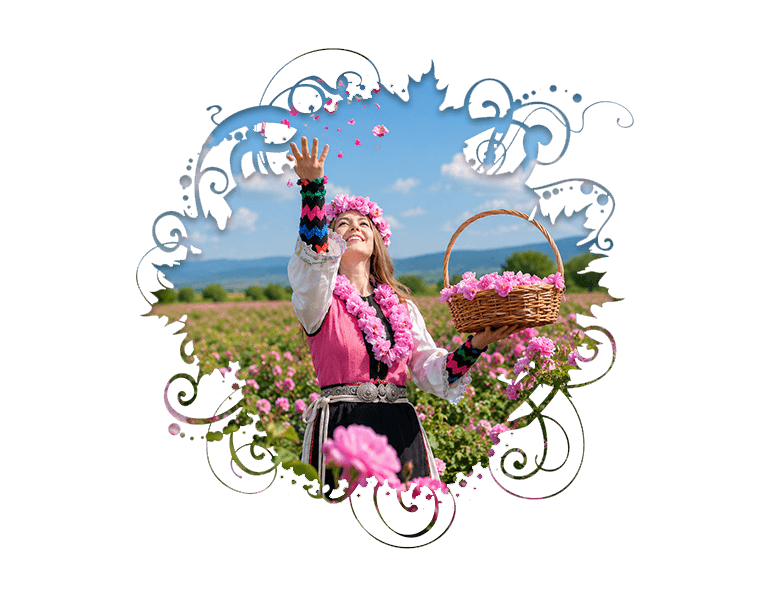
Bulgaria is the largest producer of rose oil in the world. The Damask rose is the country’s national flower and a source of pride for Bulgarians. Naturally, rose-based products are some of the most popular things to buy in Bulgaria. Rose oil is a highly sought after ingredient in the beauty and perfume industry. It helps in enhancing your skincare routine. In addition to rose oil, you can purchase rose jam, rose brandy, and rose water.
Gyuvech is a traditional Bulgarian lidded pot used to cook Gyuvech, a baked meat and vegetable stew. Elders often pass on these pots as heirlooms and even present them as gifts to newlyweds. You can find them in local markets, souvenir shops, and kitchenware stores. Some are unique and hand-painted.
Bulgarian white cheese, sirene, is often confused with feta cheese. But they are distinctly different, with sirene having a slightly lemony flavour and a grainy texture. Not only is it used in Bulgarian cuisine, but it’s also a famous edible souvenir among tourists. This cheese can be made using sheep, goat, or cow milk. You can buy it from any of the supermarkets in Bulgaria.
When you visit Bulgaria, you will most likely be given martenitsa, a red and white yarn adornment usually presented in the form of two dolls. You can take these back home for your loved ones. Martenitsa serves as a symbol of friendship, warmth, birth, blood, and mutual affection.
Rakia is the most popular alcoholic drink in Bulgaria. While it is traditionally made using grapes, it is often also made using cherries, plums, or peaches. Some also make it at home using copper distillers. If invited to someone’s house in Bulgaria, you’ll likely be served this drink. The drink appears on several occasions in the country, such as parties and other significant celebrations.
The Kukeri Carnival is a festival in Bulgaria. It is conducted to ward away evil spirits and pray for good health and fertility. During the event, people wear masks that often belong to their parents or grandparents. Traditionally, only men partake in the carnival. The masks are made of wood and have colourful threads glued onto them. They also have pieces of mirrors, multicoloured fabrics, and bronze and copper bells attached to them.
Bulgarian embroidery is ornate and unique, making Bulgarian textiles a great gift to take home. The local artisans create pieces often known to be reproduced by more prominent designers. Therefore, buying traditional Bulgarian clothes is a beautiful way to support the country’s local artists.
Bulgarians enjoy festivals, and you may witness one during your trip with our Bulgaria tour packages. Some popular festivals in Bulgaria include the International Folklore Festival, Sofia Music Weeks International Festival, and Varna Summer International Music Festival. Historical plays are often organised in Bulgaria. Many take place outdoors in front of important historical buildings and monuments.
Between the end of the 19th century and the beginning of the 20th century, artists who contributed to the art scene in Bulgaria included Anton Mitov and Ivan Mrkvichka. Many of their paintings depicted scenes from Bulgarians’ daily lives. Painting styles and themes developed further in the early 20th century. This laid the groundwork for artists such as Vladimir Dimitrov, Tsanko Lavrenov, Zlatyu Boyadzhiev, and Ilya Petrov, who gained popularity.
Socialist realism became a theme in Bulgarian paintings after the Second World War. Bulgarian classical music performances were first seen in the 1890s. In 1900, Emanuil Manolov performed Bulgarian opera. Theatre is a popular form of entertainment in Bulgaria, where modern foreign dramas and world classics are often staged.
Weightlifting is one of Bulgaria’s most important sports. The other sports played in the country are tennis, gymnastics, boxing, and wrestling. Football is also a popular sport. Owing to the guidance of Ivan Abadjiev, numerous Olympic and world champions were produced in Bulgaria in weightlifting in the 1980s.


Share your travel dates and preferences. Our experts will create a personalised holiday for you.
☎ +91 83675 01501
✉ travelguru@gmail.com