

Pune, Mahabaleshwar
4 Days Pune Mahabaleshwar Holiday Package
3 Nights 4 Days
Unlimited
Nestled high in the lush Western Ghats of Maharashtra, Mahabaleshwar is a hill station that blends nature’s calm with heritage charm. Arriving in Mahabaleshwar is like stepping into a different world, one where the air feels lighter and the scenery becomes breathtakingly beautiful. As you ascend the winding roads that lead to this hill station, starting from the bustling plains, the gradual climb brings with it a refreshing shift in temperature and ambience.
Often called the “Queen of the Sahyadris,” this beautiful retreat sits at an elevation of about 1,353 metres and offers panoramic valley views, forested hills, and cool weather through most of the year. It is also an important religious site in Maharashtra. In Mahabaleshwar, the temples keep the rhythm, the forests hold the quiet, and the hills carry the breeze that has moved across these valleys for centuries.
Mahabaleshwar is a popular holiday destination for locals from Pune, Mumbai and other nearby towns.
To plan your perfect getaway, explore Travel Guru’ curated Mahabaleshwar Tour Packages — each designed to balance leisure, heritage, and local immersion. Whether you want a quiet hill retreat, a honeymoon hideaway, or a family adventure, these packages promise a seamless journey.
Call us or message us on Instagram to customise your itinerary according to your requirements and budget.
Mahabaleshwar is a popular hill station located in the Satara district of Maharashtra. It lies about 120 kilometres southwest of Pune and roughly 285 kilometres from Mumbai. Resting at an elevation of around 1,353 metres above sea level, the town enjoys a cool climate throughout the year and offers stunning views of the valleys and forested slopes of the Western Ghats.
The town is situated on a small plateau surrounded by deep valleys and dense evergreen forests. It is divided into three main zones: Malcolm Peth, which serves as the main market and tourist centre; Old Mahabaleshwar, known locally as Kshetra Mahabaleshwar, which houses ancient temples; and the nearby Shindola village area.
Mahabaleshwar is also of great geographical and spiritual importance. The Krishna River, one of the major rivers of southern India, originates here from a sacred spring near the Panchganga Temple. Four other rivers—Koyna, Venna, Savitri, and Gayatri are believed to begin from the same spot, which gives the town its name, meaning “Great Lord of Power”.
The surrounding region is part of the Western Ghats, a mountain range recognised by UNESCO for its biodiversity. Forests of evergreen trees, bamboo, and medicinal herbs blanket the hillsides. During the monsoon season, Mahabaleshwar transforms into a lush paradise, with waterfalls like Lingmala and Dhobi gushing through the valleys.
With its mix of natural beauty, religious significance, and colonial heritage, Mahabaleshwar attracts both nature enthusiasts and pilgrims. The winding roads from Pune and Mumbai make it one of the most accessible hill destinations in Maharashtra. Its scenic viewpoints, forests, and river origins together form the core experience of many Mahabaleshwar Tour Packages.
Mahabaleshwar’s story is as layered as the ridges it rests upon. Its name comes from Lord Mahabali or Mahabaleshwar, an incarnation of Lord Shiva, who is worshipped in the main temple here.
The earliest recorded mention of Mahabaleshwar dates back to 1215 CE, when King Singhan of Deogiri visited the source of the Krishna River and built a small temple there. This sacred site is today known as Old Mahabaleshwar or Kshetra Mahabaleshwar.
Over time, the region was ruled by the Chanda Rao More dynasty, which developed the temples and encouraged settlements in the area. They were eventually defeated by Chhatrapati Shivaji Maharaj in 1656, bringing Mahabaleshwar under Maratha rule.
Under the Marathas and later the Peshwas of Pune, Mahabaleshwar remained an essential spiritual and strategic location. The nearby Pratapgad Fort, where Shivaji Maharaj famously defeated Afzal Khan, stands as a symbol of this era’s military legacy.
In the 19th century, the British were captivated by Mahabaleshwar’s cool climate and scenic landscapes. It soon became the summer capital of the Bombay Presidency. Colonial officers built churches, bungalows, and walkways, some of which still exist today. The British also introduced strawberries and other European crops to the region, shaping Mahabaleshwar’s agricultural identity.
Modern Mahabaleshwar carries traces of all these eras with temples that echo devotion, forts that speak of valour, and colonial buildings that remind visitors of its British past.
Mahabaleshwar Tour Packages often include heritage walks that bring this rich history to life.
| Category | Details |
| Location | Satara district, Maharashtra, Western India |
| Elevation | 1,353 m above sea level |
| Official Language | Marathi (Hindi and English widely spoken) |
| Nicknames | “Queen of the Sahyadris”, “Strawberry Capital of India” |
| Famous For | Strawberries, Venna Lake, Temples, Viewpoints, Colonial Heritage |
| Best Time to Visit | October to March |
| Ideal Trip Duration | 2 to 4 days |
Mahabaleshwar is surrounded by thick forests, misty valleys, and rolling hills that seem to stretch endlessly into the horizon. Visitors can spend hours admiring the views from points like Arthur’s Seat, Wilson Point, and Elephant’s Head Point. The cool breeze, quiet trails, and panoramic sights make this one of Maharashtra’s most picturesque getaways. Every season brings its own charm, and the changing light gives the hills a new shade each day.
The town holds deep spiritual significance. It is believed to be the birthplace of the Krishna River, along with four other rivers that begin from a single sacred spring near the Panchganga Temple. Many travellers include these holy sites in their Mahabaleshwar Tour Packages to experience the peaceful surroundings and the temple rituals that have continued for centuries.
Mahabaleshwar is known as the Strawberry Capital of India. The farms here produce some of the sweetest berries in the country. Visitors can walk through plantations, pick their own fruit, and enjoy fresh strawberry cream at local cafes. The famous Mapro Garden also attracts food lovers who enjoy homemade jams, syrups, and chocolates. For many tourists, tasting these local flavours is reason enough to choose Mahabaleshwar Tour Packages.
British officers once used Mahabaleshwar as a summer retreat, and the traces of that era still remain. Old bungalows, churches, and walkways give the town a vintage charm. Many of these heritage structures have been converted into boutique hotels and resorts. Travellers who love history and architecture can explore these colonial landmarks as part of their Mahabaleshwar Tour Packages while enjoying the slow pace of mountain life.
Despite being nestled in the Western Ghats, Mahabaleshwar is easily accessible from both Mumbai and Pune. The roads are well-maintained and scenic, offering several viewpoints along the way. Once you arrive, you’ll find that the pace of life is slow and unhurried. Whether you want adventure, photography, temple visits, or simply a quiet place to rest, Mahabaleshwar Tour Packages provide a perfect balance of comfort and exploration.
Mahabaleshwar’s charm varies significantly with the seasons:
During winter, the landscape is often enveloped in mist, creating a romantic atmosphere. Temperatures can drop to around 10°C (50°F), making it a popular time for tourists seeking a cozy retreat. This is also the strawberry season.
In summer, Mahabaleshwar comes alive with vibrant blooms. The temperatures are mild, typically ranging from 15°C to 25°C (59°F to 77°F), making it an ideal season for relaxation and outdoor activities such as hiking and sightseeing.
The monsoon season brings heavy rainfall, transforming the region into a lush, green paradise. The trails become vibrant and alive, showcasing the raw beauty of nature, but also require caution due to slippery paths.
Choose the best fit for you through our Mahabaleshwar Tour Packages.
Every viewpoint, temple, and trail in Mahabaleshwar tells its own story. The hills hold their quiet, and every path feels like a small beginning. Here’s a list of must-visit places often featured in Mahabaleshwar Tour Packages:
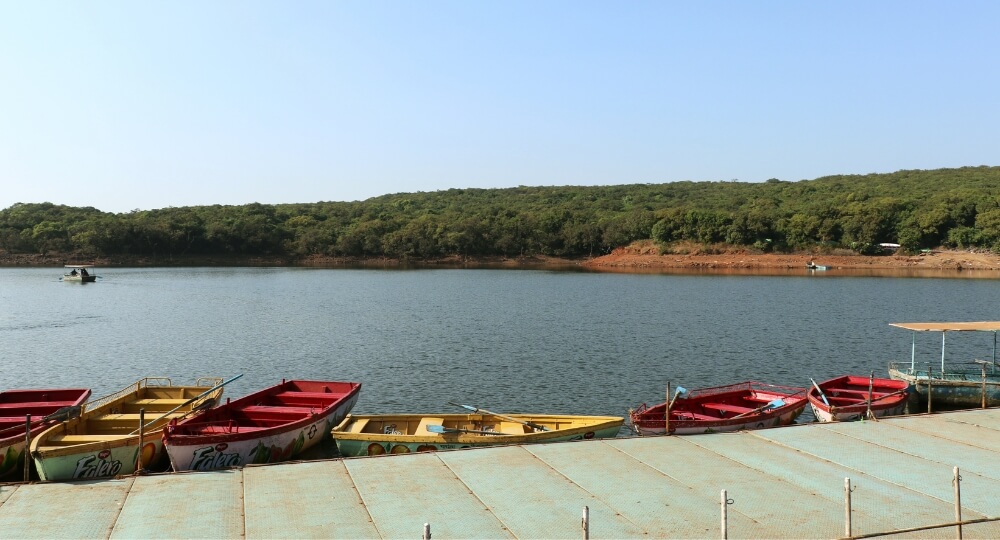
Venna Lake is one of Mahabaleshwar’s most popular tourist spots. It was built in 1842 by Sri Appa Saheb Maharaj, the ruler of Satara, as a water reservoir. The lake covers around 28 acres and is surrounded by trees and small hills. Visitors can enjoy rowboats and paddleboats, while horse riding along the banks is another favourite activity. In the evening, local food stalls serve snacks and tea, making it a lively hangout for families and couples.
Arthur’s Seat is among the most famous viewpoints in Mahabaleshwar and is often called the “Queen of Points.” It lies about 13 kilometres from the main market and offers a dramatic view of the Savitri Valley and the dense forests below. The viewpoint is named after Sir Arthur Malet, a British officer from the 19th century. Several smaller viewpoints, like Tiger Spring and Echo Point, can also be reached from this trail.
Wilson Point (Sunrise Point) is the highest viewpoint in Mahabaleshwar, standing at about 1,439 metres above sea level. It is known for offering both sunrise and sunset views from its three observation platforms. The point is located close to the main town and is easily accessible by road. Early morning visits are ideal. At first light, the plateau blushes pink. During winter, the valley is often covered in mist, and it feels magical.
Elephant’s Head Point is located near Lodwick Point, around 5 kilometres from the Mahabaleshwar bus stand. The rocks here naturally resemble an elephant’s head and trunk, giving the site its name. The viewpoint overlooks the valleys of the Sahyadri range, offering some of the clearest panoramic views in the region. The short forest walk from the parking area to the viewpoint makes the visit peaceful and scenic.
Lingmala Waterfall is situated about 6 kilometres from Mahabaleshwar town on the road to Panchgani. Lingmala Waterfall is one of the most beautiful waterfalls in the area. It has two viewing levels — a smaller fall near the entrance and a larger one that cascades into a deep valley. The waterfall is at its best during the monsoon months (July to September), when the surrounding forest turns lush green.
Old Mahabaleshwar, also known as Kshetra Mahabaleshwar, is the spiritual heart of the hill station. It houses two major temples — the Mahabaleshwar Temple, dedicated to Lord Shiva, and the Panchganga Temple, believed to be the origin point of five rivers: Krishna, Koyna, Venna, Savitri, and Gayatri. This area is an important pilgrimage centre for devotees and is surrounded by forests and viewpoints.
Pratapgad Fort is located about 24 kilometres west of Mahabaleshwar, it was built in 1656 by Chhatrapati Shivaji Maharaj. The fort stands at an elevation of around 1,080 metres and played a key role in the historic battle between Shivaji and Afzal Khan. This is an exciting spot for children, who learn about this battle in their history lessons. They can stand on the ridge, feel the wind and recreate historic scenes with their imagination. Visitors can explore the upper and lower sections of the fort and visit the Bhavani Temple, which remains an active place of worship. The fort offers excellent views of the Konkan valley below.
Mapro Garden is located in Gureghar village, on the Panchgani–Mahabaleshwar road, about 8 kilometres from Mahabaleshwar town. It is famous for its fruit-based products such as jams, syrups, and chocolates. The complex includes landscaped gardens, a café serving strawberry desserts, and a small factory where visitors can learn about the production process. The annual Strawberry Festival is held here in February – March.
Connaught Peak previously known as Mount Olympia, is located about 7 kilometres from Mahabaleshwar. The site offers a panoramic view of Venna Lake, Pratapgad Fort, and the surrounding valleys. It was renamed after the Duke of Connaught, who visited during the British period. The short climb to the top is pleasant and ideal for visitors seeking quieter viewpoints.
Tapola (Mini Kashmir) is a small village about 30 kilometres south of Mahabaleshwar, situated on the banks of the Shivsagar Lake, which is formed by the Koyna Dam. The area is known for its tranquil backwaters and water-based activities such as boating and kayaking. Tapola is also the starting point for forest treks to Vasota Fort. The region is surrounded by dense hills and is often included in extended Mahabaleshwar Tour Packages for its offbeat beauty.
Mahabaleshwar’s beauty extends far beyond its famous viewpoints. Its surrounding forests, lakes, and small towns offer quieter experiences for travellers who want to explore nature and local life at an easy pace. Most curated Mahabaleshwar Tour Packages now include these offbeat options for visitors seeking something more personal and less crowd.
The forest belt around Mahabaleshwar is part of the Western Ghats, one of India’s richest biodiversity zones. Short, guided forest walks are available near Venna Lake, Lingmala Waterfall, and along the Gureghar Nature Trail close to Triveni Point. These trails pass through evergreen trees and bamboo groves, offering a chance to spot local bird species.
Highlights: Easy-to-moderate routes, best explored between October and March.
Travel Tip: Always take a registered local guide and carry drinking water.
Located about 30 kilometres south of Mahabaleshwar, Tapola is often described as Mini Kashmir for its serene lake views and peaceful surroundings. The village sits beside Shivsagar Lake, which was formed by the backwaters of the Koyna Dam. Visitors can enjoy boating and kayaking organised by local operators. The area is also known for its eco-friendly lakeside resorts and nature camps.
Highlights: Water activities, eco-stays, forest walks, and rural scenery.
Travel Tip: The road between Mahabaleshwar and Tapola can be affected by heavy rain; check conditions before travelling in the monsoon.
Only 20 kilometres from Mahabaleshwar, Panchgani is a neighbouring hill station famous for its vast laterite plateau known as Table Land. It offers clear views of the valleys and Dhom Dam below. Visitors can take gentle walks or short horse rides across the plateau. Panchgani also has several colonial-era schools and heritage homes, making it a popular day-trip destination included in many Mahabaleshwar Tour Packages.
Highlights: Table Land plateau, scenic walks, caves, and old English-style bungalows.
Best Time: October to April for clear weather and comfortable walks.
Old Mahabaleshwar, also called Kshetra Mahabaleshwar, is an area rich in heritage and spirituality. It is home to two ancient temples the Mahabaleshwar Temple, dedicated to Lord Shiva, and the Panchganga Temple, marking the origin of five rivers. The surrounding stone pathways and forested edges create a calm environment ideal for slow exploration. Nearby colonial-era churches and lanes still display traces of British influence from the 19th century.
Highlights: Sacred temples, natural springs, and traces of colonial architecture.
Travel Tip: Visit early in the morning for a quiet, authentic experience.
Mahabaleshwar produces most of India’s strawberries and is known for its cool climate and fertile soil. Travellers can visit strawberry farms such as those near Gureghar and Panchgani to learn about cultivation methods. During the harvest season (December to March), some farms allow visitors to taste or buy fresh fruit. Many homestays also offer farm-to-table meals prepared with locally grown produce.
Highlights: Strawberry tasting, farm visits, and local cuisine.
Note: Picking fruit directly from fields is available only at select farms and with prior permission.
The Ambenali Ghat connects Mahabaleshwar in the Satara district with Poladpur in the Konkan region. It is a winding mountain road known for spectacular valley views and dense forest cover. The drive spans roughly 40 kilometres and is popular among travellers who enjoy scenic road trips.
Highlights: Valley viewpoints, misty landscapes, and photography stops.
Travel Tip: Avoid driving during heavy rain or fog, as visibility can be limited and road conditions slippery.
These offbeat experiences show a quieter side of Mahabaleshwar — where travellers can walk among forests, talk to farmers, and appreciate the calm of the hills. Each trail offers a different way to connect with nature and local life while avoiding large crowds. Many customised Mahabaleshwar Tour Packages include these trails to help visitors enjoy the destination beyond its main attractions.
Mahabaleshwar has accommodation for every kind of traveller, from luxury resorts to cosy homestays.
Many Mahabaleshwar Tour Packages also include day trips to Panchgani, Tapola, or Pratapgad, offering a wholesome mix of history and nature.
If you’re travelling to Mahabaleshwar from another state, you can easily combine your trip with other scenic and cultural destinations across Maharashtra.
Just an hour from Mahabaleshwar, Satara is a quiet, underrated gem. It is known for the Kaas Plateau, a UNESCO World Natural Heritage site, famous for its seasonal bloom of wildflowers that paint the hills in shades of purple, pink, and yellow every monsoon. Visit Thoseghar Waterfalls, one of Maharashtra’s highest cascades, and Ajinkyatara Fort, which offers a commanding view of the city.
Satara also has deep historical roots in Maratha heritage, with old temples, royal palaces, and connections to Chhatrapati Shahu Maharaj’s legacy.
Distance from Mahabaleshwar: 55 km
Best For: Nature lovers and history enthusiasts.
These twin hill stations, located between Mumbai and Pune, are known for their misty hills, waterfalls, and chikki shops. Tiger’s Leap, Bhushi Dam, and Duke’s Nose are popular viewpoints. They make an easy addition to your trip before or after Mahabaleshwar.
Distance from Mahabaleshwar: 180 km
Best For: Quick weekend detours and couples’ getaways.
A relaxed coastal town near Mumbai, Alibaug is famous for its clean beaches, forts, and seafood. Visit the Kolaba Fort at low tide or take a boat to Nagaon Beach for water sports.
Distance from Mahabaleshwar: 165 km
Best For: Beach lovers and those seeking a mix of hills and sea.
Known as the Wine Capital of India, Nashik blends history, spirituality, and modernity. Visit the Sula Vineyards for a tasting session, or explore the ancient Pandavleni Caves. Nashik is also one of the four cities that host the Kumbh Mela.
Distance from Mahabaleshwar: 270 km
Best For: Wine tours and cultural travellers.
A major pilgrimage town, Shirdi is home to the revered Sai Baba Temple. The place attracts millions of devotees each year and offers a deeply spiritual experience.
Distance from Mahabaleshwar: 300 km
Best For: Religious and spiritual tourism.
Known for its spicy cuisine, temples, and traditional footwear, Kolhapur combines heritage and craftsmanship. Don’t miss the Mahalaxmi Temple and the Rankala Lake promenade. The local Tambada Rassa and Pandhara Rassa are must-try dishes.
Distance from Mahabaleshwar: 180 km
Best For: Culture, food, and heritage experiences.
Shopping in Mahabaleshwar is a pleasant, stress free experience that blends local flavours, handmade crafts, and traditional produce from the Western Ghats. The town’s compact markets and roadside stalls have a relaxed, small-town charm that appeals to both casual visitors and souvenir hunters. Most Mahabaleshwar Tour Packages include time for shopping around the main market area and nearby farms.
The central Mahabaleshwar Market, located in Malcolm Peth near the bus stand, is the best place to explore local products. This lively stretch is lined with small shops selling handmade leather goods, wooden toys, honey, chikki, jams, and spices. Visitors can also find Kolhapuri footwear, handcrafted belts, and local jewellery at reasonable prices. Evenings are vibrant here, with street food vendors serving roasted corn, sandwiches, and strawberry cream.
Tip: Prices are generally fixed at branded stores but can be bargained slightly at local stalls.
Mahabaleshwar is famous for its strawberry-based products, especially jams, syrups, crushes, and preserves. Visitors can buy these items at local stores or directly from farms. The most popular spots include Mapro Garden in Gureghar and Elsie’s Bakery, one of the oldest bakeries in town known for its fruit jellies and biscuits. Seasonal vendors also sell fresh berries and mulberries along the roadside between December and March.
Must-buy items: Strawberry and mulberry jam, fruit crush, fudge, and handmade chocolates.
The forests and farms around Mahabaleshwar are rich in wildflowers, making it an ideal area for natural honey production. Several local cooperatives and outlets sell organic honey, herbal oils, and ayurvedic products sourced from nearby villages. Sahyadri Honey Centre and Madhuban Honey Shop are two known outlets that have been operating for years. Many travellers include these stores in their Mahabaleshwar Tour Packages for authentic local shopping.
Tip: Check for sealed bottles and authenticity labels before purchasing honey or herbal items.
Artisans from nearby towns such as Satara and Kolhapur supply handcrafted items to Mahabaleshwar’s markets. Travellers can find Kolhapuri slippers, leather handbags, and belts made using traditional techniques. Wooden toys, carved souvenirs, and decorative boxes made from local forest wood are also popular with tourists looking for lightweight keepsakes.
Best Places: Small family-run stores in the main market and stalls near Venna Lake.
Many local farms have small farm outlets that sell directly produced goods — jams, honey, pickles, and sauces — made without preservatives. These shops are usually found along the Mahabaleshwar–Panchgani road and inside fruit-processing centres like Mapro Garden. Some even offer tasting counters, making the shopping experience interactive and fun.
Popular Items: Fresh fruit syrups, amla candy, roasted nuts, and herbal tea blends.
Every year, around February or March, Mahabaleshwar hosts the Strawberry Festival, organised by the local strawberry growers’ association. Stalls line the streets selling fresh strawberries, desserts, and farm produce. Visitors can sample local delicacies and interact directly with farmers. This event has become a highlight for many travellers who visit during the winter season as part of curated Mahabaleshwar Tour Packages.
Mahabaleshwar’s food culture beautifully blends Maharashtrian homestyle flavours with the comforting indulgence typical of a hill station. The town’s fertile soil and cool climate make it one of India’s best regions for strawberries, while its roadside eateries and cafés offer both traditional snacks and fresh, farm-based dishes.
Mahabaleshwar is known as the Strawberry Capital of India, contributing nearly 85 per cent of the country’s total production. The harvest season runs from October to April, when farms across the region are dotted with ripe red fruit. Visitors can taste the town’s signature strawberry cream, milkshakes, and ice creams at local cafés, or sample homemade jams, syrups, and fudges at farm shops.
The most famous food stop is Mapro Garden, located on the Panchgani–Mahabaleshwar road. Its open-air café serves strawberry desserts, sandwiches, and wood-fired pizzas, while the adjoining chocolate and jam factory showcases how local produce is turned into delicious treats. Many Mahabaleshwar Tour Packages include a visit here as part of the food and farm experience.
Beyond strawberries, Mahabaleshwar’s markets are filled with flavours from rural Maharashtra. Street stalls and small eateries serve favourites like Pithla-Bhakri, Puranpoli, Sabudana khichdi, Vada Pav, Poha, and Misal Pav. These hearty, spicy dishes are best enjoyed hot, often with a cup of freshly brewed chai.
During cool evenings, you’ll find vendors frying pakoras and roasting corn on the cob (bhutta) over open fires and serving them a squeeze of lime and chilli powder. These simple snacks are part of the hill-station rhythm, perfect after long walks or sightseeing tours. Many restaurants and cafés also offer North Indian, South Indian, and continental meals to cater to varied tastes.
Several farms around Mahabaleshwar open their gates to visitors during the harvest season. Guests can walk through strawberry fields, watch the jam-making process, and enjoy farm-to-table meals prepared with local vegetables, berries, and herbs. Some resorts incorporate this concept into their menus, offering freshly picked produce and homemade condiments with traditional Maharashtrian dishes.
Don’t miss the fruit preserves, syrups, and chocolates at Mapro Garden or Pure Berry Farm, both well-known for their high-quality local products. These make for ideal souvenirs — small reminders of Mahabaleshwar’s natural sweetness.
Mahabaleshwar’s cultural heart beats through its temples, local art, and community life that revolves around farming and devotion.
The Mahabaleshwar Temple, built in the Hemadpanti architectural style, is one of the oldest structures here. Dedicated to Lord Shiva, it houses the sacred Swayambhu lingam and draws pilgrims year-round.
Nearby, the Krishnabai Temple marks the mythical origin of the Krishna River. Its stone carvings, old pillars, and serene surroundings make it a spiritual as well as architectural gem.
Also worth visiting is the Panchganga Temple, where five rivers – Krishna, Koyna, Venna, Savitri, and Gayatri meet. The waters from these rivers mix together and flow out through a stone carved Gomukh (cow’s mouth).
Mahabaleshwar’s residents speak Marathi and live a life deeply connected to the land. Strawberry farms, small handicraft stalls, and local food outlets define the rhythm of the town. Visitors often find local women selling jams, preserves, and handmade trinkets near popular viewpoints.
During festivals like Mahashivratri, the town glows with lights, processions, and cultural performances. This vibrant blend of spirituality and small-town simplicity gives Mahabaleshwar its distinct charm – one that every traveller experiences through thoughtfully curated Mahabaleshwar Tour Packages.
Mahabaleshwar hosts a mix of traditional religious celebrations and newer cultural festivals that highlight its produce, arts, and tourism spirit. These events offer visitors a chance to see the town in its most festive colours.
This is the most prominent religious festival in Mahabaleshwar. Devotees gather at the Mahabaleshwar Temple to perform special pujas, night vigils, and rituals in honour of Lord Shiva. The temple becomes especially decorated, and crowds arrive from around the region to take part in the festivities.
The festival is observed according to the Hindu lunar calendar (usually in February or March). The temple confirms that Navaratri and Maha Shivaratri are celebrated with grandeur each year.
Mahabaleshwar’s strawberry season is a major draw, and local institutions organize festivals to celebrate this produce. Mapro Garden often arranges a Strawberry Festival (typically in April) when farms are in full yield. Visitors enjoy strawberry picking, tastings, and various themed products like jams, syrups, and desserts.
Book a berry-season farm visit with your Mahabaleshwar Tour Packages.
Newer festival initiatives have begun in recent years, combining culture, tourism, and local produce:
These festivals are part of broader efforts to promote Mahabaleshwar as a destination that combines its natural beauty, agriculture, and cultural identity.
Yes. Mahabaleshwar is considered safe for solo travellers. The local community is friendly and helpful. Stay in well-populated areas after dark and avoid venturing into dense forest paths alone at night.
The best time to visit is from October to March, when the air is cool and clear. This season is ideal for strawberry picking, sightseeing, and boating. Travellers who enjoy misty views and rain can also visit during the monsoon months (June to September).
Absolutely. Mahabaleshwar offers a wide range of vegetarian and Jain-friendly options. Many local restaurants serve Maharashtrian thalis, South Indian snacks, and berry-based desserts made with fresh farm produce.
Yes. The hill station is very family-friendly with attractions like Venna Lake, Mapro Garden, and several viewpoints that appeal to all age groups. Families can enjoy horse riding, boating, short hikes, and strawberry farm visits together.
There are no direct trains or flights to Mahabaleshwar. The nearest airport is Pune (120 km), and the closest railway stations are Wathar and Satara. From there, taxis and state transport buses connect travellers easily to the hill station. Most Mahabaleshwar Tour Packages include pick-up and drop services from Pune or Mumbai.
Yes. Travellers often plan combined trips with Panchgani (20 km), Tapola (30 km), or Pratapgad Fort (20 km). Some extended Mahabaleshwar Tour Packages also cover Lonavala, Lavasa, or Alibaug for a diverse experience of hills, lakes, and coastline.
The primary language is Marathi, while Hindi and English are widely spoken. Communication is rarely a problem for visitors.
Travelling within Mahabaleshwar is best done by private cab, local taxi, or shared jeep. Walking or horse riding is common near Venna Lake and the market area. App-based cab services like Ola and Uber are not available due to limited network coverage.
Carry light cotton clothes for the day and a light jacket or sweater for cooler evenings. During the monsoon, pack an umbrella, poncho, or raincoat, along with sturdy shoes for walking on wet trails. Sunscreen and insect repellent are also useful.
Strawberries are a seasonal delight in Mahabaleshwar. The main harvest season runs from December to March, when farms are open for visits and fresh berries are widely sold. During the rest of the year, visitors can still enjoy preserved products like jams, syrups, and ice creams made from local fruit.
Share your travel dates and preferences. Our experts will create a personalised holiday for you.
☎ +91 83675 01501
✉ travelguru@gmail.com