

Darjeeling, West Bengal, India
Super Saver Gangtok – Darjeeling Tour Package
7 Nights 8 Days
Unlimited

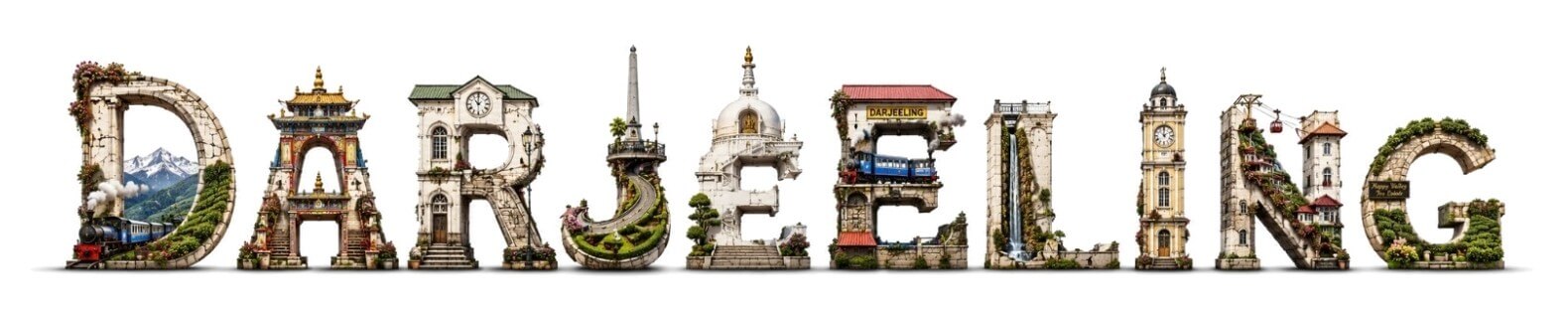
Situated in the northernmost region of West Bengal, Darjeeling is often called the Queen of the Hills. Surrounded by tea estates, Darjeeling is 2,050 meters above sea level, welcoming visitors with a pleasant climate throughout the year. While adventure lovers can enjoy paragliding and trekking, nature enthusiasts can go to Tiger Hill to catch the mesmerising sunrise. Tea lovers indeed have a specific reason for travelling to Darjeeling: to sip several cups of the scrumptious Darjeeling tea. You can experience all this and much more with Travel Guru’ Darjeeling tour packages. Let’s dive deep into Darjeeling’s history, culture, cuisine, shopping scenes, and tourist attractions to discover why it’s a must-visit tourist destination.
Call or send a message on Instagram to learn more about our Darjeeling tour packages.
Darjeeling was once a part of Sikkim until the East India Company established its control in 1835. Governor General Lord Bentinck saw plenty of potential in Darjeeling and believed that its pleasant weather could help make it a sanatorium. He expressed his desire to acquire Darjeeling, due to which the Raja of Sikkim gifted Darjeeling to the East India Company as a token of their friendship. In return, the Raja was gifted a rifle, a double-barrelled gun, two shawls, and 20 yards of red-broad cloth. That’s the story of how British rule was established in Darjeeling, eventually becoming the summer capital of the Bengal Presidency. Call us or send a message on Instagram for customised Darjeeling tour packages.
The economy of Darjeeling consists of three major departments, namely tourism, tea, and transport. When it comes to tourism, Darjeeling has numerous accommodation options of different categories. There are also plenty of popular eateries and stores that cater to the barrage of tourists who visit Darjeeling every year. These establishments provide several employment opportunities to the locals, thereby contributing to Darjeeling’s economy. Tourism also supports local artisans in the form of souvenirs and handicrafts purchased by visitors. Transport contributes to the hill station’s economy as important commodities are transported from the plains. This can also be seen through the taxis and buses that run in Darjeeling. With Darjeeling tea, it forms a significant source of revenue as it provides employment through tea cultivation, processing, and distribution.
| Category | Details |
| City | Darjeeling |
| Currency | Indian Rupee (INR) |
| High season | March to May |
| Standard Voltage | 230–240 volts |
| Languages | Official: Bengali and Nepali ; unofficial: English, Hindi |
| Famous Tourist Attractions | Tiger Hill, Batasia Loop, Padmaja Naidu Himalayan Zoological Park, Peace Pagoda, Ghoom Monastery, Happy Valley Tea Estate, Darjeeling Himalayan Railway |
| Things To Do | Trekking, paragliding, whitewater rafting, rock climbing, wildlife safari |
| Famous Food | Thukpa, momos, Darjeeling tea, aloo dum, sel roti |
| Quick getaways | Gangtok, Kalimpong, Kurseong, Lataguri, Jalpaiguri |
| Souvenirs To Buy | Darjeeling tea, woollen clothes, jewellery, Tibetan handicrafts |
Wondering why you need to book our Darjeeling tour packages? Here are the reasons why you should visit Darjeeling at least once in your lifetime:
You must have seen Darjeeling’s Toy Train being featured in many movies, such as Aradhana, Parineeta, and Jagga Jasoos. Riding the Toy Train or Darjeeling Himalayan Railway is something that children, in particular, will enjoy. This is due to its slow pace, which allows you to take in the surrounding views.
Darjeeling is a potpourri of natural beauty and magnificent sceneries. Witnessing the sunrise from Tiger Hill is indeed a thing to tick off one’s bucket list. There are spiritual spots such as the Peace Pagoda and Ghoom Monastery that are bound to fill your heart with calm and serenity. Explore the tea gardens, learn how Darjeeling tea gets made, and ride the Darjeeling Ropeway to lay your eyes on the forests, waterfalls, and valleys the city is home to.
When you visit Darjeeling, you should set a day aside just for shopping. The charming markets of the city will lure you in with their welcoming ambience. Surrounded by hills and lush greenery, these bazaars sell numerous souvenirs you can grab, including handicrafts, tea, woollen clothing, jewellery, and so on.
Adrenaline junkies will have a blast in Darjeeling as the city offers numerous outdoor adventures for tourists to enjoy. This includes everything from trekking and whitewater rafting to wildlife safari and rock climbing.
The cuisine of Darjeeling is unique in its own way, and it also has Bengali, Nepali, and Tibetan influences. While on hand are the comforting dishes such as momos and thukpa, on the other hand are the multiple cups of Darjeeling tea at the city’s tea gardens.
Darjeeling is known to have a temperate, subtropical highland climate. It experiences wet summers and heavy rainfall during the monsoon season as it’s situated at a high altitude in the Himalayas. Each season brings something unique to Darjeeling. Let’s take a look at what every season in the city is like so you can accordingly decide when to book Travel Guru’ Darjeeling tour packages:
During the spring season, the temperature in Darjeeling ranges from 6 degrees Celsius to 17 degrees Celsius. The skies remain mostly clear and blue, and the chances of hailstorms and strong winds are low. Many consider this to be the best time to visit Darjeeling. The magnolias and rhododendrons are in full bloom during this time, and you can easily partake in outdoor activities such as sightseeing, picnicking, and trekking. This is the ideal time to drink in the serenity of nature at this hill station.
As this is the peak season, make sure to book our Darjeeling tour packages beforehand as the accommodation and flight prices increase during this period. Carry lightweight cotton or linen clothes when the days get warm. For the cooler evening, pack a light jacket or sweater. Also pack an umbrella and raincoat in case it starts raining.
The temperature during the summer remains between 11 degrees Celsius to 19 degrees Celsius. The early months of the summer season are quite pleasant, with the temperatures being higher than what you experience during springtime. Participate in a variety of adventure sports, such as paragliding, hiking, and rafting, before the monsoon season begins. Since June marks the beginning of the rainy season, tourists should remember that it gets pretty misty during this period, thereby making it trickier to drive around in Darjeeling. Beware of the hailstorms that could occur. Pack lightweight and breathable clothes, preferably linen and cotton ones.
During the rainy season, you can expect the temperature to be between 13 degrees Celsius to 19 degrees Celsius. The humidity is between 93-96% with 90% of saturation. The four months of monsoon experience heavy rainfall of around 700mm. This is why the rainy season is the least preferred time to visit Darjeeling. There is also the increased landslide risk to be aware of, especially on certain mountain passes. Carry raincoats, waterproof jackets, umbrellas, and comfortable walking shoes.
When the autumn season sets in, the temperature oscillates between 6 degrees Celsius to 18 degrees Celsius. The landscapes feel refreshed because of the rainy season gone by. The skies become clear, and the weather remains cool. This is a great time to engage in adventure sports and sightseeing. Since tourists begin to flock to Darjeeling during this period, the prices of hotels and flights increase. Hence, make your bookings in advance if you plan to visit the hill station during autumn. The delicious Darjeeling autumn flush tea is inspired by the autumn season in Darjeeling. Carry a jacket or sweater for the evenings, and pack some sturdy shoes if you wish to go hiking.
During the winter season, the temperature in Darjeeling stays between 2 degrees Celsius to 9 degrees Celsius. The winter days in Darjeeling are the ideal off-season as the cold weather reduces the risk of floods and landslides. With the fog and mist covering the lush green landscapes, Darjeeling gets enveloped in a mystical ambience. The cosy climate makes this season perfect for couples and honeymooners. While snowfall is not common in Darjeeling, you could witness the nearby hills being covered in snow. Remember to pack all the winter essentials, such as jackets, mufflers, gloves, woollen socks, and thermal innerwear.
Darjeeling offers you a mix of exciting sightseeing and adventurous activities, and with Travel Guru’ Darjeeling tour packages, you can do it all. Here are some of the best places to visit in Darjeeling and the outdoor adventures to embark upon:

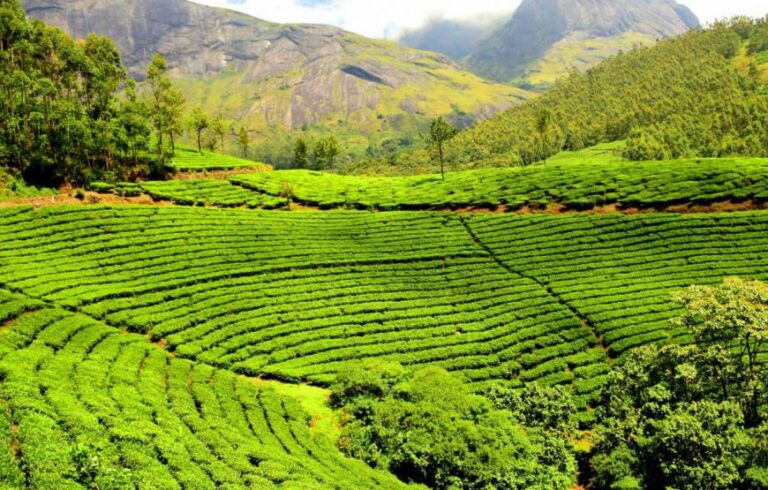
The Happy Valley Tea Estate is a tea garden in Darjeeling and is known to be the region’s second-oldest tea estate. A British planter named David Wilson established the tea estate in 1854, which is why it was once called Wilson Tea Estate. The name of the tea garden was changed to its present name when a man named Tarapada Banerjee bought it in 1929 and merged it with the nearby Windsor Tea Estate. It is spread over an area of 440 acres and perched at an altitude of 2,100 metres. If you’re a tea lover, then visiting this place is a must, as it offers an insight into the making of the internationally renowned Darjeeling tea. Seeing the tea pickers hard at work is truly a unique sight.
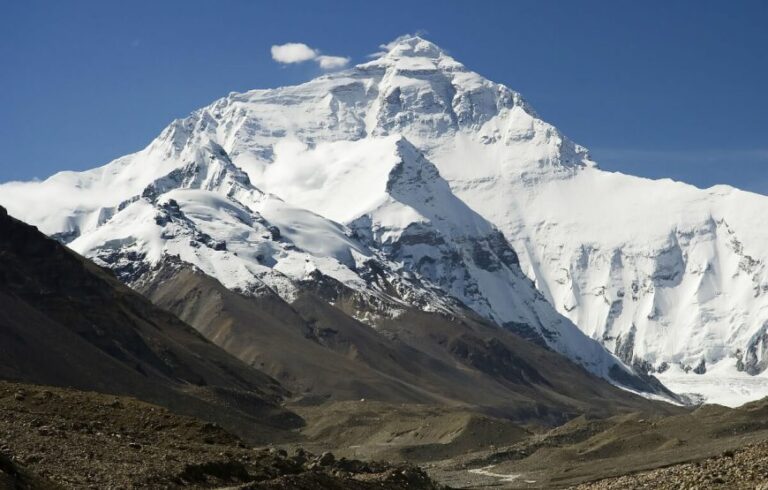
Tiger Hill is undoubtedly one of the most significant tourist attractions in Darjeeling. When you visit the spot during sunrise, you can witness the peaks of Kanchenjunga being illuminated before the sun touches the lower elevations. This location is also famous as it offers visitors a spellbinding panoramic view of Mount Everest and Mount Kanchenjunga together. In fact, when viewed from Tiger Hill, Kanchenjunga appears taller than Mount Everest due to the Earth’s curvature. Standing at a height of 8,482 feet, it usually takes about 45 minutes to an hour to reach the hilltop. Tiger Hill is also the summit of Ghoom, which is the highest railway station in the Darjeeling Himalayan Railway.
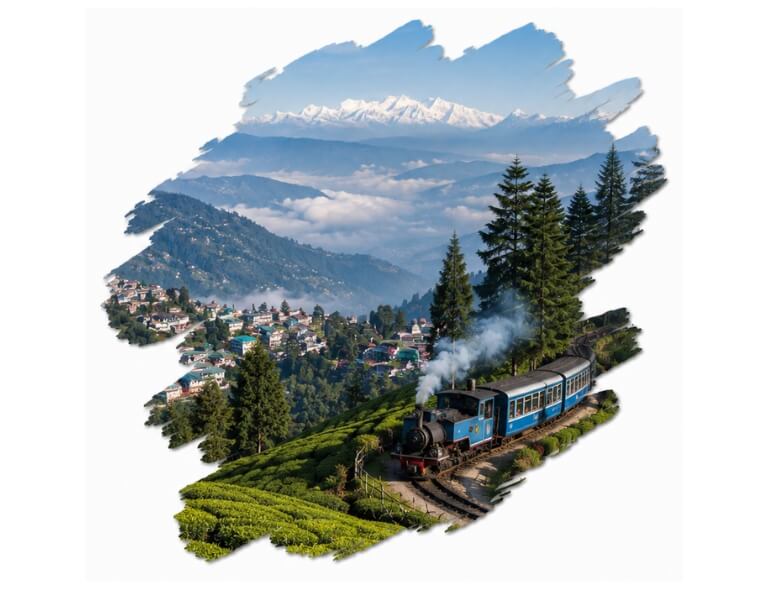
The Darjeeling Himalayan Railway, which is popularly known as the Toy Train, is a gauge railway that’s two feet narrow and runs between Darjeeling and New Jalpaiguri. It is about 88 km long and was constructed between 1879 and 1881. The Darjeeling Himalayan Railway was declared a UNESCO World Heritage Site in 1999. The ride takes you through tea gardens, thick forests, and the endearing villages of Darjeeling.
The Batasia Loop in Darjeeling is a lush green toy train pathway which offers tourists a 360-degree view of the city, including the snow-clad peaks of the Eastern Himalayas. The best way to experience the Batasia Loop is to hop on a toy train from Darjeeling to Ghoom. There is a garden situated in the middle of the Batasia Loop, which is sprawled over an area of 50,000 square feet and is filled with grass, shrubs, and seasonal flowers. You will also find a War Memorial in the middle of the loop, which was built in honour of the Gorkha soldiers who lost their lives for their country.
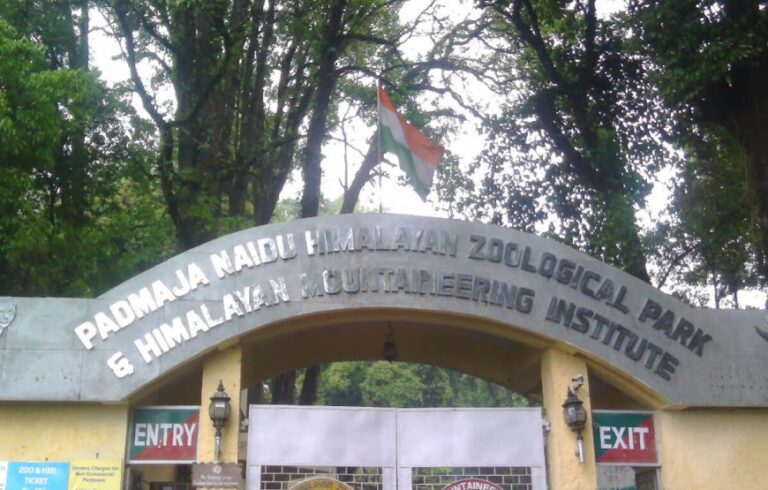
The Padmaja Naidu Himalayan Zoological Park, also known as Darjeeling Zoo, is a significant wildlife conservation centre. The park is named after Padmaja Naidu, who was the daughter of Sarojini Naidu and the 4th Governor of West Bengal. Established in 1958, it was built to conserve the endangered wildlife of the Himalayas. It’s among the few conservation centres in India that specialise in breeding rare species, such as the snow leopard, red panda, and Himalayan wolf. Situated at a height of 7,000 feet, it’s the largest high-altitude zoo in the country. Spread over an area of about 68 acres, the park is home to animals like sambar deer, red jungle fowl, blue sheep, Himalayan tahr, and the Royal Bengal Tiger.
The Peace Pagoda, also known as Shanti Stupa, is one of the peace pagodas that was established to promote harmony and unity among people of different backgrounds. Nichidatsu Fujii, who was a Japanese Buddhist monk, established the peace pagoda as a result of his meeting with Mahatma Gandhi in 1931. The foundation for the peace pagoda was laid in November 1972 and the inauguration took place in November 1992. Standing 28.5 metres tall, it’s the tallest free-standing structure in Darjeeling.
Ghoom Monastery, also known as Yiga Choeling Monastery, was established by Sokpo Sherab Gyatso in 1850. Situated about 8 km away from the centre of Darjeeling, there is a 15-foot statue of Maitreya Buddha located in the central hall of the Ghoom Monastery. It was imported from Tibet and is made entirely of clay. The Buddha statue is a symbolic representation of the Future Buddha, also known as Gwalwa Shampa. Within the Ghoom Monastery, you will come across images of several Buddha deities and lamas.
The Darjeeling Ropeway, also known as the Rangeet Valley Passenger Cable Car, was established in 1968 and is the first cable car system in the country. Situated at an elevation of around 7,000 feet, the ropeway has 16 cable cars, each of which can accommodate six people. Lasting for about 45 minutes, the ropeway takes its passengers from 7,000 feet to 800 feet at Singla Bazar. The journey lets you feast your eyes on Darjeeling’s forests, tea plantations, serene rivers, and cascading waterfalls.
From handicrafts and woollen items to delicious tea, there are plenty of mementoes to bring home from Darjeeling, all of which you can do with our Darjeeling tour packages. Listed below are the souvenirs to buy from Darjeeling:
Visiting Darjeeling automatically means bringing back Darjeeling tea for yourself and your loved ones. It’s popular worldwide for its delicate flavour and aroma and is available in a wide variety of flavours and types, including first flush, second flush, and autumn flush.
In case the low temperature of Darjeeling surprises you during the colder months, there’s nothing to worry about, as the city sells the most comfortable handmade woollen clothes. Made by local artisans, you can find an eclectic variety of woollen items in Darjeeling, such as sweaters, scarves, shawls, socks, mufflers, and gloves.
The Tibetan influence in Darjeeling is reflected in its shopping scene, with the markets selling numerous kinds of Tibetan handicrafts. This includes Buddha figurines, traditional masks carved out of wood, and prayer beads. There is also the Tibetan Refugee Self-Help Centre which sells Tibetan carpets, wall hangings, wooden crafts, jackets, woollen shawls, and so on.
If you’re a jewellery lover, then check out the traditional jewellery available in Darjeeling. You will find plenty of silver jewellery in the region along with turquoise studded pieces. Be it rings and earrings or necklaces and bracelets, there is a wide array of jewellery to explore in the city.
The cuisine of Darjeeling has Tibetan, Nepali, and Bengali influences, thereby offering tourists a diverse range of flavours. Darjeeling’s food is truly a gastronomic adventure that you should experience at least once in your lifetime. Let’s explore the cuisine of Darjeeling so you can find out which dishes to taste while exploring the city with our Darjeeling tour packages:
Thukpa is a delicious noodle soup which is an integral part of Darjeeling’s cuisine. Having Tibetan roots, this hearty and comforting dish consists of meat, vegetables, and noodles. It can be made using chicken or pork, and you can also have the vegetarian version of thukpa. The dish is often served as a starter, but it can be consumed as a separate meal too.
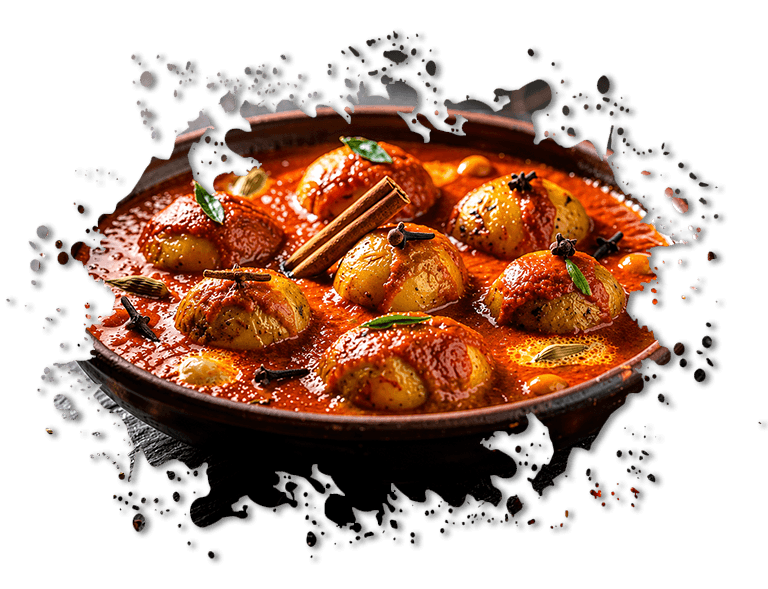
Aloo dum is a special component of Darjeeling’s cuisine, thereby reflecting the influence of Bengali cuisine on the city’s food. The dish is a spicy potato curry which can be served either with roti, puri, or rice. To make aloo dum, pieces of potatoes are boiled and then mixed in a gravy consisting of onions, garlic, red chilli powder, ginger cloves, and some mustard oil. It’s often garnished with coriander.
A list of the best foods in Darjeeling is incomplete without mentioning Darjeeling tea. Often called the ‘champagne of teas’, it has a unique aroma and is subtly sweet. This full-bodied and smooth tea is cultivated and grown in the Himalayas. You can enjoy different flushes of Darjeeling tea depending on the season and the time of harvest. This includes first flush, second flush, and autumn blush. You can find various varieties of Darjeeling tea, including white, black, oolong, and green. Sipping on a cup of Darjeeling tea while admiring the serene environment of Darjeeling is something you must tick off from your bucket list.
Gundruk, a concoction which originated in Nepal, is a fermented leafy green vegetable dish. Rice in minerals and iron, gundruk is often used in stews and soups, thereby lending them a tangy flavour. The ingredients that go into making gundruk include mustard, radish, spinach, and cauliflower.
While momos are found in several regions of India, they are ubiquitous in almost every corner of Darjeeling. Momos are said to have originated in Tibet, after which they were brought to Nepal by Tibetan immigrants. A plate of steamed or fried momos is a must-have amidst Darjeeling’s pleasantly chilly weather. These flour-based dumplings are usually filled with a stuffing of vegetables or meat. Momos can be made with various kinds of meat, such as chicken or pork. These are usually served along with a spicy dipping sauce and a bowl of soup.
Churpee is a traditional snack in Darjeeling that is considered to be fermented cheese. These milk-based munchies are made using cow’s or yak’s milk. It’s dried in the sun till the texture turns chewy. Available in both hard and soft varieties, churpee has a tangy and smoky flavour. In addition to being eaten as a snack, it’s often added to soups and stews. Nepalis use churpee to create something known as ‘churpee ko achar’ which consists of tomatoes, onions, and green chilies.
Sel roti is a traditional Nepalese sweet dish that is popular in Darjeeling. This ring-shaped and crispy fried bread is made using rice flour. These doughnut-like desserts are deep-fried till they turn golden brown. Sel roti is made in Darjeeling during festivals and special occasions and is usually consumed alongside butter, chutney, or cheese.
Must-see attractions: Ban Jhakri Falls Park, Hanuman Tok, Pal Karma Zurmang Shedup Chokhor Ling Lingdum Monastery, Do Drul Chorten, Bakthang Waterfalls
Must-see attractions: Delo Park, Mangal Dham Temple, Morgan House, Zang Dhok Palri Phodong, Pine View Nursery
Must-see attractions: Ambotia Shiva Temple, Dowhill Deer Park, Eagle’s Crag View Point, Netaji Subhash Chandra Bose Museum, Castleton Tea Estate
Must-see attractions: Gorumara National Park, Chapramari Wildlife Sanctuary, Jayanti Mahakal Caves, Murti River, Buxa Tiger Reserve
Must-see attractions: Jaldapara National Park, Jalpaiguri Rajbari, Jalpesh Temple, Jubilee Park
The rich culture of the Nepalese community in Darjeeling is visible through the folk dances in the region. Most of these dances are dedicated to deities. There is the maruni naach, which is performed during the Tihar Festival in Darjeeling. For this dance, men dress up like women in colourful costumes and ornaments. It’s intended to celebrate the victory of good over evil. There is the dhan naach which is performed by Darjeeling’s Limbu community. This is performed during the rice harvest in Darjeeling. Some of the other popular folk dances in Darjeeling are jatra dance, khukuri dance, jhakri naach, and damphu naach.
The culture of Darjeeling is expressed in an exquisite manner through the colourful and traditional handicrafts created by the local artisans. These bear a resemblance to the art of the neighbouring regions, including Bhutan, Sikkim, Tibet, and Nepal. As you explore Darjeeling, you will come across trinkets, ornaments, and handlooms in addition to bamboo and wooden crafts. During your shopping session, don’t forget to grab the traditional masks and handmade jewellery crafted by the skilled artists of Darjeeling.




Darjeeling is known for its natural beauty, thrilling adventures, tea, vibrant culture, and cultural heritage.
Yes, a permit is required to visit Tiger Hill in Darjeeling.
The best time to visit Darjeeling is between April to June.
Depending on the places you visit, the activities you participate in, and the accommodation you choose, a 5-day trip to Darjeeling can cost anywhere between INR 20,000 to INR 50,000.
We recommend you set aside at least three to four days for a trip to Darjeeling.
Darjeeling is located in West Bengal.
January is usually the coldest month in Darjeeling.
Yes, the Darjeeling Himalayan Railway (DHR) is still operational.
It takes around three to four hours to travel by car from Darjeeling to Gangtok.
A couple of the famous temples in Darjeeling are Mahakal Temple, Peace Pagoda, Ghoom Monastery, and Rohini Shiva Temple.
Share your travel dates and preferences. Our experts will create a personalised holiday for you.
☎ +91 83675 01501
✉ travelguru@gmail.com