


Gangtok, the capital of Sikkim, is a melting pot of different traditions and cultures. Nature and wildlife come alive in this city, seamlessly blending ancient heritage with modern living. The breathtaking views and attractions of Gangtok are bound to satisfy all your senses. From its vibrant markets and scrumptious cuisine to snow-covered mountains and peaceful monasteries, there is much to discover in the city with Travel Guru’ Gangtok tour packages. Let’s take a deep dive into the art, culture, history, cuisine, tourist attractions, and shopping scene of Gangtok, so you can discover why it’s truly a gem of the Eastern Himalayas.
Gangtok, the capital of Sikkim, is a melting pot of different traditions and cultures. Nature and wildlife come alive in this city, seamlessly blending ancient heritage with modern living. The breathtaking views and attractions of Gangtok are bound to satisfy all your senses. From its vibrant markets and scrumptious cuisine to snow-covered mountains and peaceful monasteries, there is much to discover in the city with Travel Guru’ Gangtok tour packages. Let’s take a deep dive into the art, culture, history, cuisine, tourist attractions, and shopping scene of Gangtok, so you can discover why it’s truly a gem of the Eastern Himalayas.
The Enchey Monastery in Gangtok was built in the 1840s, and it’s the construction of this monastery that transformed Gangtok from a quaint hamlet to a pilgrimage site. During the mid-19th century, Gangtok gained prominence following the British intervention in a hostage crisis involving Sikkim. Towards the end of the 19th century, Gangtok became a vital trade hub between Tibet and British India. This is when most of the roads in the region were first established. Thutob Namgyal, the monarch of Sikkim, moved the capital from Tumlong to Gangtok in 1894. In 2006, the Nathula Pass was reopened for limited trade, with the hope of bringing about economic prosperity.
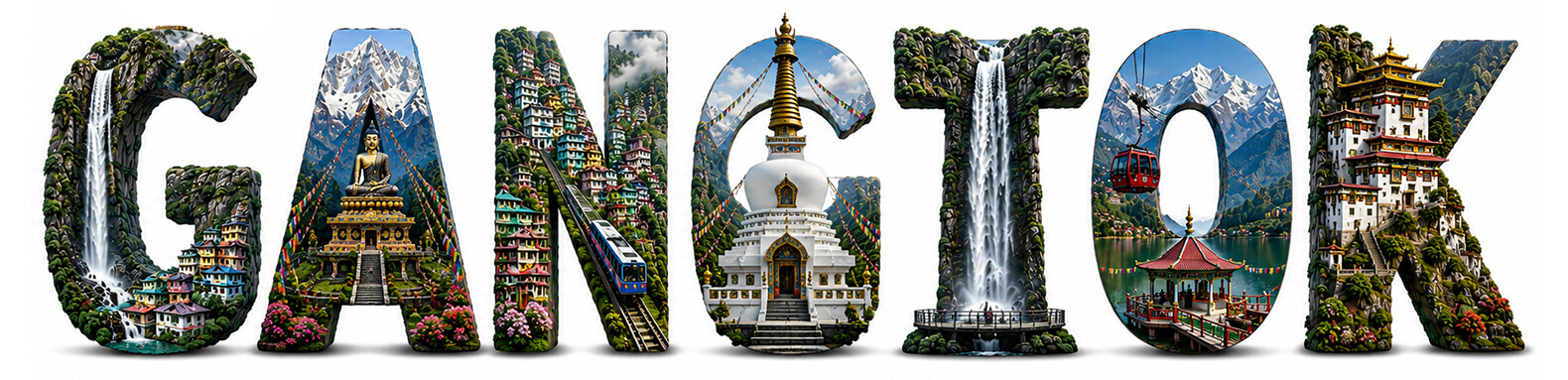
The tourist department in Gangtok grew significantly during the 1980s and 1990s, mainly due to its peaceful atmosphere and the city’s expanding infrastructure. Seeing the possibility of Gangtok being a tourist destination, Sikkim’s government invested in its accommodations and roads.
Most of Gangtok’s economy comes from farming and agriculture. Some of the major crops grown in the region include rice, wheat, maize, oranges, ginger, potatoes, and large cardamom. Tourism and hospitality are among the largest contributors to Gangtok’s economy. The city welcomes both Indian and international tourists, thereby boosting the city’s economy through hotels, souvenirs, and restaurants. Gangtok thrives on the creation of handicrafts, including those made from bamboo and wood. Baskets, furniture, wood-based items, hats, flower vases, and showpieces are just a few of the many items available in Gangtok’s markets that tourists can explore.
| Gangtok Tour Packages | Duration | Highlights |
| Amazing Gangtok Darjeeling Tour | 3 Nights 4 Days | Hanuman Tok, Enchey Monastery, Do Drul Chorten, Tiger Hill, Batasia Loop, Peace Pagoda |
| Best of Eastern Hill Tour | 4 Nights 5 Days | Rumtek Dharma Chakra Centre, Hanuman Tok, Ban Jhakri Falls, Enchey Monastery, Do Drul Chorten, Tiger Hill, Batasia Loop, Peace Pagoda |
| Discover Darjeeling and Gangtok Tour | 4 Nights 5 Days | Hanuman Tok, Ganesh Tok, Ban Jhakri Falls, Enchey Monastery, Do Drul Chorten, Delo Park, Mangal Dham Temple |
| Eastern Triangle Tour Package | 6 Nights 7 Days | Hanuman Tok, Ganesh Tok, Ban Jhakri Falls, Enchey Monastery, Do Drul Chorten, Delo Park, Mangal Dham Temple, Ghoom Monastery, Batasia Loop |
| Himalayan Golden Triangle Holiday Package | 6 Nights 7 Days | Ganesh Tok, Enchey Monastery, Do Drul Chorten, Delo Park, Mangal Dham Temple, Ghoom Monastery, Batasia Loop, Peace Pagoda |
| Himalayan Tranquility | 5 Nights 6 Days | Sikkim Himalayan Zoological Park, Tsomgo Lake, Do Drul Chorten, Ganesh Tok, Enchey Monastery, Delo Park, Kalimpong Science Centre, Mangal Dham Temple, Ghoom Monastery, Batasia Loop, Peace Pagoda |
| Honeymoon in the Himalayas | 4 Nights 5 Days | Ban Jhakri Falls, Tsomgo Lake, Do Drul Chorten, Ghoom Monastery, Batasia Loop |
| Jewels of North East Package | 4 Nights 5 Days | Hanuman Tok, Sikkim Himalayan Zoological Park, Ganesh Tok, Enchey Monastery, Dubdi Monastery, Kanchenjunga Falls, Khecheopalri Lake |
| Unspoiled Hills | 5 Nights 6 Days | Tsomgo Lake, Hanuman Tok, Sikkim Himalayan Zoological Park, Ganesh Tok, Ghoom Monastery, Batasia Loop |
| Category | Details |
| City | Gangtok |
| Currency | The Indian Rupee (INR) |
| High season | March to June |
| State Flower of Sikkim | Noble orchid |
| State Animal of Sikkim | Red panda |
| Languages | Official: Nepali, Bhutia, Lepcha, and English |
| Famous Tourist Attractions | Rumtek Monastery, Nathula Pass, Tsomgo Lake, MG Marg, Ganesh Tok, Himalayan Zoological Park, Do Drul Chorten |
| Things To Do | River rafting, cycling, paragliding, mountain biking |
| Famous Food | Momos, thukpa, chhurpi, sel roti |
| Quick Getaways From Gangtok | Darjeeling, Kalimpong, Lachen, Siliguri, Lava |
| Souvenirs To Buy | Tibetan carpets, Sikkim tea, thangkas, prayer flags, traditional jewellery |
Scrumptious cuisine: The cold air of Gangtok can be best enjoyed with the hot and delicious cuisine of the region. From succulent momos and eclectic bowls of thukpa to the sweetness of sel roti, the food of Gangtok will nourish both your soul and your stomach.
Vibrant markets: If you thought that Gangtok was only about sightseeing, then let us correct you. When you’re not busy admiring the panoramic views all around, make sure to explore the many vibrant markets in the city, selling everything from tea and spices to handicrafts and carpets. All of these make for perfect souvenirs and also home décor pieces.
Monasteries and temples: Places of spiritual and religious significance are present in plenty in Gangtok. There is Hanuman Tok, a temple dedicated to Lord Hanuman. It’s situated at an altitude of 7,200 feet and offers a mesmerising view of the Kanchenjunga. Visit the Phodong Monastery, which provides shelter to over 250 monks.
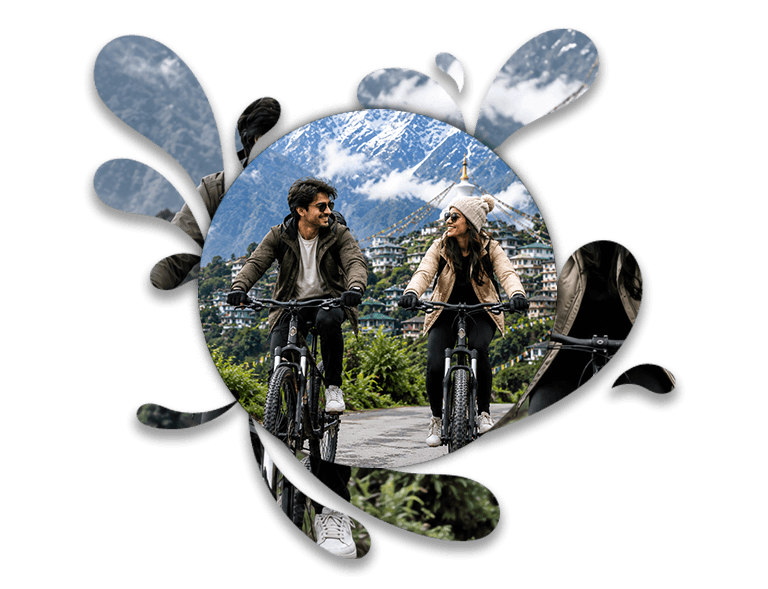
Adventurous activities: Have you ever wanted to trek in the mountains? Or perhaps go river rafting in crystal clear waters? Well, you can do all of that with our Gangtok tour packages. The city has several amazing trekking trails, and you can also go paragliding and get a bird’s eye view of Gangtok. Tourists can also try cycling, cable car rides, and mountain biking.
Gangtok has a subtropical mountain climate. The climate remains cold and humid, as the city experiences rainfall almost year-round. The proximity of Gangtok to the Bay of Bengal causes the region to experience heavy rain. March to June is usually the peak tourist season in Gangtok. Let’s take a look at what each season in the city is like so you can decide accordingly when to book our Gangtok tour packages:
During the summer season, the temperature in Gangtok ranges from 11°c to 25°c. The short spring season lasts from March to April, which is considered to be some of the best months to visit Gangtok. Breezy mornings give way to pleasant sunshine later in the day, along with clear skies. This is a good time to engage in adventure sports such as paragliding, mountain biking, trekking, and rock climbing. March is still slightly cold, which is why it’s better to carry some light layers when it gets slightly chilly during the evenings and nights. Remember to book our Gangtok tour packages in advance, as the flight tickets and accommodation prices could increase since March and April fall under the peak tourist season.
The temperature begins to rise from May, but the weather in Gangtok usually remains comfortably warm. If you’re visiting during the summer months, remember to pack a mix of light layers as well as comfortable summery clothes. Keep a raincoat as well.
The temperature during the monsoon season in Gangtok ranges from 17 °c to 22 °c. This season is characterised by incessant rainfall along with the risk of landslides. The mornings are misty and the visibility is little to none, thereby making this season not so favourable for tourists. Remember to carry rain gear and sportswear if you travel to Gangtok at this time. You could experience the festival of Dashain during this season.
Temperatures during the short-lived autumn season range from 6 °c to 18 °c. The days are warm, the weather is pleasant, and the city enjoys moderate temperatures at this time. These months see an increase in tourists, so make sure to book Travel Guru’ Gangtok tour packages beforehand. Autumn is a great time to engage in sightseeing and adventurous activities in Gangtok. Do carry light woollens, including jackets and thick pants. The Temi Tea Autumn Festival takes place during this time.
During the winter season, the temperature in Gangtok fluctuates between 4 °c and 7 °c. If you aren’t used to cold weather, then you might want to avoid visiting Gangtok at this time. However, the city does turn into a winter wonderland laden with frozen lakes and snow-covered mountains, offering tourists unforgettable views. Make sure to pack plenty of woollen clothes, including sweaters, thick pants, and warmers. The festivals you can enjoy during the winter with our Gangtok tour packages include the Gangtok Food and Culture Festival, Sikkim Red Panda Winter Carnival, and Christmas.
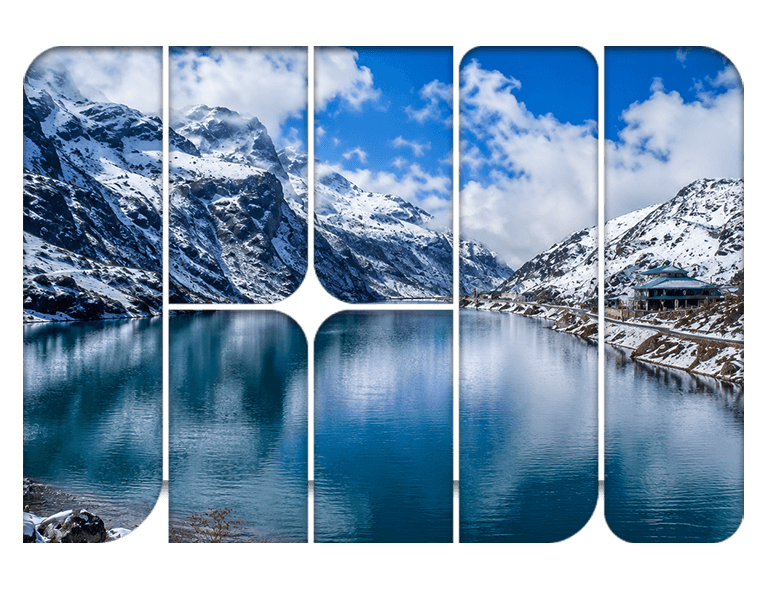
When you avail Travel Guru’ Gangtok tour packages, you get a chance to witness the numerous tourist attractions in Gangtok. Here are some of the best places to visit in Gangtok and the several adventurous activities you can participate in during your holiday:
Rumtek Monastery, which is also known as the Dharma Chakra Centre, is a replica of the Tsurphu Monastery in Tibet. Situated about 23 km from Gangtok, it is the seat of His Holiness, the Gyalwa Karmapa of the Kagyu sect of Tibetan Buddhism. As you drive to the monastery, you will be greeted with expansive paddy fields and quaint Sikkimese villages. The entrance is decorated with paintings and murals of the four deities, namely Virupaksha, Virudaka, Dritarashtra and Vaishravana, who are believed to be the guardians of the monastery.
Nathula Pass is a mountain pass located about 56 km from Gangtok in the northern region of Sikkim. Situated at a height of approximately 14,140 feet, it’s a vital landmark on the Indo-China border. Part of the historic Silk Route, the name of the mountain pass is derived from the words ‘nathu’, meaning ‘listening ears’, and ‘la’, meaning ‘pass’. Since it’s a politically sensitive area, Nathula Pass is open to visitors only five days a week, from Wednesday to Sunday.
Tsomgo Lake, which is also known as Tsongmo Lake or Changu Lake, is a glacial lake located about 40 km from Gangtok. It’s situated 12,313 feet above sea level and is highly revered by the locals. The colours of the lake change according to the seasons, and it becomes frozen during the winter season. As per legend, the lake was formed by the tears of deities who cried upon seeing the distress of the villagers.
MG Marg is the main shopping destination in Gangtok, lined on both sides with hotels, shops, and restaurants. It’s almost like a boulevard square or open mall, with the road and the surrounding space having been renovated over the years. The area is the first spit-free, litter-free, and smoke-free zone in the country. Most stores are open from 9 am to 8 pm, while most eateries stay open until 11 pm.
Ganesh Tok is a small temple dedicated to Lord Ganesha, located at an elevation of about 6,500 feet. In fact, it’s so small that only one person can fit within the temple at a given time. With this serene and spiritual ambience, it offers spellbinding panoramic views of the surrounding Himalayas. It’s the perfect viewpoint from which the Kanchenjunga is visible in all its glory, especially in the morning.
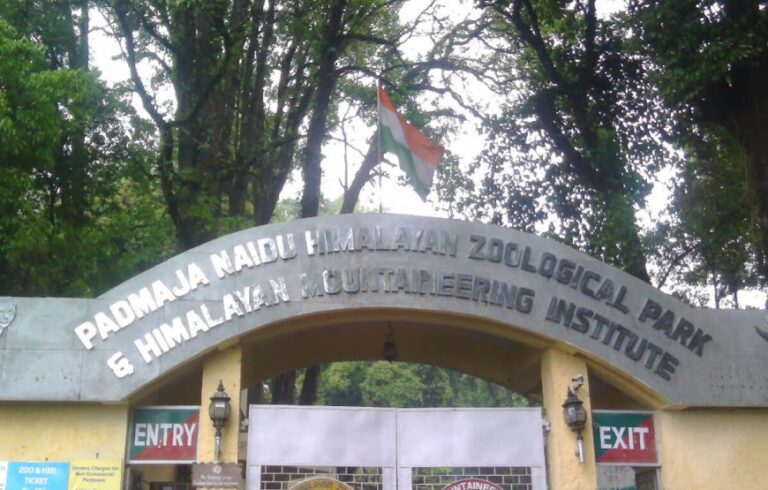
The Himalayan Zoological Park is located in Bulbuley, about 3 km from Gangtok. The park is situated at an altitude of 1,780 metres and sprawls over an area of 230 hectares. It was established in 1991 and is the first of its kind in the northeastern region of India. The park is home to a variety of endangered species, including the Himalayan wolf, the Tibetan wolf, the red panda, and the snow leopard.
Do Drul Chorten is an ancient Buddhist stupa built by Trulshik Rinpoche, a teacher of the 14th Dalai Lama, in 1946. The central dome of the stupa is decorated with sacred symbols and intricate carvings, all of which reflect the profound spiritual heritage of Tibetan Buddhism. The structure is surrounded by 108 prayer wheels, which have sacred mantras carved on them.
Among the many delightful things that Gangtok offers tourists, one of them is its vibrant shopping scene. Listed below are some of the best souvenirs to buy with your Gangtok tour packages and the best places to shop in the city:
The weaving techniques and designs of Tibet inspire the Tibetan carpets in Gangtok. Known for their high quality and intricate designs, these Tibetan carpets are usually made from wool. They feature designs and symbols such as mythical creatures and flowers, and are available in vibrant colours.
The Sikkim Tea found in Gangtok is grown at the Temi Tea Garden in South Sikkim. If you’re a tea fanatic, then you must try these teas, which are rich in aroma and flavour. These are hand-plucked and produced without the use of any machinery. You can choose from a variety of teas, such as black tea, white tea, oolong tea, and green tea.
The essence of Tibetan Buddhism is well reflected in thangkas, traditional Tibetan Buddhist paintings. These are typically made from silk or cotton and depict mandalas, deities, or scenes related to Buddhist scriptures, stories, and teachings.
Prayer flags are objects whose presence you will see in numerous corners of Gangtok, be it at stores, cafes, the entrance of a local’s home, and so on. These flags carry mantras and prayers, and are believed to bring harmony, peace, and positive energy.
When in Gangtok, you can find several exquisite pieces of jewellery made using turquoise, silver, semi-precious stones, and so much more. Be it elegant rings and earrings or intricately crafted bracelets and neckpieces, jewellery lovers are sure to be satisfied while shopping in Gangtok.
Must-see attractions: Tiger Hill, Batasia Loop, Darjeeling Ropeway, Padmaja Naidu Himalayan Zoological Park, Peace Pagoda
Must-see attractions: Deolo Hill, Mangal Dham Temple, Zang Dhok Palri Phodang, Pine View Nursery, Morgan House
Must-see attractions: Lachen Monastery, Gurudongmar Lake, Thangu Valley, Tso Lhamo Lake, Chopta Valley
Must-see attractions: ISKCON Temple, Salugara Monastery, Bengal Safari, Dudhia, Surya Sen Park
Must-see attractions: Lava Monastery, Rachela Pass, Tiffin Dara View Point, Nature Interpretation Centre, Changey Falls
Gangtok’s cuisine has its roots in the Himalayas. It’s a combination of Sikkimese, Nepalese, and Tibetan influences, thereby contributing to its diverse flavours. The city makes use of a lot of fermented vegetables, locally sourced ingredients, and bold spices, making the meals of Gangtok wholesome as well as deeply flavourful. Let’s take a look at the foods you absolutely must try during your trip with Travel Guru’ Gangtok tour packages:
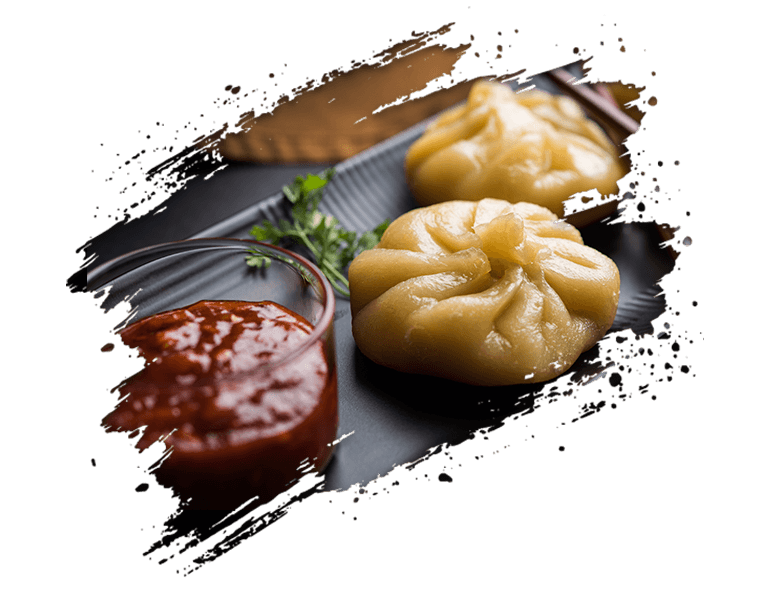
A trip to Gangtok is incomplete without trying out momos, which are among the most popular street foods in the city. These steamed dumplings are available at most street food stalls and restaurants across Gangtok. These momos contain a vegetable or meat filling (pork or chicken) and are served with a spicy sauce. Available in various sizes and shapes, Gangtok offers a range of momos to try, including chicken momos, fish momos, vegetable momos, and cheese momos.
Thukpa is a Tibetan noodle soup that epitomises comfort food in Gangtok. This bowl of wholesomeness is especially perfect for the cold winter evenings and nights. It is made using hand-pulled, wheat noodles served in a broth that includes locally grown vegetables and your choice of meat. The veg version of thukpas usually consists of tofu. The broth is flavoured with salt, pepper, turmeric, cumin, onions, garlic, and ginger.
Sel roti is a traditional Nepali snack that’s quite famous in Gangtok. This ring-shaped sweet bread is well-known for its distinct flavour and texture. The batter is made using rice flour, sugar, water, and cardamom. It has a crispy, golden-brown exterior, and the interior remains fluffy and soft. Traditionally consumed as an appetiser or snack, it’s particularly eaten during special occasions and festivals.
Sha phaleys are the Sikkimese version of empanadas. These crispy meat patties are filled with vegetables or minced meat. The deep-fried bread pockets are cooked until they turn golden brown, with a juicy and soft interior. Sha phaleys are flavoured with herbs and spices, and usually served with sauces or chutneys.
Chhurpi is a traditional, hard, dried cheese that is consumed as a snack and often added to dishes like noodles and momos. Chhurpi powder is also added as a condiment in soups. It’s made from yak’s milk and has a mildly tangy and fresh flavour.
Gangtok is home to various indigenous tribes, giving rise to the eclectic tribal art forms that have existed in the region for ages. The tribal art of Sikkim is closely tied to the region’s ancient traditions, religious roots, and cultural beliefs. One of the indigenous groups of Gangtok is the Lepchas, whose art usually has its roots in nature, folklore, and rituals. Thangkas, which are Lepcha wall paintings, are hung in homes as well as monasteries, showcasing mythological stories and Buddhist deities. There is the Bhutia community, which is a significant Tibetan-origin group in Gangtok, whose traditional art forms include woven textiles and intricate jewellery. You will notice Bhutia mask making being a part of the religious festivals and ceremonies in Gangtok. These masks represent various characters and deities from Tibetan Buddhist folklore and mythology.




We recommend setting aside at least four days for a trip to Gangtok.
The coldest month in Gangtok is usually January.
The name of the city, Gangtok, means ‘hilltop’.
Some of the best monasteries in Gangtok are Rumtek Monastery, Enchey Monastery, Ranka Monastery, Phodong Monastery, Gonjang Monastery, and Tsuk La Khang Monastery.
The distance between Gangtok and Darjeeling is about 100 km.
Mahatma Gandhi Marg, also known as MG Marg, is the most famous street in Gangtok.
Gangtok usually experiences snowfall from December to February.
The Teesta River is one of the main rivers in Gangtok.
Share your travel dates and preferences. Our experts will create a personalised holiday for you.
☎ +91 83675 01501
✉ travelguru@gmail.com